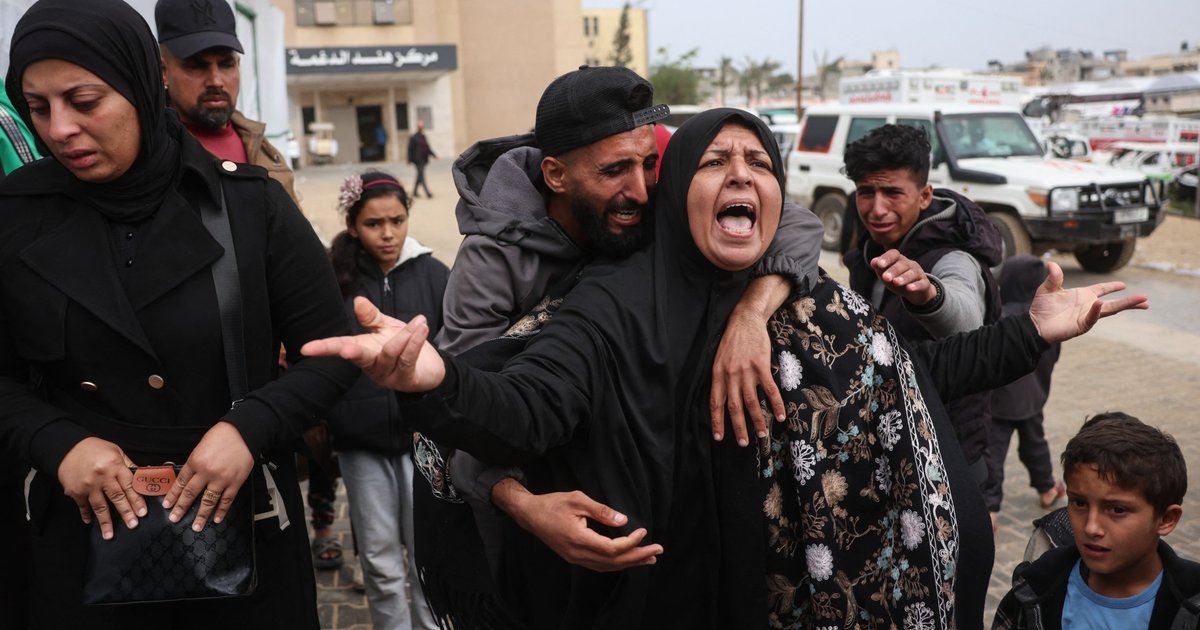
In a new escalation of military actions, Israeli forces launched airstrikes on police checkpoints in the Mawasi area of Khan Younis, resulting in the deaths of at least eight people, including a young girl and three police officers, according to the Palestinian Ministry of Health.
The attacks, which occurred on Sunday, March 29, 2026, targeted checkpoints established to protect displaced families in Gaza, as violations of the declared ceasefire continue. The airstrikes also injured four others, exacerbating the suffering of residents enduring the effects of the ongoing conflict.
Details of the Incident
These airstrikes come at a sensitive time, as fears of escalating violence in the region have increased. Reports indicate that Israeli forces also fired artillery in eastern areas of Gaza, including the Al-Bureij refugee camp, targeting open areas and the outskirts of residential neighborhoods. This escalation occurs amid the worsening humanitarian situation in Gaza, where residents live under significant pressure due to the ongoing conflict.
Additionally, reports have indicated the presence of Israeli naval fire threatening fishermen and displaced individuals off the coast of Khan Younis, further increasing anxiety among residents who rely on fishing as a primary source of livelihood.
Background & Context
Since the onset of the conflict in October 2023, Gaza has witnessed an unprecedented escalation in military actions, with over 72,000 people killed and more than 18,100 others injured, according to official data. This conflict has exacerbated the humanitarian situation, with residents suffering from severe shortages of food, water, and healthcare.
Checkpoints in Gaza were established as part of efforts to protect displaced families, but recent attacks indicate that these efforts have not been sufficient to safeguard civilians. The continued assaults on these checkpoints reflect an escalation in the direct targeting of civilians, complicating the humanitarian situation in the region.
Impact & Consequences
These events raise questions about the future of the ceasefire in the region, as the military escalation appears to threaten any efforts to reach a lasting peace agreement. The continuation of violence may worsen the humanitarian situation and increase the suffering of civilians living in harsh conditions.
Moreover, these events could impact relations between Israel and Arab countries, as pressures mount on Arab governments to intervene or take a stronger stance against Israeli escalation. Such pressures could exacerbate tensions in the region, increasing the likelihood of further conflicts.
Regional Significance
The recent events in Gaza are part of a larger picture of the Arab-Israeli conflict, with the Palestinian issue remaining a central focus of politics in the region. The ongoing violence in Gaza may affect regional stability and increase polarization among Arab states.
At the same time, the Palestinian issue remains a core concern in the Arab world, where citizens expect their governments to take strong positions against Israeli violations. The escalation of violence may lead to increased public support for the Palestinian cause, which could be reflected in future political movements.
In conclusion, the situation in Gaza remains complex and challenging, as residents face significant hardships amid the ongoing conflict. The need for peaceful and lasting solutions is becoming increasingly urgent, as humanitarian and political pressures mount.