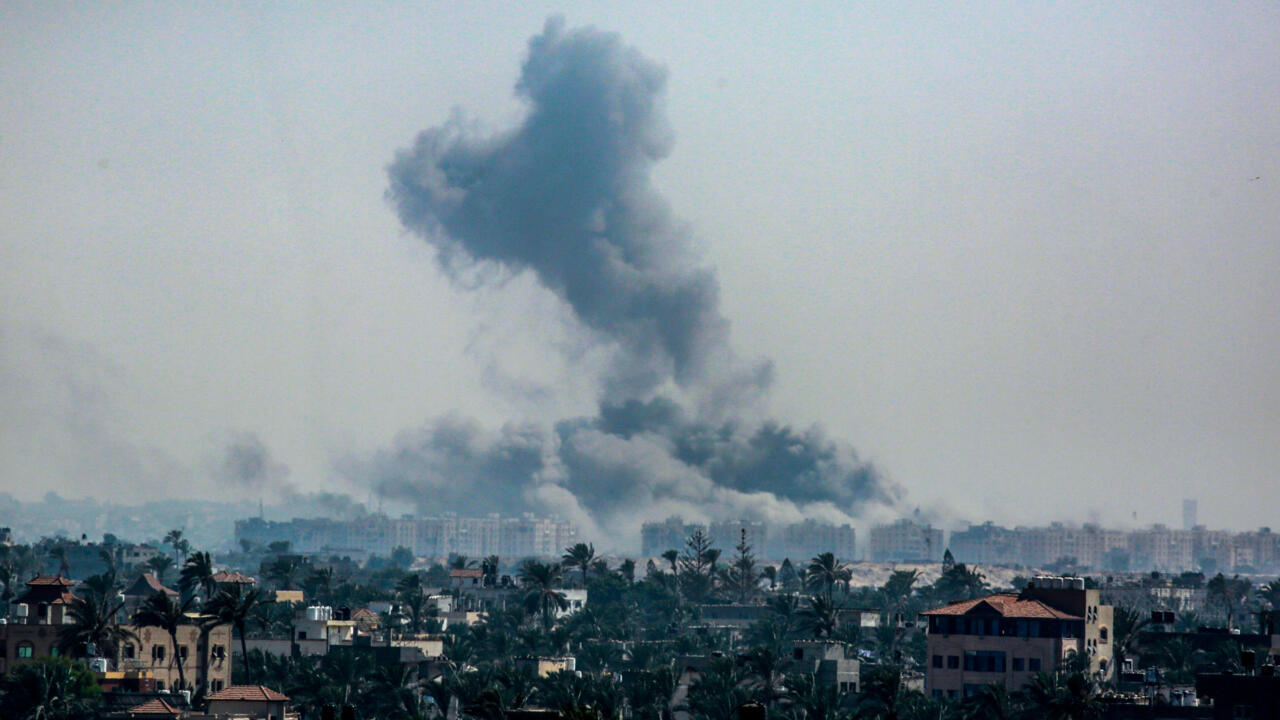
Reports suggest that the Israeli war on Lebanon has evolved from a local conflict to a reflection of the war in Gaza, with civilian infrastructure being bombed and widespread displacement occurring, alongside attacks on medical facilities. The situation in Lebanon warns of a return to the patterns of warfare seen in Gaza, opening the door to a new cycle of violence.
According to British reports, what is happening in southern Lebanon not only reflects Israel's attempt to weaken Hezbollah but also indicates a transfer of destructive warfare patterns to the Lebanese arena, threatening civilian lives and increasing violations of international law in the name of security.
Details of the Event
The British newspaper The Guardian opened the discussion on this war, noting that the global focus on the Iranian conflict has obscured important aspects of the scene, including the Israeli war on Lebanon, which has resulted in the deaths of around 1,100 people and the displacement of one-fifth of the population, according to the Lebanese Ministry of Health. Israeli Defense Minister Israel Katz also mentioned the establishment of a buffer zone extending to the Litani River, raising fears of a new occupation.
The newspaper observed that Israeli rhetoric has shifted from deterrence logic to control, citing calls from Finance Minister Bezalel Smotrich for annexation and Katz's statements about destroying border homes, reflecting the intentions of occupation.
Background & Context
Historically, Lebanon experienced an Israeli occupation from 1982 to 2000, leading to the emergence of Hezbollah as a resistance force. Today, it seems that Israel is exploiting regional conditions, including the decline of Syrian and Iranian support for Hezbollah, to seek its elimination. However, the newspaper warns that the logic of occupation may lead to counterproductive outcomes, potentially reproducing what Israel seeks to eradicate.
Reports also indicate Israel's use of white phosphorus in southern Lebanon, where researchers from Human Rights Watch documented the use of this substance in residential areas, raising concerns about its long-term effects on the environment and public health.
Impact & Consequences
Concerns are growing that the war in Lebanon may exacerbate humanitarian conditions, as ambulances and medical facilities have been repeatedly targeted. Reports from The Times indicate that 42 paramedics have been killed since the onset of the bombardment, reflecting Israel's disregard for international laws prohibiting the targeting of relief teams.
Instances of what is known as a "double tap" have also been documented, where relief teams are targeted after arriving at the site of the first strike, complicating relief efforts and endangering civilian lives.
Regional Significance
The repercussions of this war extend beyond Lebanon, raising fears of escalating conflict throughout the region. The continuation of bombardment and displacement could lead to the dismantling of communities and increased divisions, threatening regional stability. Additionally, Western indifference to Israeli violations may encourage the continuation of these policies in the future.
In conclusion, the war in Lebanon is not merely a local conflict but part of a broader struggle that transcends borders, necessitating urgent international attention to protect civilians and ensure respect for human rights.