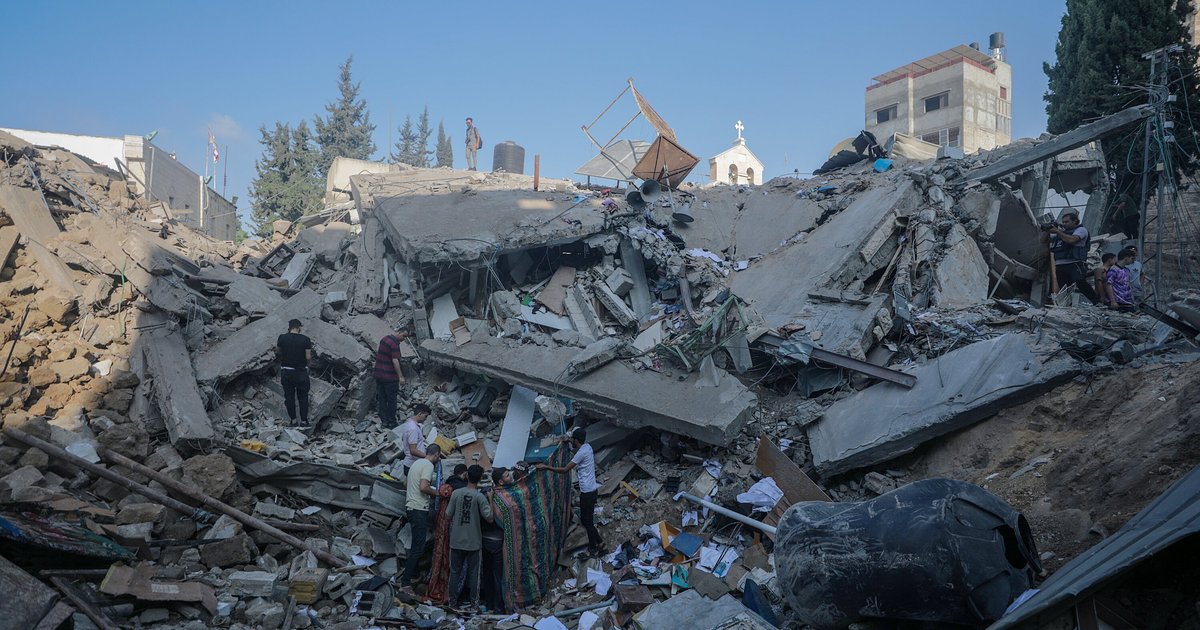
Israeli warplanes directly targeted a building in the industrial zone of Safed, northern Israel, raising concerns about escalating military tensions in the region. This attack comes at a sensitive time, as tensions between Israel and Palestinian factions are on the rise, increasing the likelihood of new confrontations.
Initial reports indicate that the attack resulted in significant material damage, with no news of casualties reported so far. This strike is part of a series of military operations conducted by Israel recently, targeting sites believed to be used for military purposes.
Details of the Attack
According to local sources, the building was targeted late at night when the area was devoid of commercial activity. Images circulated on social media showed severe damage to the targeted building, reflecting the force of the attack.
This strike reflects an increasing Israeli strategy of targeting infrastructure deemed a threat to its security amid rising tensions in the region. Intensive military movements have been observed in recent days, raising questions about Israel's future intentions.
Background & Context
Historically, northern Israel has experienced recurrent tensions, particularly with Palestinian factions in Gaza. The recent escalation comes at a time when the region is suffering from multiple crises, including deteriorating economic and social conditions.
In recent years, Israel has increasingly used military force against what it considers security threats, exacerbating humanitarian conditions in affected areas. This military escalation also reflects an Israeli policy aimed at deterring any attempts to destabilize its security.
Impact & Consequences
The attack on Safed could lead to greater escalation in the Israeli-Palestinian conflict, as Palestinian factions are expected to respond to this strike. The military escalation may worsen humanitarian conditions in Gaza, where residents are suffering from a suffocating blockade and multiple crises.
Moreover, this attack could affect Israel's relations with neighboring countries, especially amid increasing international pressure to end the conflict. This escalation is likely to lead to renewed calls for calm, but history shows that such calls are often met with disregard.
Regional Significance
This attack comes at a sensitive time for the Arab region, where fears of escalating violence in the occupied territories are growing. Many Arab countries are closely monitoring the situation, as the escalation could impact the stability of the entire region.
Given the political and economic crises facing many Arab countries, military escalation may exacerbate conditions, necessitating an urgent response from the international community. It is crucial that efforts are combined to find a peaceful resolution to the conflict before conditions deteriorate further.
The targeting of the building in Safed reflects a serious escalation in the Israeli-Palestinian conflict, calling for international attention and urgent steps to avoid further escalation.