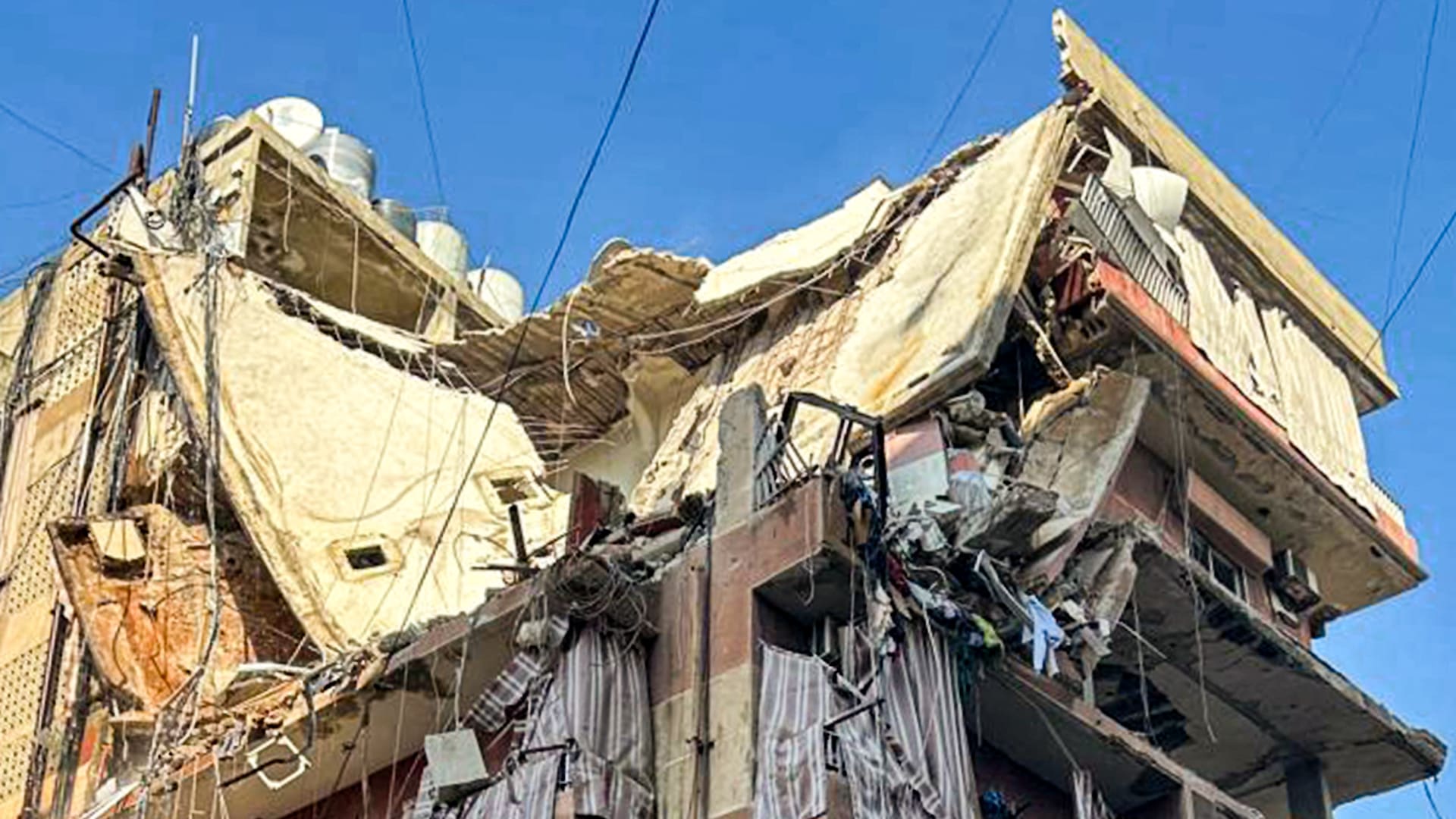
The Israeli army announced today the start of a series of airstrikes targeting what it called the 'terrorist infrastructure of Hezbollah' in the Lebanese capital, Beirut. These strikes come at a sensitive time as tensions rise between Israel and Hezbollah, raising fears of a military escalation that could impact regional stability.
The Israeli airstrikes target locations believed to be used by Hezbollah for its military operations, with the Israeli army describing these sites as a threat to Israeli national security. A military spokesperson indicated that these operations are part of Israel's ongoing efforts to counter any potential threats from Hezbollah, which the Israeli occupation considers a terrorist organization.
Details of the Incident
The airstrikes began in the early morning hours, targeting several sites in the southern suburbs of Beirut, areas known for Hezbollah's activities. Local sources reported significant material damage from the strikes, but no casualties have been reported so far. These operations follow a series of escalating tensions between the two sides, including cross-border gunfire.
As Israel continues its military operations, this escalation reflects a state of instability in Lebanon, which is already suffering from severe economic and political crises. Hezbollah is considered a key player in the Lebanese political arena, complicating the situation further.
Background & Context
Historically, relations between Israel and Hezbollah have seen increasing tensions since the beginning of the millennium, especially after the 2006 war, which left deep scars on both sides. Hezbollah, established in the 1980s with Iranian support, sees itself as a resistance movement against Israeli occupation, while Israel describes it as a direct threat to its security.
In recent years, Hezbollah's military activities have increased, including its involvement in the Syrian conflict, heightening Israeli concerns. Additionally, Iranian support for Hezbollah enhances its military capabilities, making it difficult for Israel to ignore potential threats.
Impact & Consequences
These airstrikes could lead to a greater escalation in the conflict between Israel and Hezbollah, potentially dragging the region into a wider conflict. Should military operations continue, it could provoke a response from Hezbollah, which may feel compelled to retaliate against Israeli aggression.
Moreover, military escalation could impact the internal situation in Lebanon, where the Lebanese people are already suffering from severe economic crises. Any military escalation could exacerbate the humanitarian situation in the country, increasing the suffering of citizens.
Regional Significance
These airstrikes are part of a broader regional conflict between Iran and its allies on one side, and Israel and its allies on the other. Any escalation in this context could affect stability in neighboring countries such as Syria and Palestine, where military and political interests intersect.
The situation in Lebanon could also affect relations between Arab countries, potentially requiring international intervention to calm the situation. The ongoing tensions between Israel and Hezbollah could negatively impact peace efforts in the region and increase instability.
In conclusion, the Israeli airstrikes on Beirut represent a serious escalation in the conflict between Israel and Hezbollah, raising concerns about negative repercussions for regional security. The international community must act swiftly to prevent worsening conditions in the region.