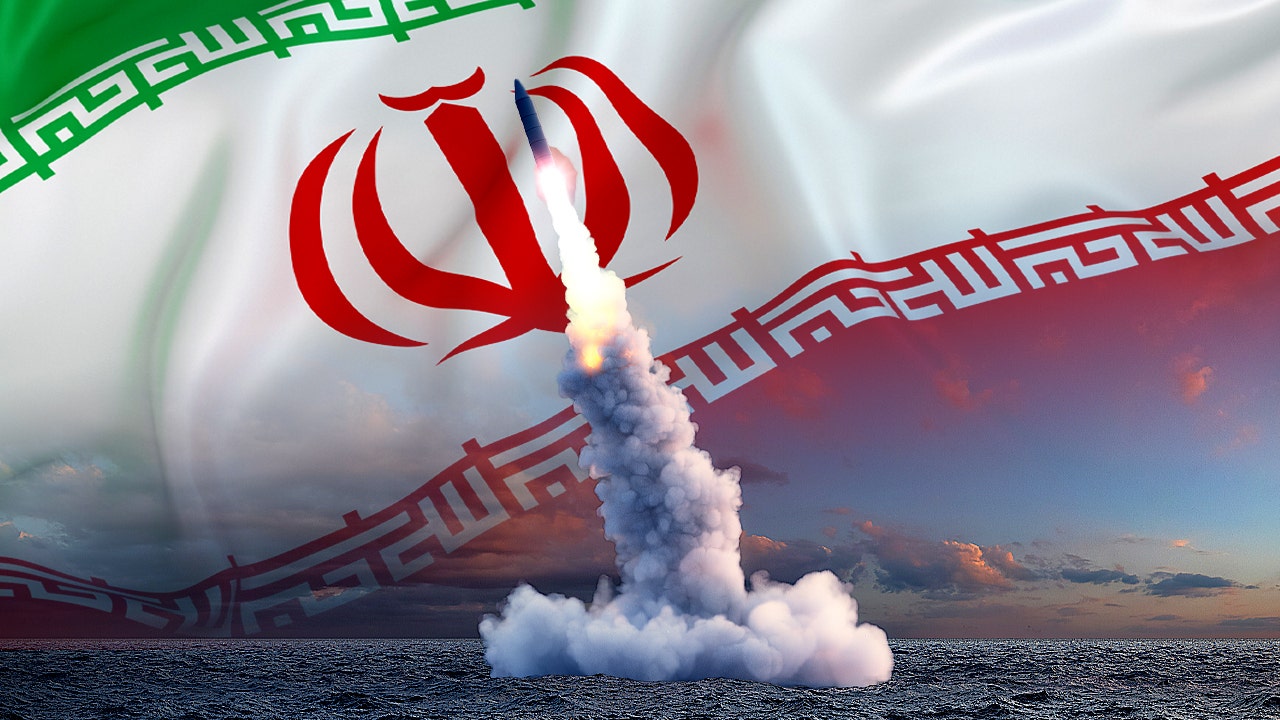
The Israeli army announced on Saturday that it conducted airstrikes on an industrial complex in Iran, which is considered a major center for the production of naval weapons. This attack also targeted other sites involved in manufacturing air defense systems, reflecting an escalation in Israeli military operations against Iranian facilities.
These strikes come at a sensitive time, as tensions between Israel and Iran have increased in recent years, particularly amid ongoing Iranian threats against Israeli interests in the region. The Israeli army indicated that these operations aim to undermine Iran's ability to develop advanced weapons that could be used against Israel.
Details of the Incident
According to data released by the Israeli army, the airstrikes targeted a complex located in an industrial area in Iran, overseeing the production of naval weapons used in military operations. Additional sites involved in air defense system manufacturing were also targeted, demonstrating a comprehensive Israeli strategy aimed at undermining Iranian military infrastructure.
These strikes are part of a long-standing Israeli policy aimed at preventing Iran from enhancing its military capabilities, especially given the increasing threats from Tehran. Military sources confirmed that these airstrikes are part of Israel's efforts to prevent any developments in the Iranian nuclear program, which is considered a threat to Israeli national security.
Background & Context
Historically, relations between Israel and Iran have seen escalating tensions since the Iranian Revolution in 1979. These tensions have taken various forms, ranging from hostile statements to direct military operations. In recent years, Iran has increased its support for armed groups in the region, prompting Israel to take preventive measures against these activities.
The Iranian nuclear program is also a major point of contention, as Israel fears that Iran's development of nuclear weapons could alter the balance of power in the region. Israel has repeatedly attempted to warn the international community about the potential dangers posed by the Iranian nuclear program, leading to international sanctions on Tehran.
Impact & Consequences
These Israeli airstrikes are considered a provocative step that may lead to retaliatory actions from Iran, which could seek revenge by targeting Israeli interests or its allies in the region. Furthermore, these events could escalate tensions in the Middle East, complicating peace and stability efforts.
Moreover, military escalation could affect global markets, particularly in the energy sector, as any tension in the region may lead to rising oil prices. The deteriorating security situation could also impact foreign investments in the region, increasing economic pressures on the involved countries.
Regional Significance
The recent developments between Israel and Iran have significant implications for Arab countries, as any military escalation could lead to indirect repercussions on security and stability in neighboring states. These events highlight the need for enhanced Arab cooperation to address common threats.
Amid these tensions, Arab countries may find themselves compelled to reevaluate their security and military strategies, especially given the increasing challenges posed by Iran. Additionally, these events may affect relations between Arab states and Iran, complicating dialogue and cooperation efforts in the region.
The military escalation between Israel and Iran is a sign of ongoing tensions in the Middle East, indicating the necessity for diplomatic solutions to avoid further escalation and violence.