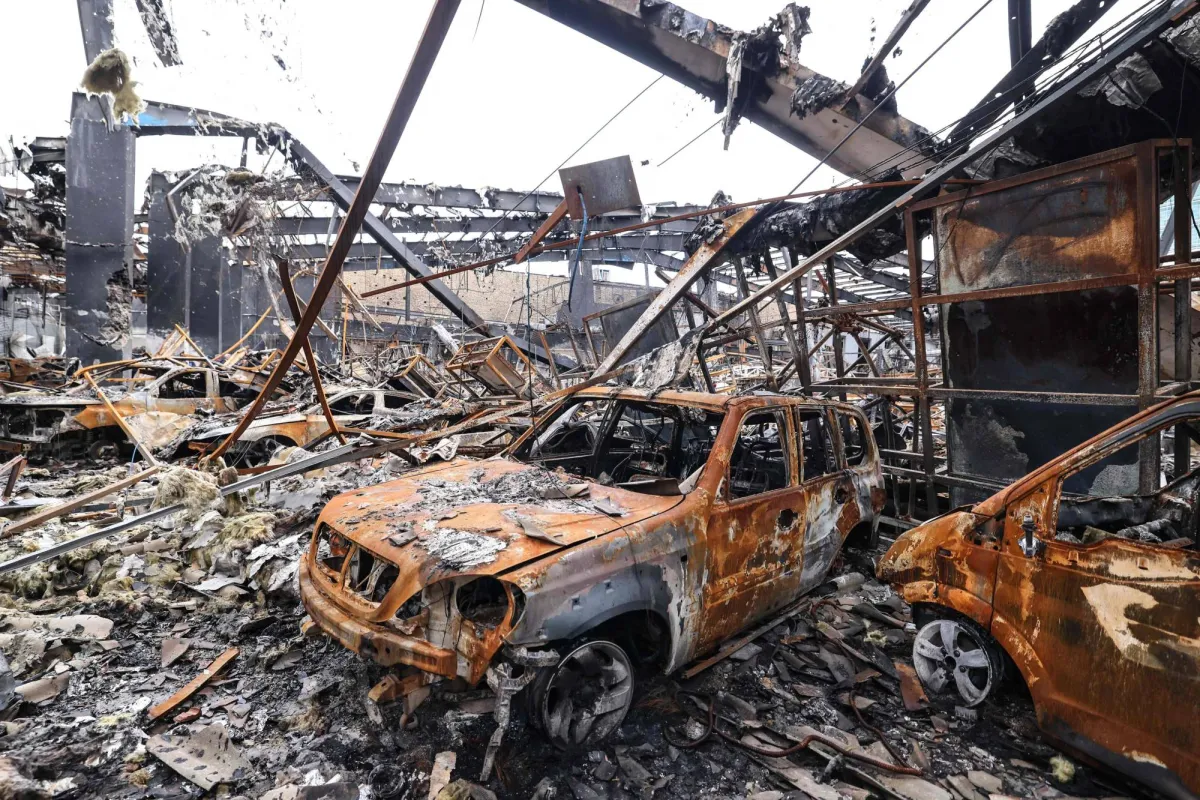
The Israeli military announced on Monday that it had conducted airstrikes targeting 'Imam Hussein University', managed by the Iranian Revolutionary Guard, which is alleged to have been a center for research and development of advanced weapons. The military confirmed that this operation is part of its strategy to target Iranian military infrastructure.
In an official statement, the Israeli army clarified that the airstrikes targeted vital sites within the university campus, noting that the Revolutionary Guard used the university as a civilian cover for research and development activities in weaponry. The statement indicated that the strikes resulted in the destruction of facilities such as 'wind tunnels' and specialized centers in chemistry and technology.
Details of the Operation
During the operation, Israeli forces targeted around 40 facilities in Tehran, including long-range 'surface-to-air' missile production lines. The military reported that the targets also included facilities for assembling components for anti-tank missiles and small anti-aircraft missiles, reflecting a clear Israeli strategy to limit Iran's military capabilities.
The army also noted that these airstrikes come after previous threats from Israeli officials, who emphasized the necessity of countering the increasing Iranian threats. These strikes coincided with statements from former U.S. President Donald Trump, who threatened to destroy vital facilities in Iran if an agreement was not reached.
Background & Context
'Imam Hussein University' is considered one of the main military academic institutions in Iran, having been visited by many prominent Iranian officials in the past, including the late Supreme Leader Ali Khamenei. These airstrikes may represent an escalation in the conflict between Israel and Iran, especially amid increasing tensions in the region.
These events come at a sensitive time, as the region is witnessing a rise in military actions and mutual threats between Iran and Israel, heightening tensions in the Middle East. The recent war in Gaza has led to increased Israeli military spending, with the parliament approving a massive budget for 2026 that includes a significant increase in the defense budget.
Impact & Consequences
Analyses suggest that these airstrikes could lead to further escalation of tensions between Iran and Israel, which may negatively impact regional security. Targeting Iranian military facilities could provoke reactions from Tehran, which may seek to respond to these strikes in various ways, either through military escalation or other means.
Moreover, these events could affect international relations, particularly amid existing tensions between the United States and Iran. These airstrikes may lead to a reassessment of military strategies by the concerned parties, including Israel's regional allies.
Regional Significance
These airstrikes are part of a broader strategy aimed at countering Iranian influence in the region, which could impact neighboring Arab countries. Amid rising Iranian threats, Arab nations may find themselves compelled to reassess their security and military policies.
Additionally, the escalating tensions between Iran and Israel could lead to increased polarization in the region, potentially affecting peace and stability efforts. In this context, Arab countries must be prepared to face the growing security challenges.
In conclusion, the Israeli airstrikes on 'Imam Hussein University' represent a turning point in the conflict between Iran and Israel, highlighting the increasing tensions in the region and reflecting the security challenges faced by Arab nations under these changing circumstances.