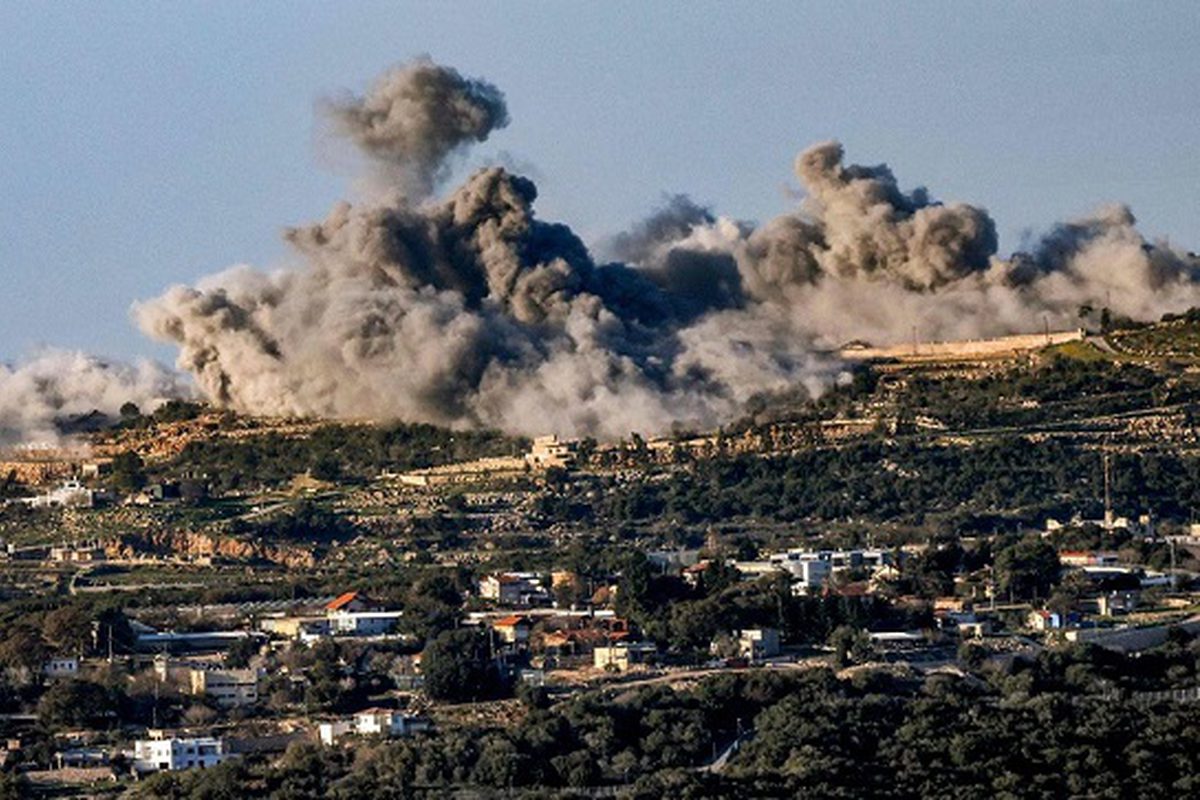
Israeli warplanes targeted the main Qasmiye Bridge located in southern Lebanon on Sunday, heightening the tensions in the area. These attacks come after statements by Israeli Defense Minister Yoav Galant, who vowed to destroy bridges crossing the Litani River as part of a broader strategy to address security threats.
The airstrikes directly hit the strategic bridge, causing partial destruction and impacting traffic in the region. The Qasmiye Bridge is a critical piece of infrastructure connecting various southern areas and serves as a key transport route between Lebanon and the coast.
Israel did not stop at this attack but sought to send a clear message to all actors in the region that it would take strict measures against anything it considers a threat to its national security. These actions are part of a military and political escalation that the country has been experiencing for several months, amid rising armed conflicts and skirmishes between Lebanese factions.
Historically, the region has witnessed repeated conflicts due to border disputes and political disagreements between Lebanon and Israel. In 2006, a major war resulted in widespread destruction of Lebanese infrastructure, and since then, Israel has continued to carry out military strikes against targets it views as threats.
These developments coincide with increasing regional tensions, particularly with the Israeli-Palestinian conflict on one hand and the escalating situation in Syria on the other, which have rapidly affected the security situation in Lebanon. In this context, each party seeks to achieve military or political gains, which must be closely observed.
The recent escalation could negatively impact efforts to establish a political dialogue in Lebanon, as Lebanese parties may declare their stance regarding this new violation of sovereignty. Reaching a political solution may also require international interventions, while the concern for the safety of civilians and properties in the region remains constant.
In conclusion, these Israeli airstrikes represent one of the recurring scenarios in the ongoing conflict, with civilians being the primary victims. Therefore, the fragile security balance in the region calls for greater attention from the international community, which must take concrete steps to mitigate the intensifying conflicts.