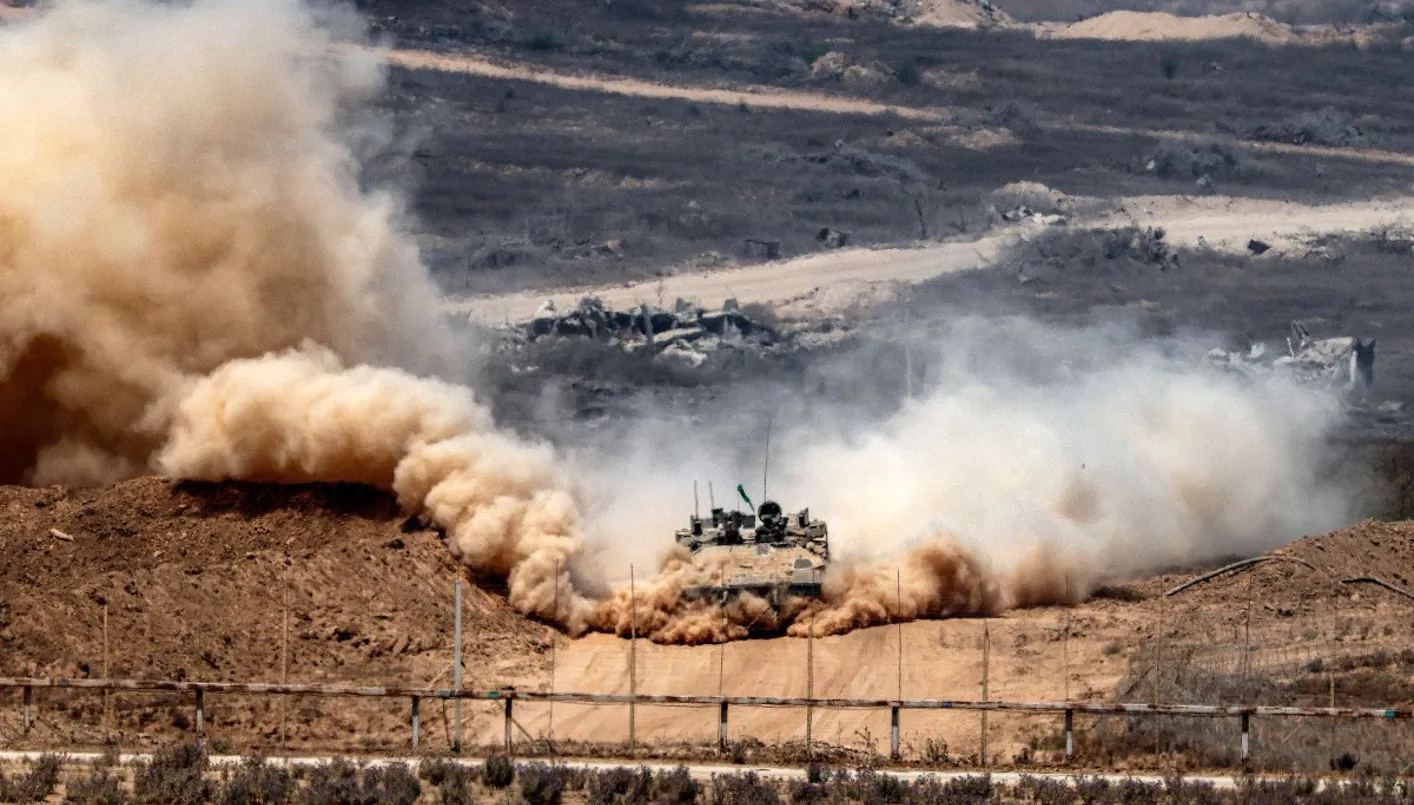
Israeli Army Chief Eyal Zamir has warned government ministers that the military faces a risk of collapse due to a severe shortage of personnel and multiple fronts of combat. This warning comes at a time when pressures on the Israeli armed forces are increasing, raising concerns about their readiness to face growing security challenges.
Reports indicate that the Israeli army is suffering from a significant shortage of soldiers, which directly impacts its ability to conduct military operations efficiently. Additionally, the multiple fronts, whether in Gaza, Lebanon, or even in the West Bank, complicate the situation further and place additional pressures on the forces.
Details of the Warning
During a meeting with government ministers, Zamir issued a clear warning regarding the current state of the army, indicating that the shortage of personnel could lead to serious repercussions for national security. He emphasized that the army urgently needs reinforcements to ensure its readiness to confront any potential threats.
This warning comes amid escalating tensions in the region, where armed groups in Gaza and Lebanon continue their threats against Israel. Additionally, tensions with Iran remain high, increasing the need for a military force that is ready and capable of rapid response.
Background & Context
Historically, the Israeli army has faced similar challenges, suffering from recruitment and human resource shortages during times of crisis. However, the current situation appears more complex, with multiple fronts and increasing threats, necessitating a swift and effective response.
Since 2014, Israel has experienced several rounds of military escalation with Hamas, alongside rising tensions with Hezbollah in Lebanon. These events could have far-reaching impacts on stability in the region, making it essential to bolster the armed forces.
Impact & Consequences
If the situation continues as it is, it could lead to the erosion of Israeli military capability, potentially opening the door to greater escalation in conflicts. Furthermore, the shortage of personnel could affect the morale of the troops, increasing the likelihood of errors in military operations.
Politically, this warning may exert pressure on the Israeli government to take urgent action to reinforce the army, whether through increased recruitment or improving military service conditions. It may also require a reassessment of current military strategies.
Regional Significance
These developments are particularly significant for neighboring Arab countries, as any weakness in the Israeli army could impact the balance of power in the region. Some armed groups in Gaza and Lebanon may feel that the time is right to increase pressure on Israel, potentially leading to a new military escalation.
At the same time, Arab nations may closely monitor the situation, as any escalation could affect the stability of the entire region. The increasing tensions could prompt some countries to reevaluate their security and military strategies.
In conclusion, Eyal Zamir's warning serves as a call to reflect on the Israeli military situation, indicating the need for urgent steps to ensure the army's readiness to face future challenges. The current situation demands a swift and effective response to ensure security and stability in the region.