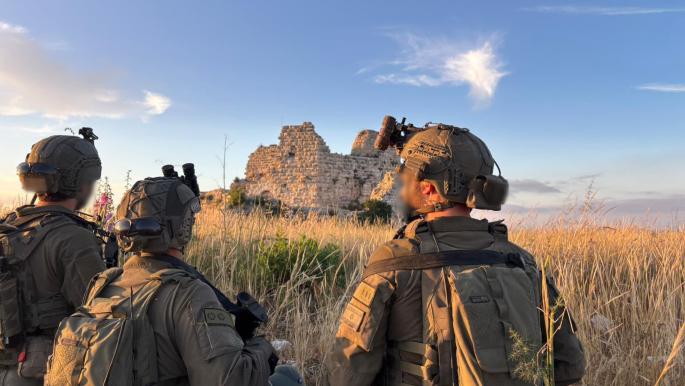
A week has passed since the Israeli army occupied the historic Shakif Castle in southern Lebanon, and an Israeli military spokesperson stated that their forces are "working to destroy central ground infrastructure." This statement reflects a notable escalation in Israeli military activities in the area, raising concerns among local residents and international observers.
Shakif Castle, considered one of Lebanon's most prominent historical landmarks, has suffered significant damage due to military operations. It is noteworthy that the castle is located in a strategic area and has been the site of numerous historical events throughout the ages.
Details of the Incident
The Israeli army has conducted intensive military operations in the area surrounding Shakif Castle, with reports indicating that these operations target what are known as "shelters" allegedly used by resistance elements. The Israeli military spokesperson indicated that these steps are part of their efforts to enhance security in border areas.
These Israeli statements come at a sensitive time, as the region is experiencing increasing tensions between Israel and Hezbollah, heightening fears of a larger escalation that could impact stability in Lebanon.
Background & Context
The history of Shakif Castle dates back to the Middle Ages when it served as a defensive fortress. The castle has witnessed many battles and conflicts, making it a symbol of resilience against various occupations. In recent years, the castle has become an important tourist destination, with thousands of tourists visiting annually to explore its rich history.
The Israeli occupation of the castle occurs within a complex historical context, as the region has seen numerous conflicts and armed disputes. Since 2000, when Israeli forces withdrew from southern Lebanon, the castle has been a symbol of freedom and resistance, further emphasizing the significance of current events.
Impact & Consequences
The destruction of infrastructure at Shakif Castle may have negative repercussions on tourism in Lebanon, as the castle is one of the prominent tourist attractions. Additionally, the continued military escalation could affect relations between Lebanon and Israel, complicating the security situation in the region.
Observers believe that these events could lead to a larger escalation in the conflict, as any military movements by Israel could provoke reactions from Hezbollah or other groups in the area, increasing the likelihood of a new conflict erupting.
Regional Significance
The events at Shakif Castle are not merely a local issue but reflect broader tensions in the region. Many Arab countries are closely monitoring the developments, as any escalation could impact security and stability in neighboring countries.
The castle, which carries a long history of resilience, may become a new symbol of conflict in the region, highlighting the urgent need for peaceful conflict resolution. The continuation of military operations in Lebanon could negatively affect relations between Arab countries and Israel, complicating the political landscape in the region.
In conclusion, attention remains focused on the developments at Shakif Castle, as events there could mark a turning point in Israeli-Lebanese relations and affect regional security overall.