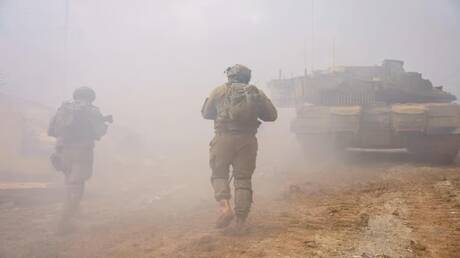
The Israeli army has announced that the 401st Brigade managed to destroy five anti-tank missiles belonging to Hezbollah in southern Lebanon, which were ready to be launched towards Israeli territory. This operation comes at a sensitive time when the region is experiencing increasing tensions, as the Israeli army seeks to bolster the security of its northern borders.
This step is part of a broader Israeli strategy to counter potential threats from Hezbollah, which is considered one of Israel's most prominent traditional enemies. Reports have confirmed that the destroyed missiles posed a direct threat to Israeli forces, reflecting the ongoing security challenges faced by the Jewish state due to Hezbollah's presence on its northern borders.
Details of the Operation
According to official data, the operation was conducted using advanced technologies and precise intelligence operations, where the missile sites were identified before they could be launched. This operation is part of a series of military actions carried out by the Israeli army against Hezbollah-related targets, aimed at undermining its military capabilities.
It is noteworthy that Hezbollah has enhanced its military capabilities in recent years, acquiring advanced technology from countries like Iran, which complicates the security situation in the region. The Israeli army has indicated that this operation is just one part of broader efforts to confront the increasing threats from armed organizations in the area.
Background & Context
Historically, the Lebanese-Israeli border has witnessed ongoing tensions, especially since the 2006 war, which resulted in significant changes in the security landscape. Hezbollah, considered a military and political force in Lebanon, continues to bolster its military capabilities, making it a formidable adversary for Israel.
In recent years, tensions between the two sides have intensified, with Israel conducting several airstrikes on sites in Lebanon, while Hezbollah has responded by launching rockets into Israeli territory. This ongoing escalation reflects the instability in the region and increases the risks of a comprehensive military conflict.
Impact & Consequences
This Israeli military operation is a significant step in the ongoing conflict with Hezbollah and may lead to further escalation of tensions between the two sides. If military operations continue, they could provoke reactions from Hezbollah, increasing the likelihood of widespread military confrontations.
Moreover, these events could impact the security situation in Lebanon, potentially increasing pressure on the Lebanese government, which is already facing significant economic and political challenges. The military escalation may also affect relations between Lebanon and neighboring countries, including Syria.
Regional Significance
The repercussions of these events extend beyond the Lebanese borders, as any military escalation between Israel and Hezbollah could affect the stability of the entire region. Neighboring Arab countries, such as Syria and Jordan, are closely monitoring the situation, as any escalation could lead to a flow of refugees and increased regional tensions.
Additionally, these events may impact peace efforts in the region, as the ongoing conflict between Israel and Hezbollah could hinder any attempts to reach lasting solutions to the Israeli-Palestinian conflict, further complicating the regional landscape.
In light of these developments, the situation in the region remains tense, as various parties continue to bolster their military capabilities. Recent events indicate that the conflict between Israel and Hezbollah may enter a new phase of escalation, necessitating close monitoring by the international community.