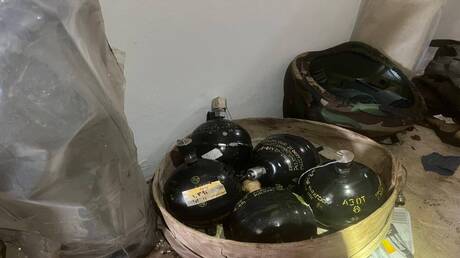
On Monday, the Israeli army confirmed that it had discovered sites containing anti-tank missiles in southern Lebanon, an area that has seen increasing tensions recently. This discovery comes at a sensitive time as fears of a potential escalation of the conflict between the involved parties grow.
In an official statement, Israeli forces revealed that they pinpointed these weapon locations during inspections in the border region, reflecting the rising role of security agencies in countering potential threats. Published images of these weapons demonstrated their capability to inflict significant damage if used against Israeli targets.
Details of the Discovery
Available information indicates that the Israeli army is striving to confirm its high readiness by exposing these threats, especially during a time of heightened tensions between Lebanon and Israel. While details remain limited, this discovery may provoke military responses from the Israeli side.
The situation underscores the importance of Israeli military preparations given the region's history of armed conflicts, where the roots of current tensions trace back to the prolonged and renewed dispute between Hezbollah and Israel.
Background & Context
Border tensions between Lebanon and Israel are not new; recent years have witnessed several incidents of violence and sporadic clashes. The conflict between Israel and Hezbollah, which controls a large part of Lebanon, dates back to 2006, when the infamous war erupted, claiming hundreds of lives.
In recent years, reports have monitored movements by Hezbollah to enhance its military arsenal, including advanced missiles carried by its units, prompting Israel to implement proactive military plans along the border. This discovery reflects Israeli fears regarding the potential escalation into a comprehensive confrontation.
Impact & Consequences
These developments could have wider implications for international politics, potentially affecting ongoing mediation efforts in the Middle East. The ignition of tension at the borders indicates the likelihood of the area slipping again into a cycle of violence, which serves other extremist groups in the region.
Moreover, achieving stability in Lebanon is crucial, as the country is grappling with massive economic and social crises, and any military escalation could exacerbate the humanitarian situation there.
Regional Significance
Broader implications of these events resonate deeply within the entire Arab region. They reflect a state of instability facing several countries, increasing the need for regional cooperation to improve security conditions and mitigate negative developments.
Security issues and the conflicts in Lebanon and Palestine are central concerns that directly affect the populations of the region, necessitating vigilant monitoring of these events by citizens of Arab countries.
In conclusion, the Israeli army’s discovery of anti-tank missiles in southern Lebanon is a sign of rising tensions in the region. The current situation demands caution and attention from the international community to achieve lasting peace and stability in an area characterized by complexity and tension.