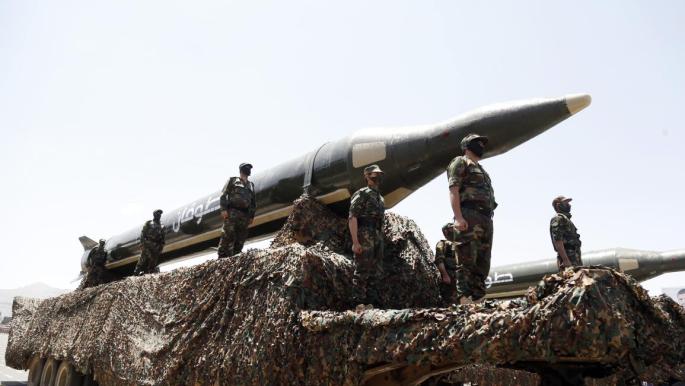
The Israeli army leadership is grappling with how to address the Houthi movement in Yemen, which has engaged in conflict alongside Iran. This development comes amid rising tensions in the region, complicating the security landscape.
The Houthis, who control the Yemeni capital Sanaa, are one of the most prominent armed groups supported by Iran. In recent years, the group has demonstrated the ability to carry out complex military operations, raising concerns for Israel, which seeks to maintain its national security.
Details of the Situation
Israeli fears are growing regarding the potential opening of a third front in the regional conflict, as Israeli efforts have primarily focused on countering threats from Hezbollah in Lebanon and Hamas in Gaza. With the Houthis entering the fray, the Israeli army must consider new strategies to confront this escalating challenge.
Reports indicate that the Houthis have received military and technical support from Iran, enhancing their military capabilities. This support may enable them to conduct operations targeting Israeli interests, either directly or through their allies in the region.
Background & Context
Historically, relations between Israel and Iran have been extremely tense, with Iran regarded as one of Israel's primary adversaries in the region. Events in Yemen, particularly since the outbreak of the civil war in 2015, have bolstered Iran's influence through support for the Houthis. This influence could alter the balance of power in the region and complicate existing conflicts.
In recent years, the region has witnessed an increase in military activities by the Houthis, including attacks on oil facilities in Saudi Arabia. These activities raise additional concerns for Israel, which fears the implications for its national security.
Impact & Consequences
The potential consequences of this new situation are manifold. Firstly, the Houthis' involvement in the conflict could escalate tensions between Israel and Iran, potentially dragging the region into further conflicts. Secondly, Iranian support for the Houthis may increase, enhancing their military capabilities and making them a more significant threat to Israeli interests.
Moreover, this new situation may require Israel to reassess its military and security strategies, including strengthening cooperation with its allies in the region to address the growing threats.
Regional Significance
This development poses a challenge not only for Israel but for the entire Arab region. As Iranian influence grows through the Houthis, neighboring Arab countries may be directly affected, especially those experiencing internal conflicts or tensions with Iran.
Additionally, this situation could reshape alliances in the region, as some Arab countries may seek to enhance cooperation with Israel to confront common threats. At the same time, this could exacerbate sectarian and political conflicts in the area.
In conclusion, the challenges faced by Israel with the Houthis in Yemen represent a turning point in the regional conflict, necessitating a comprehensive strategic response from all parties involved to maintain stability in the region.