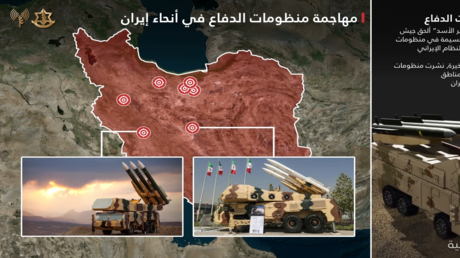
The Israeli army announced the completion of a large-scale military operation targeting Iranian defense systems, where dozens of warplanes were used in this strike. The operation was conducted under the guidance of military intelligence, reflecting high coordination between military and intelligence units.
This strike comes at a sensitive time as tensions in the region escalate, and this attack is considered part of a broader Israeli strategy aimed at undermining Iranian military capabilities. The army indicated that these strikes specifically target sites deemed a threat to Israeli national security.
Details of the Operation
According to official data, the airstrike targeted several sites in Iran, including military facilities and research and development centers. The Israeli army employed advanced aircraft, showcasing the strength of the Israeli Air Force and its ability to carry out complex operations far from its borders.
Details regarding the number of aircraft involved or the damage inflicted on the targeted sites have not been officially disclosed, but initial reports suggest that the operation was successful in achieving its objectives. It was also confirmed that the strike was part of Israel's ongoing efforts to prevent Iran from enhancing its military presence in the region.
Background & Context
Historically, relations between Israel and Iran have been tense, with Israel viewing Iran as an existential threat due to its nuclear program and support for armed groups in the region. For years, Israel has conducted several military operations against Iranian targets in Syria and Lebanon, reflecting its strategy to counter the increasing Iranian influence.
In recent years, Iran has ramped up its military capabilities, including air defense systems. This escalation in Iranian defensive capabilities has raised significant concerns in Tel Aviv, prompting it to take proactive measures to ensure its national security.
Impact & Consequences
This strike could lead to an escalation of tensions in the region, as Iran is likely to respond to this attack in various ways, either by bolstering its military presence or by supporting its affiliated militias in Iraq and Syria. Additionally, these operations may affect relations between Israel and Western countries, especially amid ongoing tensions surrounding the Iranian nuclear program.
The potential repercussions of this attack may also include an increase in military activity in the region, which could impact regional security and heighten the chances of new conflicts. Furthermore, international reactions may play a role in how events unfold in the coming days and weeks.
Regional Significance
This Israeli strike is part of the broader conflict between regional powers in the Middle East, where Iran plays a key role in supporting armed groups in the area. This attack could affect the stability of neighboring countries, particularly those experiencing internal conflicts or tensions with Iran.
Moreover, the escalation of military actions could impact the regional economy, potentially leading to rising oil prices and deteriorating economic conditions in countries affected by the conflict. These events may also lead to increased migration and displacement from conflict-affected areas.
In conclusion, developments in this context remain of great interest, as the world closely monitors reactions to this attack and the potential future ramifications.