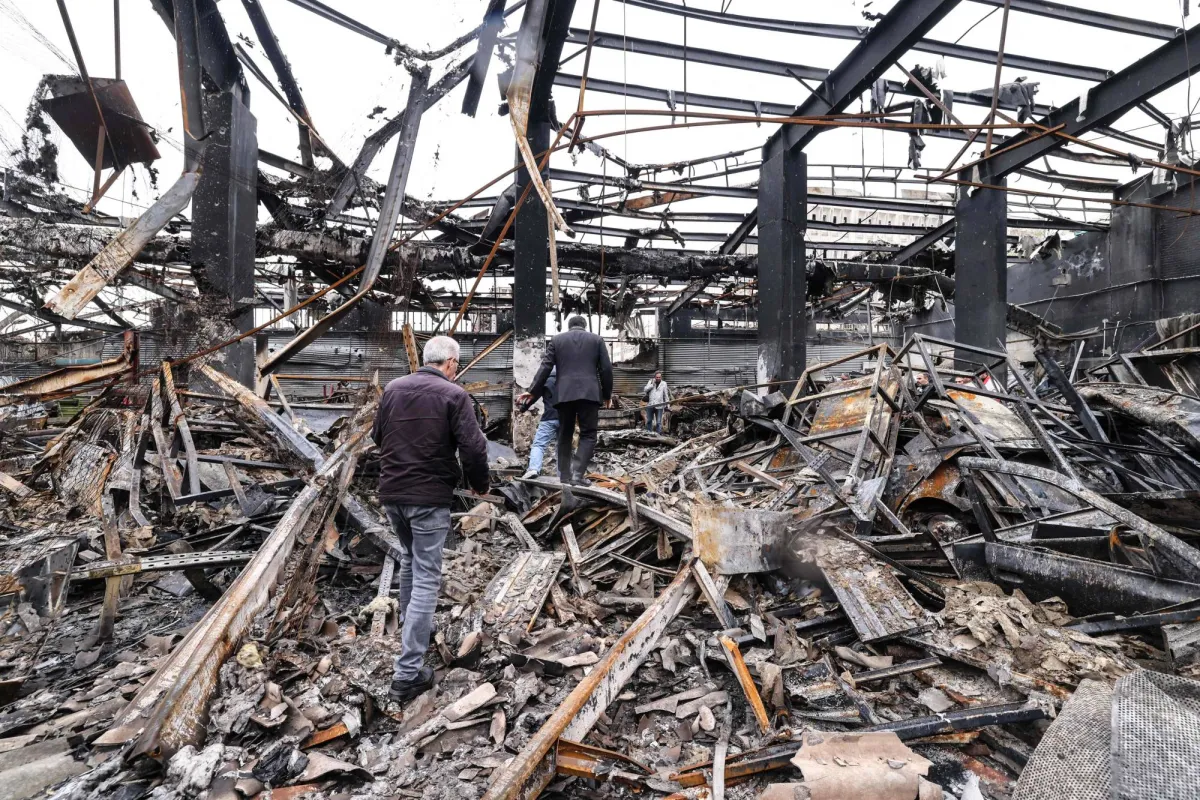
The Israeli army has declared that it will intensify its attacks on Iranian military industries, estimating that it will complete targeting around 90% of these sites in the next few days. These statements come against a backdrop of escalating regional tensions, with Israeli aircraft having targeted thousands of Iranian sites since the onset of the war, reflecting a military strategy aimed at undermining Tehran's defensive capabilities.
Iranian military industries are extensive, encompassing a range of military bodies and private companies that produce advanced weapon systems, including ballistic missiles, air defenses, and naval weapons. Reports indicate that the Israeli Air Force has so far targeted approximately 70% of these sites, demonstrating Israel's commitment to enhancing its national security.
Details of the Event
In a statement to the Times of Israel, the Israeli army confirmed that it is nearing its goal of targeting key Iranian sites used for developing weapons that threaten Israel. Turkey has warned that escalating attacks on Iran could lead to a broader conflict, emphasizing the importance of diplomatic solutions and regional cooperation.
Turkish Defense Minister Yasar Guler made a call to his Iranian counterpart, where views were exchanged regarding military and security developments in the region. Turkish Foreign Minister Hakan Fidan also stated that attacks on Iran could push the region to the brink of a full-scale war, highlighting the need for restraint.
Background & Context
These developments come at a time when the region is witnessing unprecedented military escalation, with over 400 ballistic missiles launched from Iran since the beginning of the war. The Israeli defense system, which includes systems like Arrow and David's Sling, is among the most advanced in the world, granting Israel the capability to counter aerial threats.
However, analysts have pointed out that Israel faces significant challenges in maintaining a high level of interception, especially as its stockpile of interceptive missiles is being depleted. Reports have confirmed that both the United States and Israel have consumed massive amounts of munitions during the early days of the war, raising questions about their ability to continue countering threats.
Impact & Consequences
Analyses suggest that the continuation of military escalation could lead to serious repercussions for regional security, as the conflict could expand to involve other countries. The Turkish Foreign Minister has warned that this war could result in lasting animosities in the region, necessitating the search for effective diplomatic solutions.
Moreover, military escalation may impact the regional economy, as trade and investment flows in the countries of the region could be affected due to security disturbances. Regional cooperation is deemed an urgent necessity to address shared security challenges.
Regional Significance
The current developments in the Iranian-Israeli conflict have a direct impact on Arab countries, as they could lead to heightened tensions in areas such as Iraq, Syria, and Lebanon. The current situation underscores the urgent need for cooperation among Arab nations to face the security challenges that may arise from the escalation of the conflict.
In conclusion, the current situation in the Middle East requires a swift and effective response from the concerned countries, as military escalation could lead to dire consequences for regional security and stability.