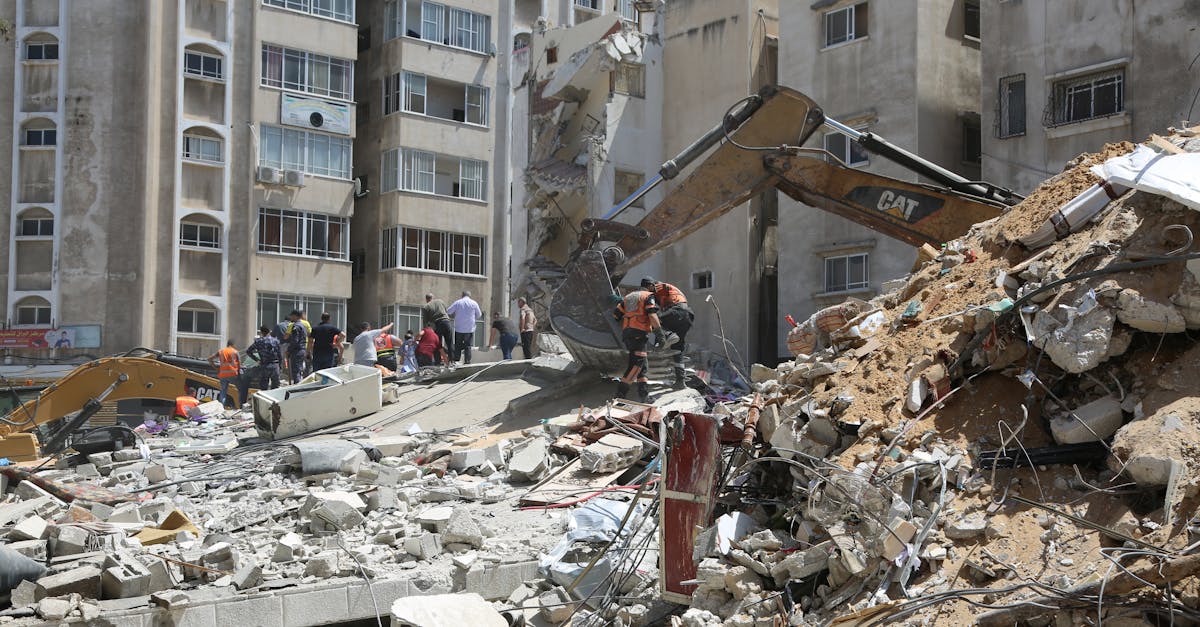
The Israeli army has announced that it targeted a Hezbollah leader in the Lebanese capital, Beirut, raising questions about the implications of this attack on relations between Israel and Lebanon. The attack comes amid escalating tensions between the two parties, each seeking to strengthen its position in the region.
This operation is part of a broader Israeli strategy to confront threats posed by armed groups in Lebanon, particularly Hezbollah, which the Israeli army considers one of the most significant security threats. Reports indicate that the attack targeted a prominent figure within the party, increasing the likelihood of a strong reaction from Hezbollah.
Details of the Incident
According to data released by the Israeli army, the attack was carried out using drones, targeting a location believed to be where the targeted leader was present. This type of operation reflects the technological advancements achieved by Israel in electronic warfare and intelligence, enabling it to conduct precise operations against hostile targets.
At the same time, no official comment has been issued by Hezbollah thus far, leaving room for speculation regarding the potential response. Historically, such operations have led to escalations in hostilities, raising concerns about the outbreak of a wider conflict in the region.
Background & Context
The roots of the conflict between Israel and Hezbollah date back decades, with the region witnessing numerous armed conflicts. Hezbollah was established in the 1980s in response to the Israeli occupation of Lebanon, and since then, it has become a major force in Lebanese politics. In recent years, tensions have significantly increased, especially with Hezbollah's involvement in regional conflicts such as the war in Syria.
Beirut serves as a vital center for Hezbollah's political and military activities, making it a potential target for Israeli operations. Previous attacks on party leaders have led to strong reactions, complicating the security situation in the region.
Impact & Consequences
Targeting a Hezbollah leader could escalate hostilities between the two sides, threatening stability in Lebanon and heightening tensions in the region. Should Hezbollah respond to this attack, we may witness a military escalation involving exchanges of strikes between the two parties, potentially affecting civilians and increasing the suffering of the Lebanese people.
This attack may also impact relations between Lebanon and the international community, as it could be viewed as a violation of Lebanese sovereignty. International powers may intervene to mediate the conflict, but the situation could become more complicated if hostilities escalate.
Regional Significance
This event is part of the larger picture of conflict in the Middle East, where regional and international interests intersect. The rising tensions between Israel and Hezbollah could affect relations between Arab countries and Israel, especially amid ongoing normalization attempts in the region.
Furthermore, any escalation in Lebanon could impact the security situation in neighboring countries, such as Syria and Palestine, complicating conditions in the region. Arab nations must be cautious in their reactions, as any escalation could lead to widespread repercussions.
In conclusion, targeting a Hezbollah leader in Beirut represents a provocative step that could have serious implications for regional security. Concerned parties must work to avoid escalation and refrain from any actions that could exacerbate the situation in the region.