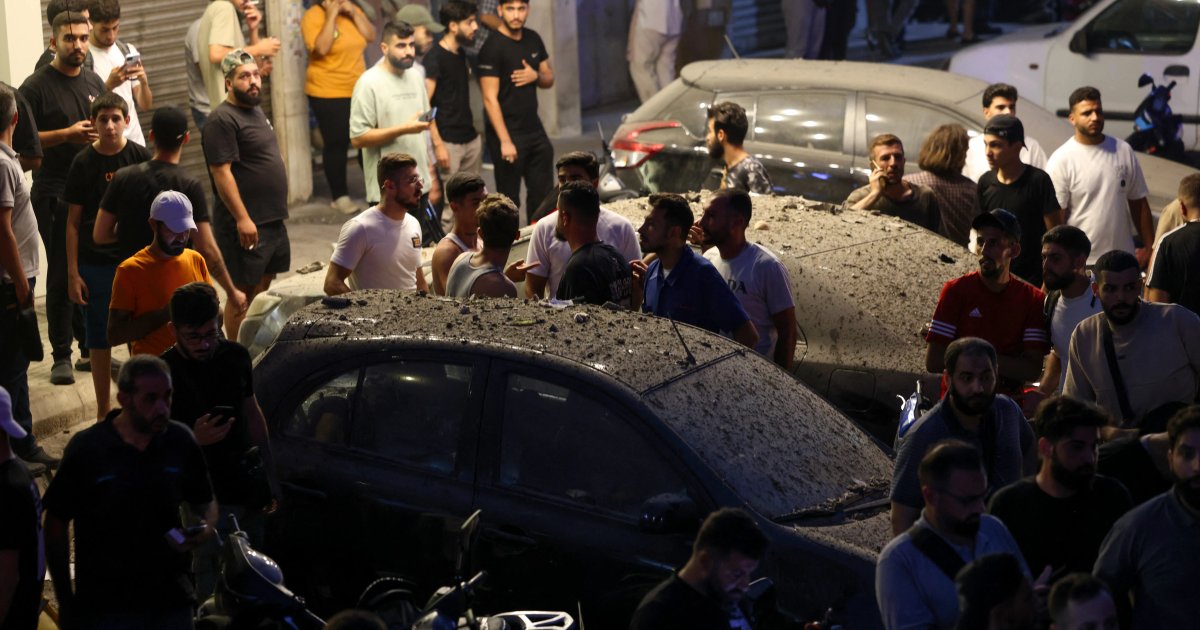
The Israeli army has announced that it targeted a prominent leader of Hezbollah during a military operation in the Lebanese capital, Beirut. This attack occurs amid rising tensions between Israel and Hezbollah, with this targeting seen as a strong message from Tel Aviv to its adversaries in the region.
Reports indicate that the operation took place late at night, where Israeli forces targeted a location believed to be housing the targeted leader. No precise details have been disclosed regarding the leader's identity or the damage caused by the attack, but this move reflects an Israeli strategy aimed at undermining Hezbollah's military capabilities.
Details of the Incident
In recent years, relations between Israel and Hezbollah have become increasingly strained, especially following the Syrian civil war, which added new complexities to the conflict. Hezbollah is considered a key player in the conflict, supporting the Syrian government and participating in military operations against armed groups. The recent Israeli attack demonstrates that Tel Aviv is prepared to launch preemptive strikes against any potential threat from Hezbollah.
This operation comes at a sensitive time, as Lebanon is suffering from a crippling economic crisis, making the security situation more precarious. It is believed that Hezbollah may retaliate against this attack, potentially leading to greater military escalation in the region.
Background & Context
Historically, relations between Israel and Hezbollah have been tense since the party's establishment in the 1980s. The region has witnessed several conflicts, most notably the 2006 war, which resulted in widespread destruction in Lebanon. Since then, Hezbollah has maintained advanced military capabilities, making it one of the most significant security threats to Israel.
The regional situation is also considered complex, as the interests of many countries intersect in the conflict. Hezbollah is seen as being supported by Iran, which complicates the conflict further and makes it difficult to reach peaceful solutions. Repeated Israeli attacks indicate that Tel Aviv seeks to maintain its military superiority in the region.
Impact & Consequences
The recent targeting of a Hezbollah leader could lead to military escalation in the region, as the party may respond to this attack with retaliatory operations against Israeli targets. This escalation could affect stability in Lebanon and increase the suffering of the Lebanese people, who are already grappling with a severe economic crisis.
Moreover, this attack may heighten tensions between Israel and Iran, as Hezbollah is considered one of Tehran's military arms in the region. Any escalation could lead to external interventions and complicate the situation further.
Regional Significance
The recent events in Lebanon are part of a larger picture of conflicts in the Middle East. This escalation demonstrates how local crises can lead to wide-ranging regional impacts. Arab countries are closely monitoring the situation, as any escalation could affect security and stability throughout the region.
In conclusion, this attack serves as evidence that conflicts in the region remain unresolved, and peaceful solutions are still far from reach. It is crucial for Arab nations to remain united in facing the security and economic challenges they encounter.