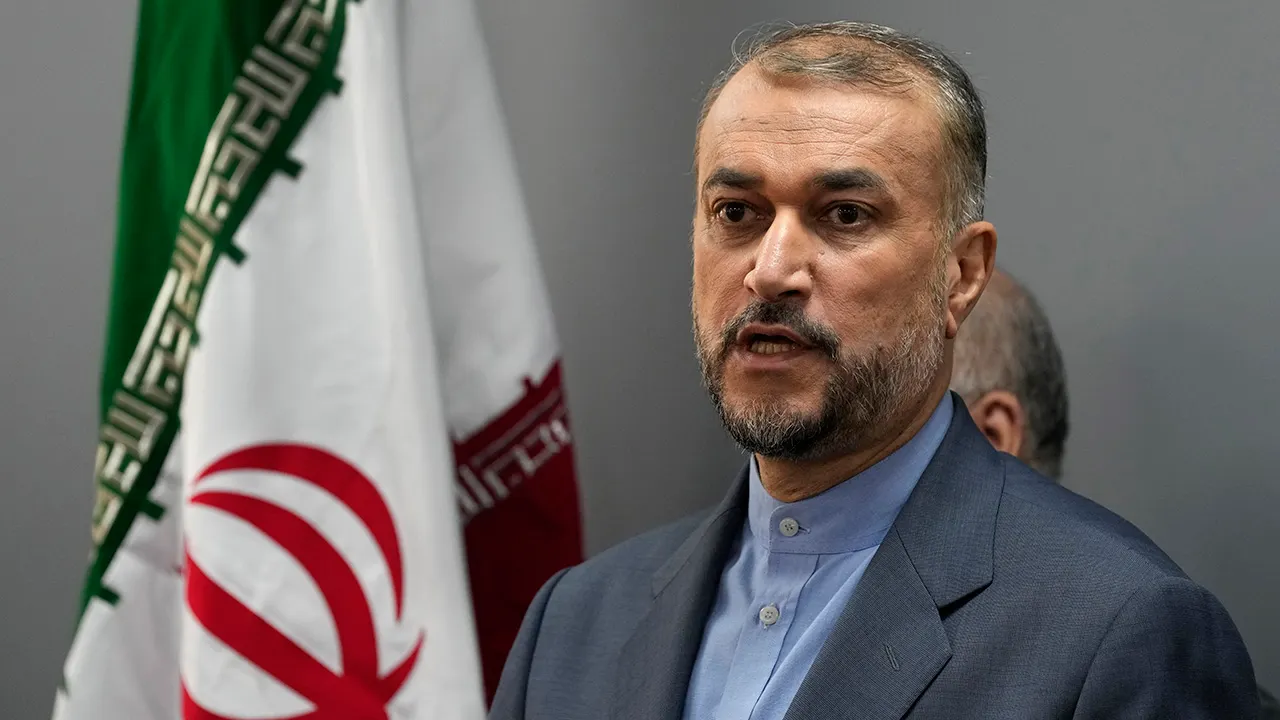
The Israeli army reported that it has targeted a high-ranking leader in the joint military command in Iran, reflecting the rising tensions between Tel Aviv and Tehran. This attack comes at a sensitive time, as fears grow regarding the escalation of Iranian military activities in the region.
The operation, details of which have not been fully disclosed, indicates an increasing Israeli strategy aimed at Iranian military leadership, viewed as a threat to its national security. Israeli officials noted that this attack is part of their efforts to curb Iran's influence in the Middle East.
Details of the Attack
According to available data, the attack was carried out using drones, showcasing a development in Israeli military capabilities. The name of the targeted leader has not been revealed, but reports suggest that he played a significant role in planning Iranian military operations in the region.
This attack follows a series of Israeli military operations against Iranian targets in Syria, where Israel seeks to undermine Iran's military presence near its borders. This escalation has elicited mixed reactions from the international community, with some calling for restraint.
Background & Context
Historically, Israeli-Iranian relations have seen increasing tensions since the Iranian Revolution in 1979. Israel has long viewed Iran as an existential threat, especially with the rise of Iranian nuclear activities. In recent years, Israel has taken proactive steps to counter this threat, including carrying out covert military operations against Iranian facilities.
The conflict in Syria has added a new dimension to these tensions, as Iran seeks to bolster its military presence there, raising concerns for Israel. This recent attack fits into a broader Israeli strategy aimed at preventing Iran from solidifying its military foothold in the region.
Impact & Consequences
This attack could have profound implications for Israeli-Iranian relations, with expectations that Iran will respond strongly to this targeting. Such a response could lead to military escalation in the region, heightening tensions between the two sides.
Moreover, this attack may impact the Iranian nuclear negotiations, as Iran might adopt a more hardline stance in talks with global powers. International reactions to this attack could also play a role in shaping regional dynamics.
Regional Significance
Concerns are growing that the escalation between Israel and Iran could affect stability in the Arab region. Many Arab countries are closely monitoring the situation, as any escalation could lead to undesirable repercussions for regional security.
This attack may also evoke memories of past conflicts in the region and exacerbate divisions between Arab nations and Iran. It is crucial for Arab states to remain vigilant regarding developments, as any escalation could impact their security and economic interests.
In conclusion, this attack represents a new step in the ongoing conflict between Israel and Iran, reflecting the increasing tensions in the region. These dynamics are expected to continue influencing regional and international relations in the near future.