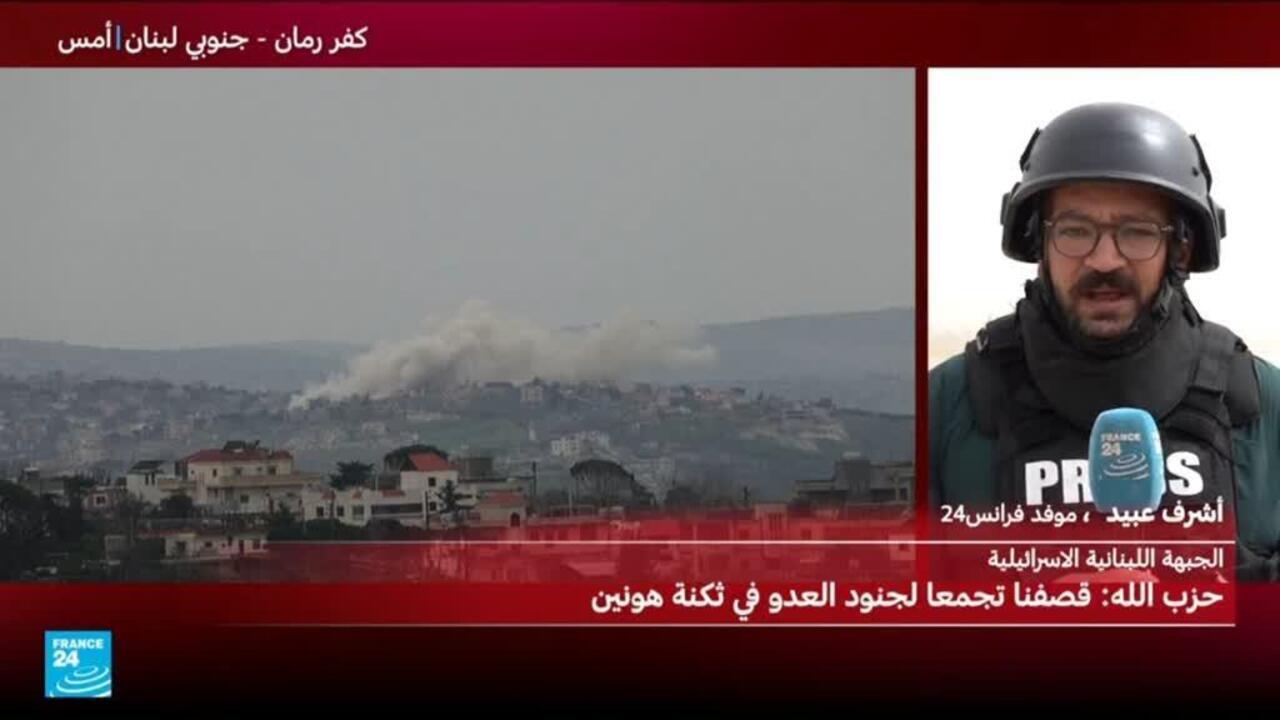
The Israeli army has declared its intention to bomb two bridges in the Bekaa Valley in eastern Lebanon, accusing Hezbollah of using them for 'terrorist' purposes. In an official statement, the army confirmed that the attack would target the Sahr-Mashghara bridges, indicating that this step is a result of Hezbollah's activities and the transfer of terrorist elements to southern Lebanon under the cover of civilian populations.
These threats come at a sensitive time, as the Israeli army reported that it has already struck more than 3,500 targets across Lebanon within a month since the fighting with Hezbollah began. The intensity of the conflict in the region has escalated since March 2, leading to worsening humanitarian and political conditions.
Details of the Incident
Tensions between Israel and Hezbollah continue to rise, with the Israeli army considering the mentioned bridges as strategic points used by the Lebanese group in its operations. The statement noted that these activities include the transfer of armed elements under the guise of civilians, complicating the security situation in the area.
At the same time, fears are growing that these military operations could lead to a greater escalation in the conflict, which may negatively impact civilians in Lebanon, who are already suffering from the consequences of the ongoing strife.
Background & Context
Historically, relations between Israel and Hezbollah have been marked by ongoing tensions, with the conflict dating back decades. The region has witnessed numerous wars and conflicts, the most recent of which occurred in 2006, resulting in widespread destruction in Lebanon. Since then, sporadic clashes have continued, but the recent escalation reflects a shift in regional dynamics.
Hezbollah is considered a major player in the Lebanese arena, drawing strength from Iranian and Syrian support. In contrast, Israel seeks to undermine the party's influence in the region, increasing the likelihood of military escalation.
Impact & Consequences
The Israeli threats to bomb the bridges could lead to a significant escalation in hostilities, which may adversely affect civilians in Lebanon. This step could also provoke reactions from Hezbollah, raising the likelihood of widespread military confrontations.
Moreover, the continuation of the conflict could impact regional stability, as regional and international powers might intervene in the dispute, complicating the situation further. The humanitarian conditions in Lebanon could deteriorate even more, necessitating an urgent response from the international community.
Regional Significance
This escalation in the conflict between Israel and Hezbollah poses a significant challenge to security and stability in the Arab region. The conflict in Lebanon could affect neighboring countries and increase tensions in other areas such as Syria and Palestine.
Additionally, the deteriorating humanitarian situation in Lebanon could lead to an influx of refugees into neighboring countries, placing an additional burden on those nations. Therefore, the international community is called upon to intervene to resolve the conflict and provide humanitarian support to the affected civilians.
In conclusion, the situation in Lebanon remains tense and requires urgent international efforts to avoid a greater escalation that could have dire consequences for the entire region.