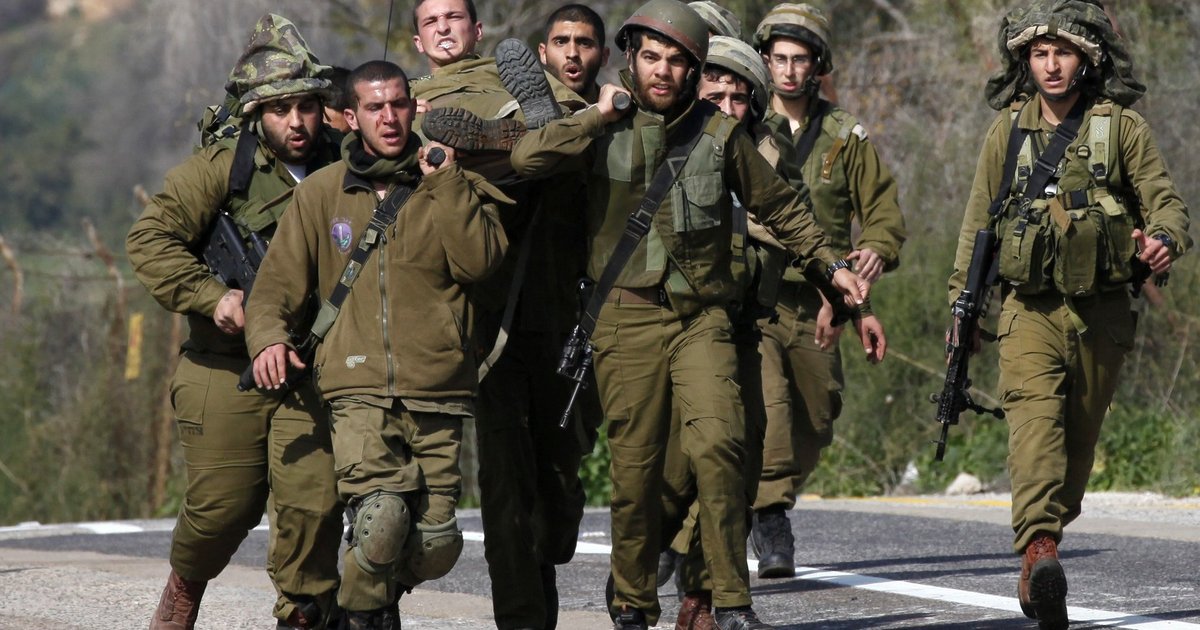
The Lebanese Armed Forces announced the death of one of its soldiers in an Israeli attack that took place in southern Lebanon. The incident, which occurred late last night, comes amid escalating military tensions between the two sides, raising concerns of a larger escalation in the region.
According to military sources, the attack targeted a Lebanese military site, resulting in the death of the soldier and injuries to others. This attack follows a series of intermittent clashes along the Lebanese-Israeli border, which have seen a noticeable increase recently.
Details of the Incident
The Israeli attack is part of a policy of escalation pursued by Tel Aviv in response to what it perceives as security threats from the Lebanese Hezbollah. Lebanese military sources confirmed that the attack was carried out using drones, reflecting a development in the military tactics employed by Israeli forces.
The Lebanese army, which is under economic and political pressures, finds itself in a difficult position as it must confront external threats while suffering from a lack of resources and equipment. This attack also reflects the ongoing tensions in the region and complicates the security situation in Lebanon.
Background & Context
Historically, the Lebanese-Israeli border has witnessed numerous armed conflicts, with the area being the stage for many wars and disputes. Since the withdrawal of Israeli forces from Lebanon in 2000, tensions have remained high, especially with the increasing influence of Hezbollah in the south.
In recent years, fears of escalating hostilities between Lebanon and Israel have grown, particularly following repeated attacks on Hezbollah positions. These events raise concerns about the potential outbreak of a new war in the region, which could have serious repercussions for regional security.
Impact & Consequences
The death of the Lebanese soldier may lead to further escalation of tensions between Lebanon and Israel, as Lebanese forces are expected to respond to Israeli attacks. This escalation could drag the region into a cycle of violence, increasing civilian suffering and affecting stability in Lebanon.
Additionally, this incident may impact relations between Lebanon and the international community, as the Lebanese government could face greater pressure to take action against Israeli attacks. At the same time, it could lead to increased international support for the Lebanese army in facing external threats.
Regional Significance
The recent events in Lebanon are part of a broader picture of tensions in the Arab region. Ongoing conflicts in Syria and Palestine directly affect the situation in Lebanon, complicating the security landscape.
The rising tensions between Lebanon and Israel may also impact relations between Arab states and Israel, especially amid some Arab countries' attempts to normalize relations with Israel. These events could revive discussions about the Palestinian issue and affect peace efforts in the region.
In conclusion, events in Lebanon remain under international scrutiny, as any escalation could lead to serious repercussions for regional security. It is crucial for all parties to work towards de-escalating the situation and avoiding military escalation.