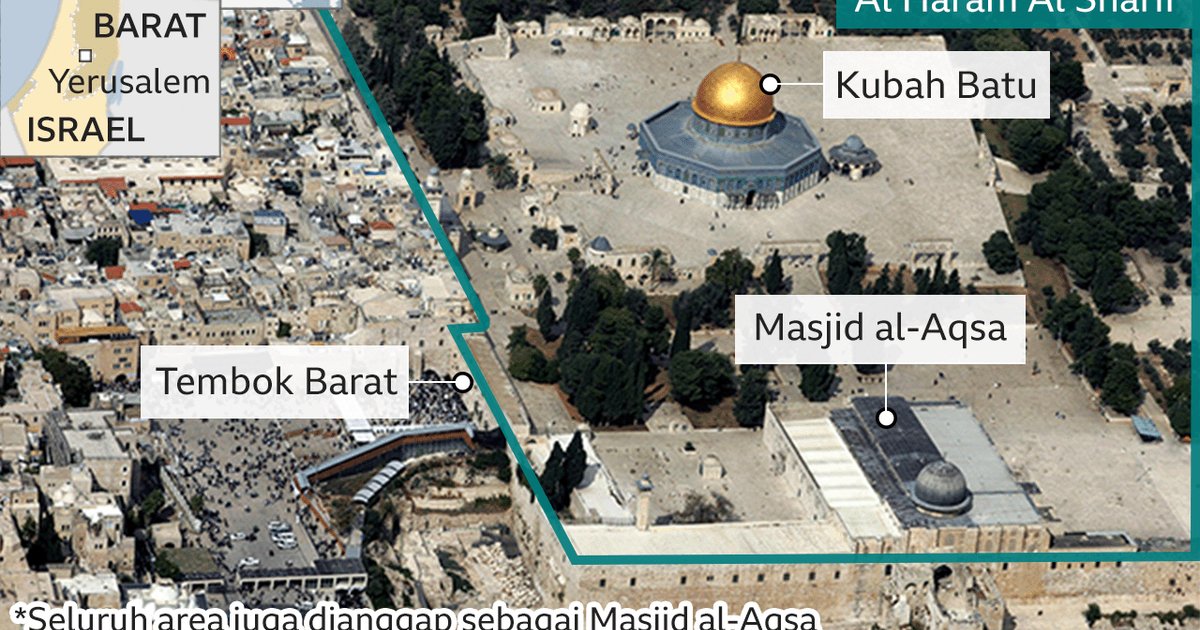
Israeli authorities continue to keep Al-Aqsa Mosque and the Church of the Holy Sepulchre closed for the fortieth consecutive day, a move that has drawn widespread condemnation from Palestinians and Arabs. This closure comes at a sensitive time, as tensions in the region are escalating, raising fears of greater repercussions on both security and religious fronts.
These sacred sites hold significant importance for both Muslims and Christians; Al-Aqsa Mosque is considered the first qibla and the third holiest site in Islam, while the Church of the Holy Sepulchre is one of the holiest places for Christians. The ongoing closure of these locations raises serious concerns regarding freedom of worship and human rights in the occupied territories.
Details of the Incident
The closure imposed by Israel is part of heightened security measures, with reports indicating that Israeli authorities have taken this step as part of their strategy to counter what they describe as security threats. However, many view these measures as a discriminatory policy targeting Palestinians and restricting their religious rights.
In recent weeks, the region has witnessed a surge in tensions, with clashes erupting between Palestinians and Israeli forces at several locations, exacerbating the situation. International human rights organizations have issued statements condemning these actions, emphasizing the need to respect the rights of worship for all religions.
Background & Context
Historically, Al-Aqsa Mosque and the Church of the Holy Sepulchre have experienced periods of tension and conflict, as these sites have always been a focal point of contention between Palestinians and Israelis. Since the occupation of East Jerusalem in 1967, these locations have faced numerous attempts at control, leading to an escalation of religious and political conflict in the region.
This crisis is part of the ongoing Israeli-Palestinian conflict, which has persisted for decades. Many international entities have attempted to intervene to resolve this dispute, but to no avail, complicating the situation further in the region.
Impact & Consequences
The continued closure of Al-Aqsa Mosque and the Church of the Holy Sepulchre could exacerbate conditions in the occupied territories, with the likelihood of further protests and clashes in the coming days. Additionally, these actions may negatively impact Israel's relations with Arab countries, which are closely monitoring the situation.
These events represent a real test for international efforts aimed at achieving peace in the region. If these measures persist, pressure may increase on the Israeli government from the international community, potentially leading to changes in current policies.
Regional Significance
The events at Al-Aqsa Mosque and the Church of the Holy Sepulchre directly affect relations between Arab countries and Israel. Many Arab nations consider these sites part of their cultural and religious identity, and any assault or closure of them is seen as an affront to the feelings of Arabs and Muslims.
Furthermore, these events may reinvigorate popular movements in Arab countries, potentially leading to demonstrations in support of Palestinians in several capitals. This could contribute to increasing internal tensions in some countries, complicating the political landscape in the region.
In conclusion, the closure of Al-Aqsa Mosque and the Church of the Holy Sepulchre for the fortieth day marks a sign of escalating tensions in the region, necessitating urgent action from the international community to protect the rights of worship and ensure peace in the holy lands.