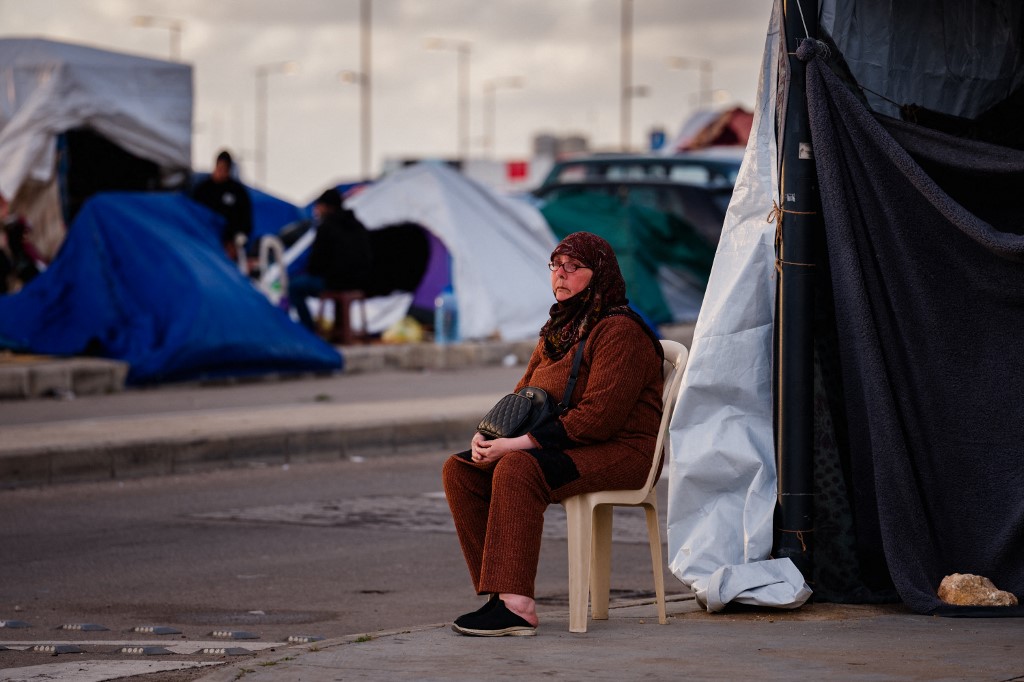
Israeli drone strikes have resulted in the deaths of four individuals in southern Lebanon, targeting various areas in a country plagued by ongoing tensions. According to the National News Agency of Lebanon, the first attack occurred in the Qasimiya area near the city of Tyre, where a drone targeted a vehicle, killing two people. Another strike targeted the area of Deir Kifa, leading to the deaths of two additional individuals.
These attacks come at a sensitive time, as the region is experiencing escalating tensions between Israel and Hezbollah, raising concerns about the stability of the situation in Lebanon. The strikes have provoked strong reactions from Lebanese officials, who condemned the attacks and considered them a violation of Lebanese sovereignty.
Details of the Incident
The Israeli airstrikes are part of a continuing escalation by Israeli forces in the region, aiming to target what they perceive as security threats. Local sources confirmed that the victims were civilians, which intensifies the criticism directed at Israel regarding its use of excessive force in residential areas.
It is worth noting that Israeli strikes on Lebanon are not new; in recent years, there have been numerous attacks targeting various regions, resulting in the deaths and injuries of many civilians. These events raise concerns about the humanitarian impact of such military actions.
Background & Context
Historically, Lebanon has witnessed multiple conflicts with Israel, with wars and armed confrontations occurring over decades. The most recent conflict between Israel and Hezbollah in 2006 was a significant event that led to a deterioration of conditions in the region. Since then, tensions have persisted, with repeated military attacks and responses.
The political situation in Lebanon is also complex, as the country faces economic and political crises, complicating the security situation. The Lebanese government is facing significant challenges in controlling the situation, making it vulnerable to external interventions.
Impact & Consequences
The recent Israeli attacks could lead to a new escalation in the conflict between Israel and Hezbollah, threatening the stability of Lebanon and the region as a whole. Resistance groups may respond to these attacks, potentially leading to greater military escalation.
These events may also affect relations between Lebanon and the international community, as many countries are expected to condemn these attacks and call for restraint. The humanitarian situation in Lebanon could deteriorate further if these strikes continue, increasing the suffering of civilians.
Regional Significance
These events serve as a reminder to the international community of the need to address crises in the region seriously. The tensions between Israel and Hezbollah impact regional security and could have negative repercussions for neighboring countries.
Additionally, the situation in Lebanon reflects the challenges faced by many Arab countries amid political and economic crises. It is essential for Arab nations to cooperate to enhance stability in the region and provide support to Lebanon during these difficult times.