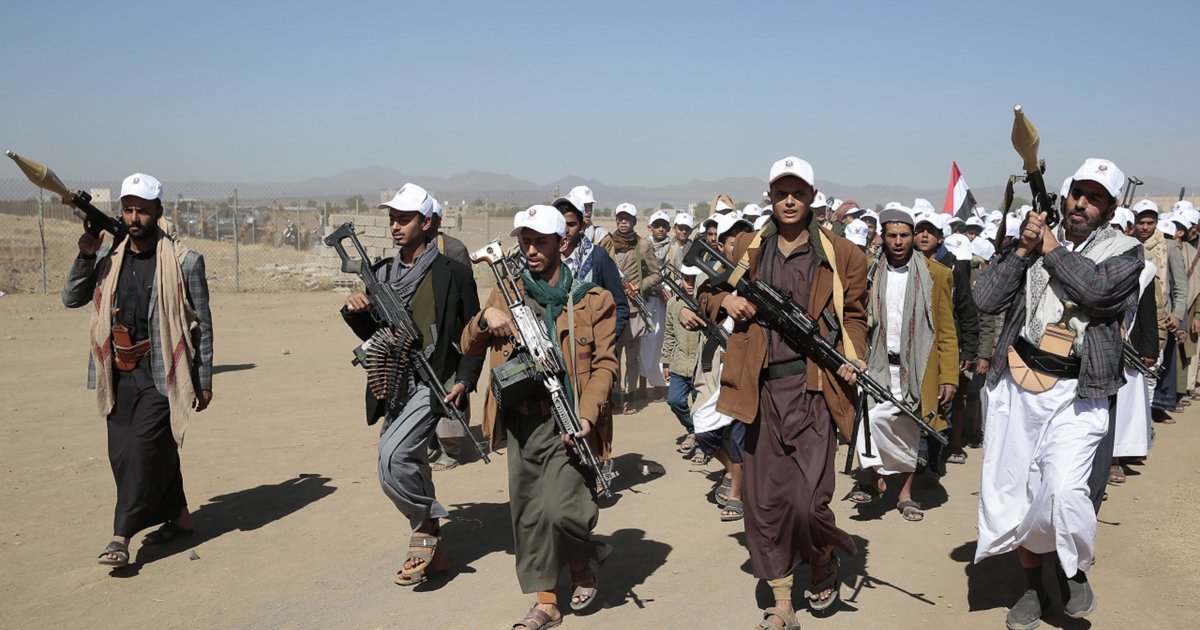
The Houthi group has accused Israel of exploiting the tense situation in the region to achieve its objectives in Lebanon and Palestine, warning that the continuation of Israeli aggression could lead to a serious escalation threatening international peace and security.
In an official statement released on Sunday, the group affirmed that the ongoing Israeli attacks on Palestine, Lebanon, and Iran represent a blatant violation of international humanitarian law, noting that these aggressions include bombing residential neighborhoods in Palestine and repeated assaults on border villages in Lebanon.
Details of the Incident
The Houthi group has observed that the recent Israeli escalation comes at a time when the world is preoccupied with tensions with Iran, where Israel seeks to exploit this situation to achieve its aims in the region. The statement indicated that these developments reflect Israel's aggressive approach and its insistence on destabilizing security and stability in the region and the world.
On April 21, the group's leader, Abdul-Malik al-Houthi, described the ceasefire announced between Iran and its allies on one side and the United States and Israel on the other as "fragile" and likely to collapse at any moment, reflecting the growing concern over escalating tensions.
Background & Context
Historically, the region has witnessed ongoing tensions between Israel and neighboring countries, especially with the escalation of the Palestinian-Israeli conflict. These tensions have increased in recent years due to the interventions of major powers in the region, exacerbating humanitarian and political crises.
The Houthis, who have engaged in the war against Iran, express their support for Tehran in facing the increasing American and Israeli attacks, which began on February 28, resulting in thousands of casualties and injuries.
Impact & Consequences
Analyses indicate that the Israeli escalation could lead to a larger escalation in the regional conflict, threatening the outbreak of a comprehensive war that may involve other countries in the region. This situation could also increase the suffering of civilians and deepen existing humanitarian crises.
Under these circumstances, there is growing concern that the continuation of aggression could provoke military responses from Iran's allies, potentially opening new fronts in the conflict and complicating the situation in the region further.
Regional Significance
This escalation serves as a wake-up call for Arab countries, highlighting the need for Arab unity to confront common challenges. The continuation of the tense situation may also affect political and economic stability in many Arab nations.
In conclusion, the situation in the region remains fragile and requires concerted international and regional efforts to mitigate escalation and ensure security and stability.