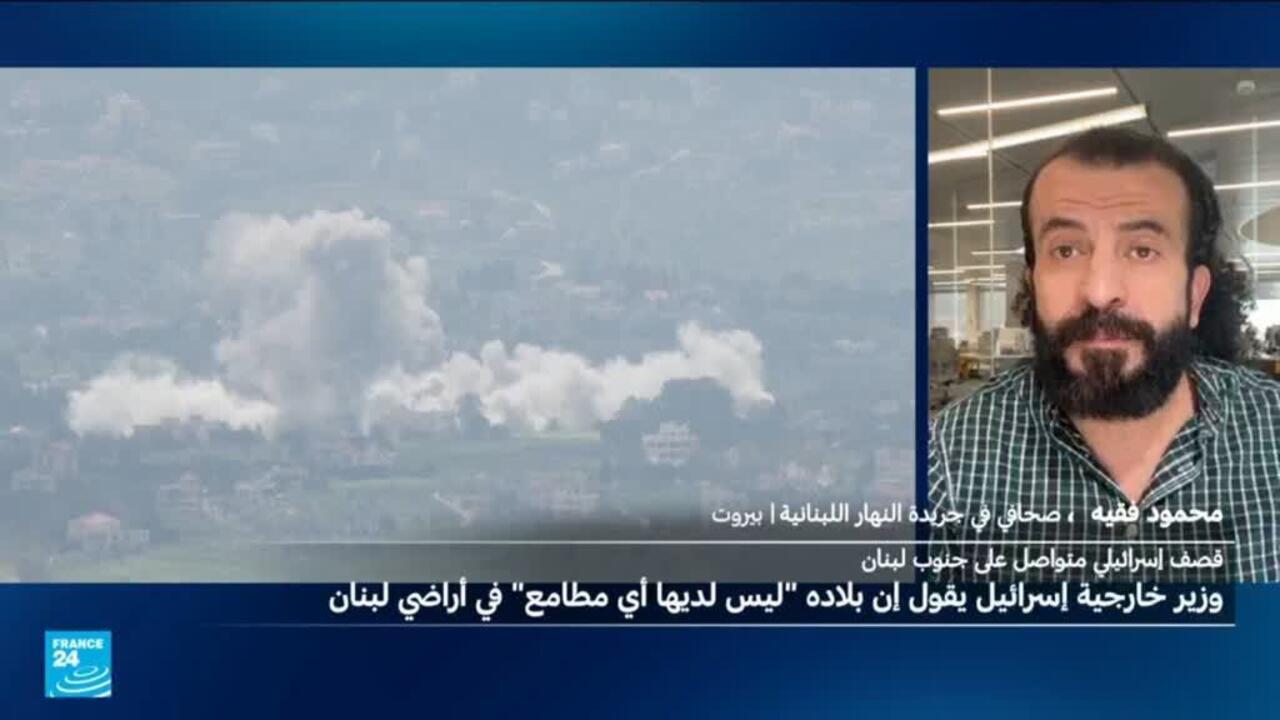
Israeli Prime Minister Benjamin Netanyahu has declared that his country intends to continue military operations against Hezbollah in Lebanon, despite a ceasefire between the two parties. These statements come at a time when the Israeli army has broadened the scope of its strikes on Lebanese territory, with reports indicating the death of four people in southern Lebanon on Monday.
Netanyahu confirmed during his statements that Israel is currently conducting airstrikes in the security zone established in southern Lebanon, as well as in its northern regions, extending up to the northern banks of the Litani River. He noted that these operations are part of Israel's right to defend itself, based on agreements with the United States and the Lebanese government.
Details of the Event
In an escalatory move, the Israeli army issued warnings to residents of more than ten villages in southern Lebanon, urging them to evacuate their homes and head north. The army explained that this measure comes in light of what it described as Hezbollah's violation of the ceasefire, which increases tensions in the region.
The Israeli military operations continue despite international calls for de-escalation, raising questions about the compatibility of these operations with diplomatic efforts aimed at ending the conflict. The situation in Lebanon appears to be becoming more complicated, with Israel's military escalation ongoing.
Background & Context
Historically, the relationship between Israel and Hezbollah has seen increasing tensions since 2006, when war broke out between the two sides. Since then, clashes and military operations have persisted, leading to a deterioration of humanitarian conditions in border areas.
The Israeli military operations in Lebanon are part of a broader strategy aimed at undermining Hezbollah's power, which is considered one of the most prominent armed groups in the region. These operations have affected the relations between Lebanon and Israel, with growing concerns about the outbreak of a new comprehensive war.
Impact & Consequences
The Israeli military escalation could lead to serious repercussions for regional security, potentially causing increased tensions between neighboring countries. Furthermore, the continuation of military operations may exacerbate the humanitarian situation in Lebanon, which is already suffering from economic and social crises.
These events are likely to impact international relations, as some countries may seek to intervene to mitigate the escalation. At the same time, Israel may find itself under greater international pressure to halt military operations and return to the negotiating table.
Regional Significance
The situation in Lebanon is part of the larger picture of security in the Arab region, where ongoing conflicts contribute to destabilization. The escalation between Israel and Hezbollah may encourage other armed groups in the region to adopt similar stances, increasing the likelihood of new conflicts erupting.
Additionally, the situation in Lebanon could affect relations between Arab countries, as positions regarding the Israeli escalation may vary. It is crucial for Arab nations to adopt a unified stance towards these developments to ensure regional stability.
In conclusion, the Israeli military escalation in Lebanon poses a significant challenge to regional security and calls for an urgent international response to prevent further deterioration of the situation. The continuation of military operations could have dire consequences for all parties involved.