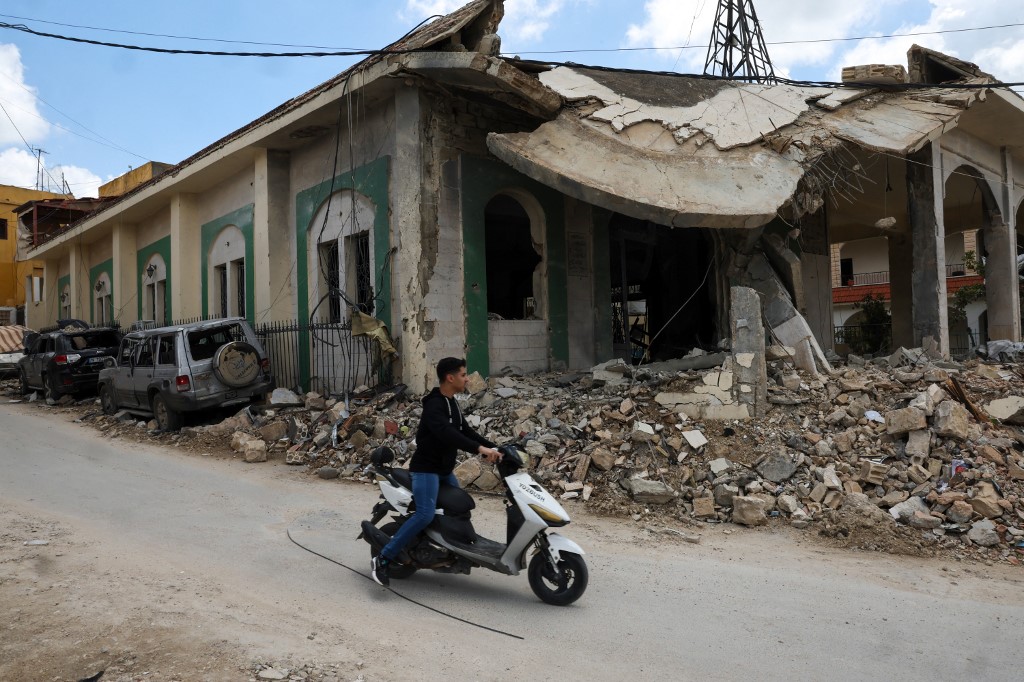
Israeli forces have attacked the town of Dibl, a Christian community in southern Lebanon, destroying solar panels that provided energy to homes and drinking water. This assault has resulted in power and water outages, leaving civilians in an extremely precarious situation.
The impact of this attack goes beyond the destruction of energy and water systems, as damage has also affected homes, roads, and orchards, exacerbating the daily suffering of residents. Dibl, known for its Maronite community, has faced several previous attacks, reflecting a growing pattern of targeting.
Details of the Incident
Recently, another incident in Dibl sparked widespread outrage when an Israeli soldier filmed himself destroying a statue of Jesus, highlighting the religious and ethnic tensions in the area. This act was not merely an assault on a religious symbol but part of a broader pattern of destruction affecting civilian infrastructure and religious sites.
With the destruction of the solar energy network, Dibl now faces significant challenges in accessing electricity and water, directly impacting the daily lives of its residents. Many inhabitants live in a state of anxiety and fear for the future, as economic and social pressures mount.
Background & Context
Historically, Dibl, like many other areas in Lebanon, has witnessed multiple conflicts due to the Israeli-Lebanese dispute. For decades, the region has been a battleground, leading to the destruction of numerous infrastructures. As tensions have escalated in recent years, the situation has become more complex, with Christian communities in Lebanon facing increasing pressures.
Dibl is considered a symbol of religious diversity in Lebanon, where Christians and Muslims live side by side. However, repeated attacks by Israeli forces threaten this social fabric and deepen divisions between communities.
Impact & Consequences
These events underscore the profound impact of the Israeli-Lebanese conflict on the daily lives of residents. The destruction of essential infrastructure such as electricity and water has serious implications for public health and the local economy. Additionally, the loss of basic services increases the suffering of the population, exacerbating humanitarian crises.
Moreover, these actions could escalate tensions between different communities in Lebanon, raising the likelihood of further conflicts. The destruction of religious symbols, such as the statue of Jesus, also reflects cultural and religious tensions that could lead to greater escalation in the future.
Regional Significance
What is happening in Dibl is part of a larger picture of conflict in the region. Attacks on civilian communities reflect ongoing tensions between Israel and Arab nations, increasing instability in the area. These events also raise international concern regarding human rights and civilian protection in conflict zones.
Ultimately, these events should serve as a call to reflect on how to address conflicts in the region and how the international community can play a role in protecting civilians and ensuring their basic rights.