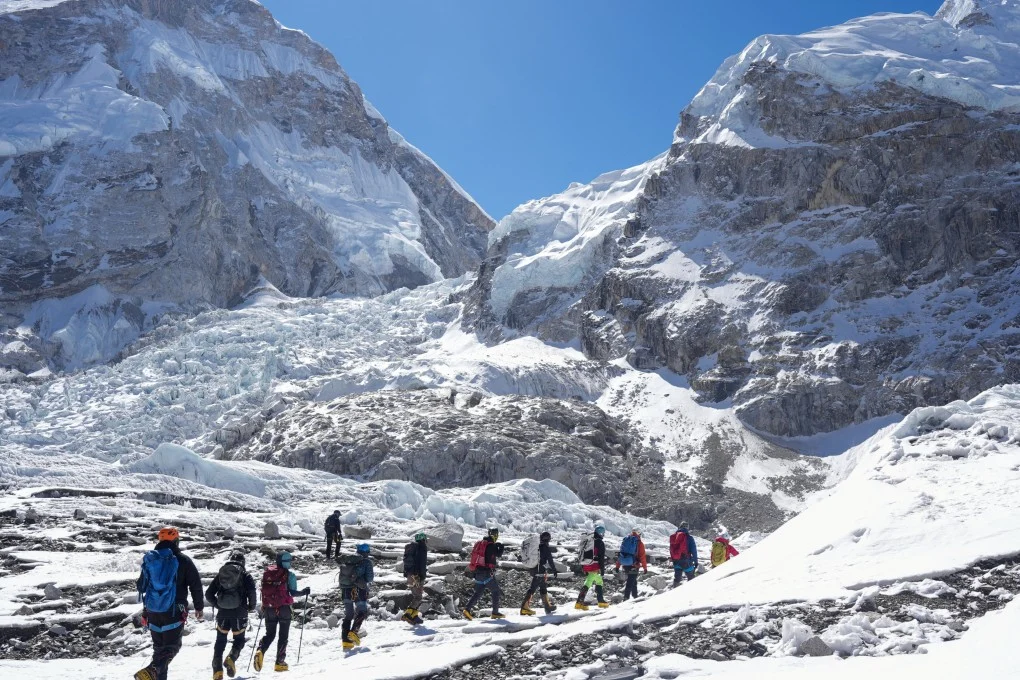
Everest climbing teams face significant challenges as a massive ice block has closed the route to the summit, threatening this year's climbing season. A team of professional climbers, known as the 'Ice Doctors,' began preparing the routes last month in anticipation of the upcoming spring season.
However, a dangerous ice block, known as a 'serac,' above the perilous Khumbu Glacier area has disrupted their work for nearly two weeks. This ice block poses a significant threat to climbers, as it could collapse at any moment, making it increasingly difficult to reach the summit.
Event Details
The summit of Everest, which rises approximately 8,848 meters above sea level, is one of the most popular destinations for climbers from around the world. As the climbing season approaches, professional climbers are busy preparing routes and securing ropes and ladders to ensure the safety of climbers. However, the current ice block is hindering these preparations, raising concerns among the teams.
One climber stated, "We are waiting for conditions to improve, but the current situation is worrying. We are working hard to secure the route, but nature is unpredictable." This situation reflects the challenges climbers face in this harsh environment.
Background & Context
Historically, the summit of Everest has witnessed numerous incidents due to severe weather conditions and avalanches. In recent years, the number of climbers has increased, leading to congestion at times, which heightens the risks. Ice blocks like the one currently facing the teams are part of the climate changes affecting mountains worldwide.
The Khumbu Glacier area is considered one of the most dangerous regions, as it is subject to sudden changes in weather conditions. These changes make it difficult for teams to predict potential hazards, complicating the climbing process.
Impact & Consequences
A delay in the climbing season could significantly impact the local economy in Nepal, where many residents rely on tourism related to Everest climbing. The delay could reduce the number of climbers, affecting the income earned by local guides, hotel owners, and restaurant operators.
Moreover, the delay in preparing the routes may increase risks for climbers who might attempt to reach the summit under unsafe conditions. This situation requires teams to make difficult decisions regarding their safety and the safety of others.
Regional Significance
Although Everest is far from the Arab region, this event highlights the importance of safety in sports and adventure activities. Such experiences can inspire Arab climbers who aspire to achieve their dreams of mountain climbing.
Additionally, the challenges faced by climbers on Everest reflect the importance of thorough preparation and awareness of risks, a lesson that athletes worldwide, including Arabs, can benefit from.