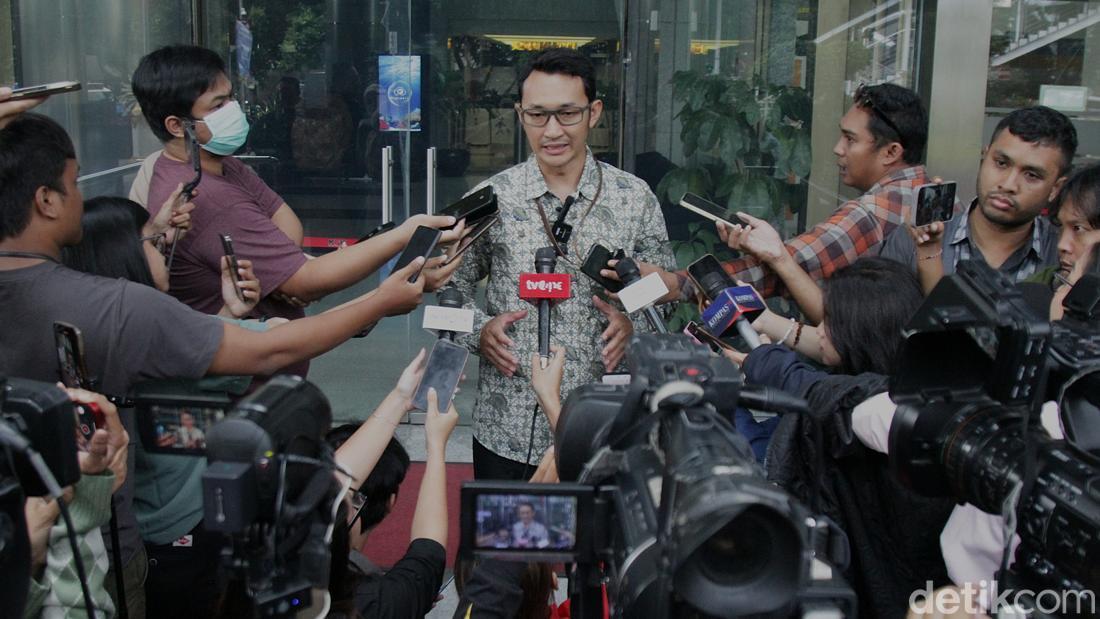
The defense team for former Indonesian Minister of Religious Affairs, Yaqut Cholil Qoumas, has categorically denied any allegations regarding his receipt or provision of money in a corruption case related to Hajj quotas. Attorney Dody S. Abdul Qadir emphasized that Yaqut has not received any official inquiries regarding the alleged funds, stressing that any statements from other parties claiming he received or provided money are false and require evidence.
These statements were made in an official response to media reports covering the case, which indicated the existence of an amount of one million US dollars allegedly connected to the issue. Dody clarified that Yaqut was not given the opportunity to provide clarifications or deny these allegations, which has led to a negative impression of him in the media.
Details of the Case
During a press conference, representatives from the public prosecution stated that the mentioned funds were prepared by Yaqut, sparking widespread controversy surrounding the case. However, Dody pointed out that these statements were not supported by sufficient evidence, and Yaqut had not been summoned to testify or provide clarifications regarding these allegations.
Dody also confirmed that Yaqut has expressed his willingness to cooperate with the relevant authorities, having met with representatives from Indonesia's financial inspection agency to clarify any suspicious financial flows. Nevertheless, the parties that made these allegations have not been called to provide public clarifications.
Background & Context
This case arises within the framework of the Indonesian government's efforts to combat corruption, particularly concerning the organization of Hajj rituals. In recent years, there have been numerous scandals related to the management of Hajj quotas, leading to increasing calls from civil society for greater transparency and accountability.
Historically, Indonesia has faced challenges in managing Hajj quotas, with previous cases of corruption recorded concerning the distribution of these quotas. This case reflects the importance of strengthening regulatory systems and enforcing laws rigorously to ensure that such violations do not recur.
Impact & Consequences
If the allegations are proven true, this case could have serious repercussions on the reputation of the Indonesian government, especially in light of global trends toward combating corruption. Additionally, this case may affect citizens' trust in government institutions, necessitating swift and effective measures to address these concerns.
Furthermore, this case could lead to a reassessment of policies related to Hajj management, as it is crucial to enhance transparency and accountability in all aspects of the process. The government must take concrete steps to ensure that quotas are not exploited for personal or illegal purposes.
Regional Significance
The corruption case in Hajj management is particularly significant for Arab countries, as Hajj is one of the five pillars of Islam. Arab nations should learn from Indonesia's experiences to enhance transparency and accountability in Hajj management, ensuring that such issues do not recur.
Moreover, strengthening cooperation among Islamic countries in combating corruption could contribute to better Hajj management and provide a safer, more transparent environment for pilgrims. Building trust between governments and citizens is vital to ensure the success of any anti-corruption efforts.