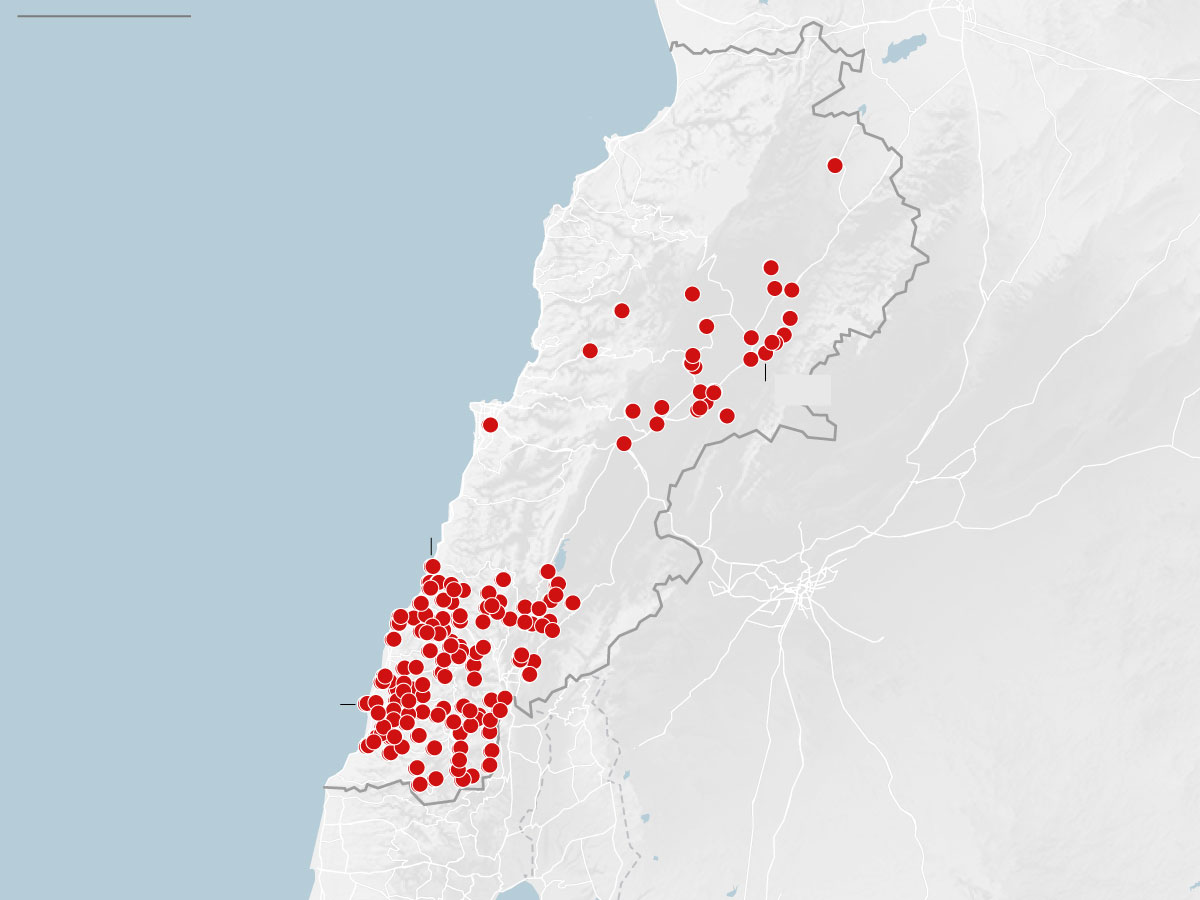
Israeli Prime Minister Benjamin Netanyahu has ordered an expansion of military operations in Southern Lebanon, aiming to stop rocket fire from Hezbollah. This decision comes at a sensitive time as tensions between Israel and Hezbollah are escalating, raising fears of a larger conflict in the region.
In his statements, Netanyahu emphasized that operations will continue until the desired objectives are achieved, indicating that Israel will not hesitate to take necessary measures to protect its national security. Recently, rocket attacks from Hezbollah have increased, prompting the Israeli government to take more stringent actions.
Details of the Military Operations
Reports indicate that military operations will include targeting Hezbollah's rocket launch sites, as well as bolstering the Israeli military presence along the border. This step reflects a new Israeli strategy aimed at deterring the group from continuing its attacks, which Israel considers a direct threat to its security.
Military sources have also reported that the Israeli army has prepared detailed plans to expand the scope of its operations, including the use of fighter jets and heavy artillery. This escalation follows a series of border incidents that have seen exchanges of fire between the two sides, further intensifying tensions.
Background & Context
Historically, the relationship between Israel and Hezbollah has seen increasing tensions since the 2006 war, during which the group has continued to enhance its military capabilities. Hezbollah is considered one of the most prominent armed factions in Lebanon, drawing strength from Iranian and Syrian support, making it a key player in the regional conflict.
In recent years, Hezbollah's military activities have increased, including the development of precision missiles capable of reaching deep into Israeli territory. This situation has prompted Israel to take preemptive actions, including airstrikes on Hezbollah positions in Syria, where these weapons are believed to be developed.
Impact & Consequences
The military escalation in Southern Lebanon could lead to serious repercussions for regional security. It could spark a new war between Israel and Hezbollah, which would affect stability in Lebanon and the entire region. Furthermore, any escalation could attract international interventions, particularly from the United States and Russia, both of which have strategic interests in the area.
Moreover, the military escalation could adversely impact the humanitarian situation in Lebanon, which is already suffering from economic and social crises. Any escalation could lead to mass displacement of populations and increase the suffering of civilians.
Regional Significance
This escalation comes at a sensitive time for the Arab region, where tensions are rising in several countries, including Syria and Iraq. Additionally, the escalation between Israel and Hezbollah could affect peace efforts in the region and complicate relations between Arab countries and Israel.
In conclusion, the situation in Lebanon could serve as a starting point for a larger conflict in the region, necessitating urgent actions from Arab states and the international community to mitigate escalation and ensure regional stability.