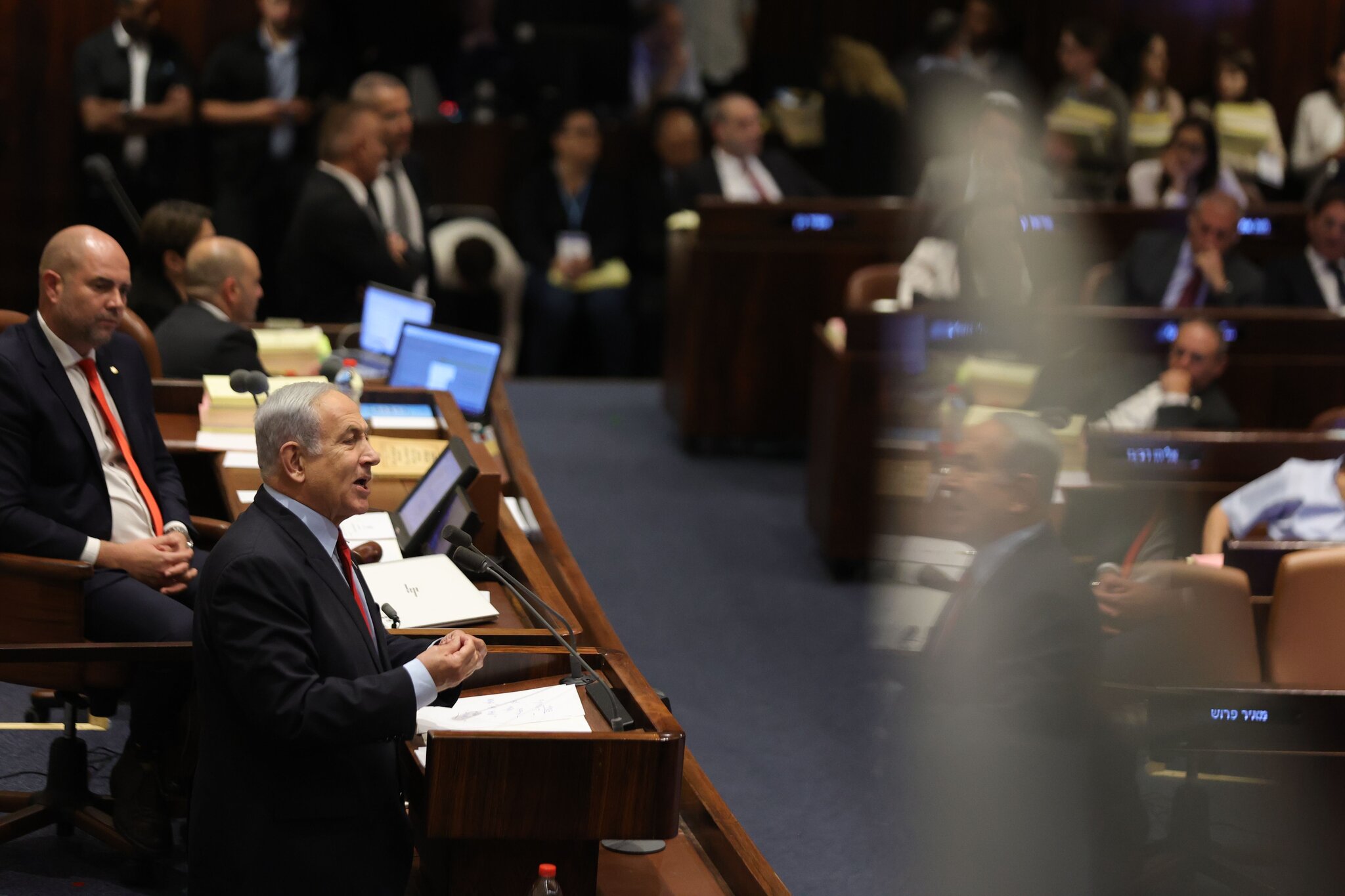
The Israeli government, led by Benjamin Netanyahu, has approved the 2026 budget, sparking widespread debate about its potential impact on the country's stability. This decision comes at a sensitive time as Israel faces increasing internal and external challenges. Many observers believe that this budget reflects the current government's trends, which seek to enhance its power at the expense of social and economic stability.
The new budget, which was passed in the Knesset, includes an increase in military spending and cuts to social programs. This direction has raised significant concern among citizens and analysts, who believe that these policies could exacerbate the economic and social crises in the country.
Details of the Budget Approval
The budget was approved after intense discussions in the Knesset, where several lawmakers objected to some of its provisions. The government, for its part, emphasized that this budget is essential to ensure national security and enhance military capabilities in light of increasing threats from hostile entities. However, criticisms are mounting from opposition parties that argue these policies harm citizens' interests.
Additionally, the budget includes plans to increase investments in infrastructure, which some view as a positive step, but they warn that the focus on military aspects may come at the expense of social and economic development.
Background & Context
Historically, Israel has witnessed increasing political and economic tensions, especially amid recurring security crises. Since Netanyahu took office, there have been repeated attempts to amend economic and social policies, leading to internal divisions. The new budget comes in the context of these tensions, as Netanyahu seeks to consolidate his power in the face of growing opposition.
In recent years, Israel has seen widespread protests against government policies, particularly regarding social and economic rights. This budget is considered a real test of the government's ability to handle these pressures.
Impact & Consequences
The swift passage of the budget could exacerbate social crises, as experts predict that unemployment and poverty rates in the country will rise. Furthermore, the emphasis on military spending may raise concerns within the international community, especially amid increasing tensions in the region.
The impact of these policies may extend to Israel's relations with neighboring countries, potentially escalating tensions. There are also fears that these policies could affect the peace process with the Palestinians, complicating the situation in the region.
Regional Significance
These developments come at a sensitive time for the Arab region, where many countries are grappling with internal and external crises. The Israeli focus on enhancing military capabilities could lead to heightened tensions in the region, affecting security and stability in neighboring countries.
Moreover, these policies could influence relations between Israel and Arab nations, especially amid some countries' attempts to normalize relations with Israel. The continuation of these policies could complicate peace efforts and intensify tensions in the region.
In conclusion, the passage of the 2026 budget by the Israeli government reflects concerning trends that may impact the stability of the state and the region as a whole. The international community must closely monitor these developments, as their outcomes could be far-reaching.