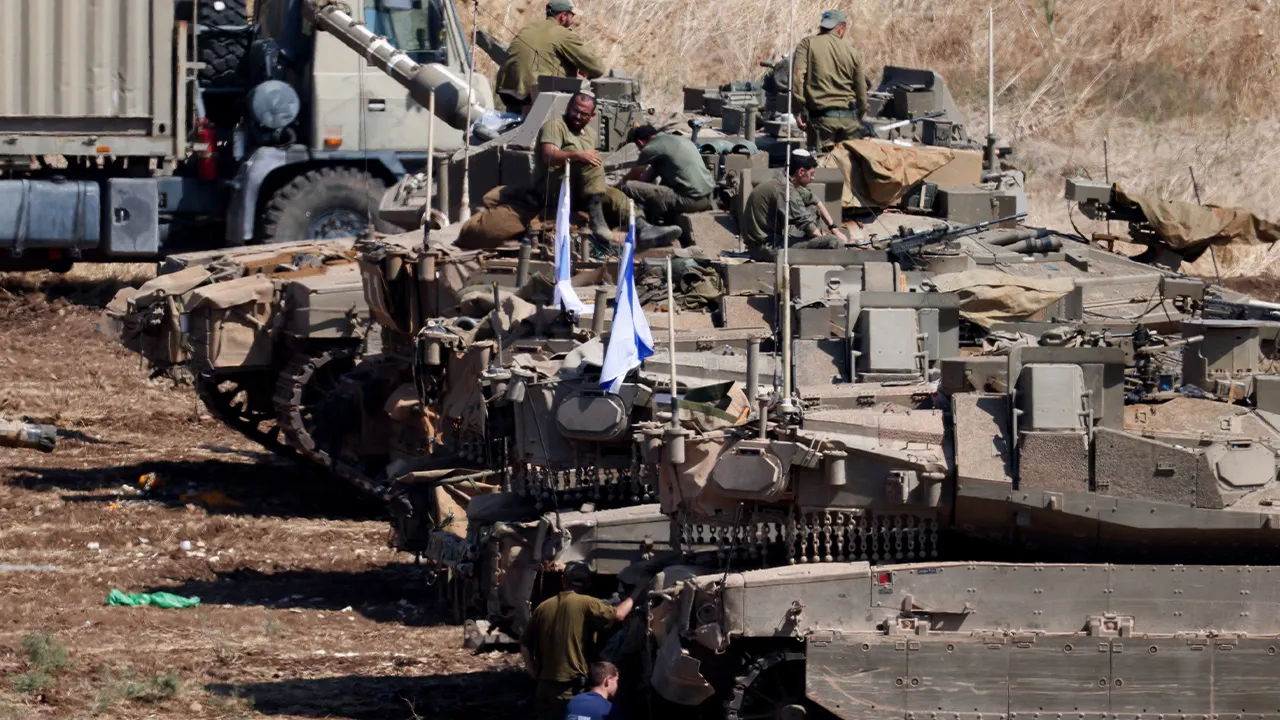
Reports indicate that Israeli forces have effectively begun their ground invasion of southern Lebanon, having crossed the border by more than 10 kilometers. This escalation occurs at a time when the security situation in the region is increasingly tense, causing alarm among Arab countries and the international community.
Information suggests that the Israeli ground invasion aims to achieve specific military objectives amid the ongoing conflict between Israel and Hezbollah. Israeli forces have been observed reinforcing their military presence along the border, reflecting a clear intention to carry out large-scale military operations.
Details of the Event
The Israeli military operations in southern Lebanon commenced following a series of intermittent clashes with Hezbollah. Aerial images have shown movements of Israeli tanks and military vehicles heading towards border areas, indicating a significant escalation in military operations.
These military movements come after a period of increasing tensions, during which both sides exchanged artillery fire and engaged in skirmishes. Local sources have confirmed that Israeli airstrikes targeted Hezbollah positions in various areas of southern Lebanon.
Background & Context
Historically, the Lebanese-Israeli border has experienced ongoing tensions, particularly since the 2006 war. That conflict marked a turning point in relations between the two sides, leading to the strengthening of Hezbollah's military capabilities. Since then, clashes and military operations have continued, making the area one of the most volatile regions in the Middle East.
These developments are part of a broader conflict involving regional and international powers, as Israel seeks to secure its borders from potential threats while Hezbollah aims to bolster its position as a resistance force in the region.
Impact & Consequences
Analysts predict that these military operations will lead to a greater escalation of the conflict, which could negatively impact regional security. The escalation may also prompt international interventions, as major powers are closely monitoring the situation.
Additionally, these operations may affect the humanitarian situation in Lebanon, where the population is already suffering from the effects of ongoing conflict. The number of displaced individuals is expected to rise, adding new burdens on the Lebanese government and the international community.
Regional Significance
These events serve as a wake-up call for Arab nations, reflecting the ongoing tensions in the region. Military escalations may lead to a reshaping of alliances in the Middle East, raising fears of new conflicts erupting.
In light of these circumstances, Arab countries must work to enhance dialogue and regional cooperation to avoid further escalation. There should also be international efforts to mediate the conflict and alleviate tensions.
The Israeli ground invasion of southern Lebanon represents a new phase in the ongoing conflict, necessitating a swift response from the international community and Arab nations to ensure the stability of the region.