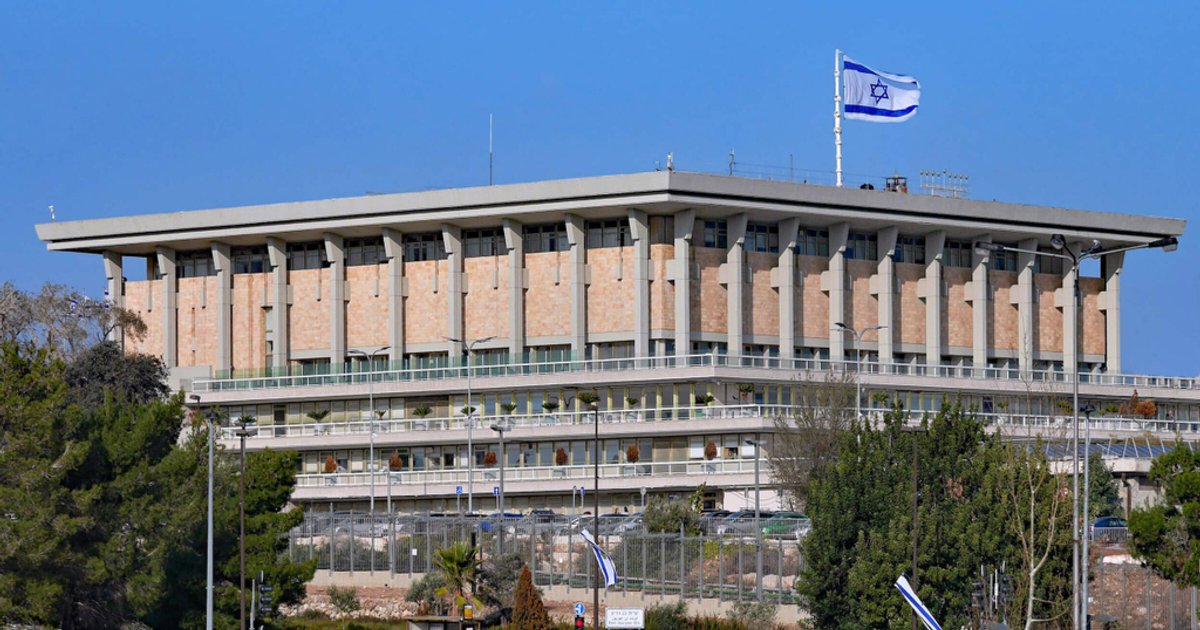
The Israeli Knesset has recently passed a law allowing the imposition of the death penalty on those convicted of terrorist attacks, a decision that reflects a radical shift in the policies of the Israeli right. This law comes at a time when security tensions are escalating in the Palestinian territories, raising significant concerns in international circles.
The new law, which was passed with a substantial majority, aims to tighten penalties on those deemed terrorists, reflecting an increasing trend towards adopting stricter measures in combating violence. This decision is considered part of the current Israeli government's policy, led by the far-right, which seeks to enhance security through harsh measures.
Details of the Law's Approval
The law was approved during a special session of the Knesset, where it was supported by right-wing and far-right parties, while leftist parties opposed it. The law allows for the death penalty to be imposed on those convicted of attacks that resulted in the death of Israelis, raising questions about its application under international laws and human rights.
This move comes at a time when Israel is witnessing an increase in Palestinian attacks, which intensifies pressure on the government to take stringent actions. This new policy could represent a turning point in how Israel deals with the Palestinian conflict, as it may lead to an escalation of violence and worsen humanitarian conditions in the occupied territories.
Background & Context
Historically, the death penalty has been a controversial topic in Israel, applied in very rare cases, such as the trial of Adolf Eichmann. However, the rise in violence and terrorism in recent years has prompted some political parties to call for stricter penalties, reviving this debate.
This law is seen as part of the current Israeli government's strategy to enhance security through harsh measures. Polls have shown increasing public support for the idea of imposing the death penalty, especially in light of deteriorating security conditions.
Impact & Consequences
This law could have far-reaching implications for the Israeli-Palestinian conflict, potentially leading to an escalation of violence from both sides. Furthermore, the imposition of the death penalty may provoke strong reactions from the international community, which may view it as a violation of human rights.
Moreover, this law could affect Israel's relations with Western countries, which may oppose such harsh policies. This could lead to increased pressure on the Israeli government to ease security measures.
Regional Significance
This law represents a turning point in how Israel handles the Palestinian conflict and may directly impact conditions in the occupied territories. The escalation of violence could exacerbate humanitarian conditions, increasing the suffering of Palestinians and complicating peace efforts in the region.
Ultimately, this law illustrates how Israeli domestic policies can affect security and stability in the region, necessitating close monitoring by the international community.