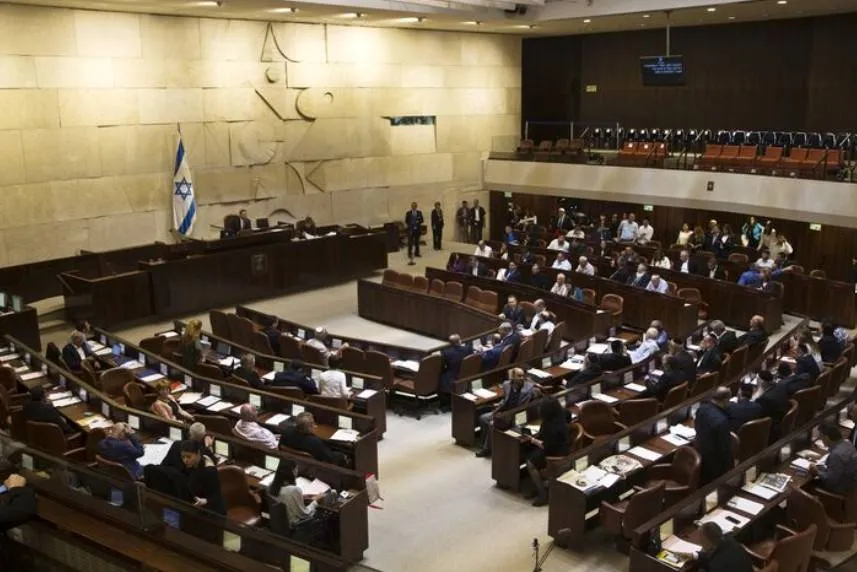
On Sunday evening, the Israeli parliament (Knesset) voted on the 2026 budget, which includes a massive increase in military spending. This move comes at a time when Tel Aviv is grappling with rising regional tensions and an ongoing war on several fronts.
The Israeli defense budget is expected to rise by approximately 10 billion dollars, more than doubling compared to the 2023 budget, prior to the outbreak of war in the Gaza Strip following the surprise attack by Hamas on southern Israel. Since then, Israeli military spending has not ceased.
Details of the Event
On February 28, Israel and the United States launched a joint attack on Iran, escalating tensions in the region. Lebanon was drawn into the conflict following Hezbollah's intervention after the death of Iranian leader Ali Khamenei. On March 15, Israeli media reported that the government approved an emergency allocation of 827 million dollars for purchasing weapons related to the ongoing war, due to urgent needs arising from the new conflict.
This significant increase in defense spending is expected to result in a 3% reduction in budgets for all other ministries, such as education, health, and social services. The government of Prime Minister Benjamin Netanyahu, whose survival depends on support from extreme and religious allies close to settlers, also approved a substantial increase in funds allocated exclusively to them.
Background & Context
This budget comes amid escalating regional tensions, as Israel continues to face threats from multiple fronts, including from Iran and its allies in the region. Reports indicate that the Israeli government is working to enhance its military capabilities under the current circumstances, reflecting its concern over the increasing threats.
Despite the significant cuts imposed by the government on civilian budgets, funding for settlements remains unchanged, according to a report by the Israeli peace movement Peace Now, which described these measures as "an outright theft of public funds for the benefit of a small group within the government base."
Impact & Consequences
This budget indicates a significant shift in the priorities of the Israeli government, as massive resources are allocated for military spending at the expense of civilian sectors. This could exacerbate social and economic conditions in Israel, significantly affecting education and health services.
Moreover, this increase in military spending may escalate tensions with Palestinians and neighboring countries, raising the likelihood of further conflicts in the region. The Israeli government appears to be preparing for a long-term confrontation, suggesting that the situation in the region may remain tense for an extended period.
Regional Significance
These developments directly impact conditions in the Arab region, as Israel continues to bolster its military capabilities amid rising tensions. This may increase pressure on neighboring Arab countries and contribute to escalating existing conflicts.
Furthermore, this budget reflects the current Israeli government's tendencies, which prefer to focus on military aspects rather than addressing social and economic issues, potentially increasing polarization in the region.
In conclusion, the new budget of the Israeli Knesset reflects the current government's priorities amid tense conditions, signaling further escalation in the region and impacting social and economic conditions in Israel.