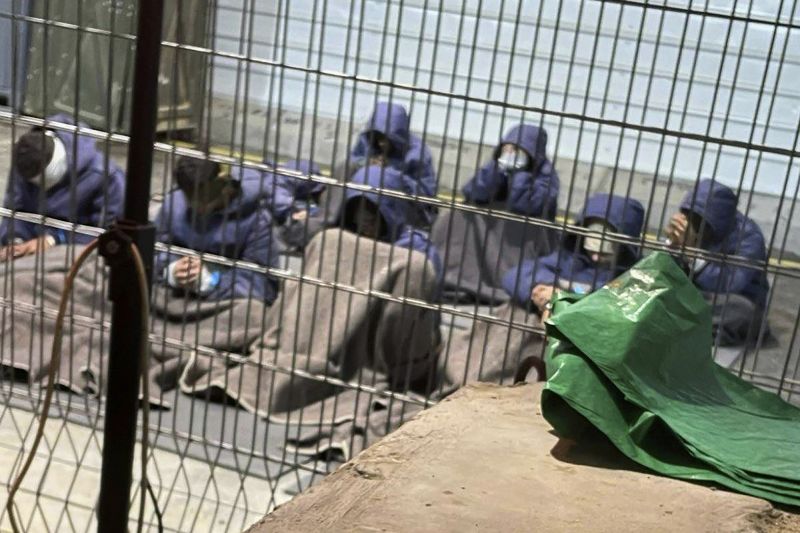
The Council of Senior Scholars has stated that the approval of a law by the occupying entity that permits the killing of Palestinian prisoners represents a form of legitimizing ethnic cleansing. This announcement comes at a sensitive time when the Palestinian territories are witnessing an escalation in Israeli violations, raising alarms within the international community.
The new law, recently enacted, allows Israeli authorities to take harsh measures against prisoners, reflecting a systematic policy aimed at undermining Palestinian identity and the rights of the Palestinian people. This action is considered part of a broader strategy to reinforce Israeli control over the occupied territories.
Details of the Event
In a controversial move, the Israeli Knesset has ratified a law that permits the killing of Palestinian prisoners, raising questions about Israel's commitment to international laws and human rights. This decision followed a series of events that saw an escalation in military operations against Palestinians, with the Council of Senior Scholars deeming this law a blatant violation of international laws.
The Council emphasized that this law is not merely a legal measure but part of a systematic policy aimed at erasing Palestinian existence and their fundamental rights. This development reflects the increasing risks facing the Palestinian cause amid the absence of any effective international action to halt Israeli violations.
Background & Context
Historically, the Palestinian territories have witnessed numerous Israeli violations, including arbitrary arrests, extrajudicial killings, and ethnic cleansing. These violations have notably escalated in recent years, exacerbating the humanitarian situation in the occupied areas.
Legislation that legitimizes such violations is not new; however, the enactment of a law allowing the killing of prisoners is an unprecedented step in the history of the Palestinian-Israeli conflict. This law reflects the extremist tendencies within the current Israeli government, which seeks to reinforce control over Palestinian lands at any cost.
Impact & Consequences
The approval of this law may lead to an escalation of violence in the region, with Palestinians expected to respond to these violations through various means. Additionally, this law could contribute to heightened tensions between Israel and Palestinians, potentially leading to new confrontations.
Moreover, this law may negatively impact Israel's relations with the international community, as Israel is likely to face severe criticism from human rights organizations and countries advocating for the respect of human rights. This could increase pressure on the Israeli government to halt these policies.
Regional Significance
This development affects not only Palestinians but also reflects on the regional situation as a whole. The Israeli escalation may lead to a deterioration of relations between Arab countries and Israel, especially in light of normalization agreements with some Arab states.
Furthermore, this law may provoke strong reactions from Arab populations, who are closely monitoring developments in the Palestinian cause. Calls for solidarity with Palestinians in the face of these violations are expected to increase, potentially bringing the Palestinian issue back to the forefront of Arab and international attention.
In conclusion, the enactment of this law represents a dangerous step in the trajectory of the Palestinian-Israeli conflict, reflecting the significant challenges facing the Palestinian cause amid escalating Israeli violations. The current situation requires urgent international action to halt these violations and protect the rights of Palestinians.