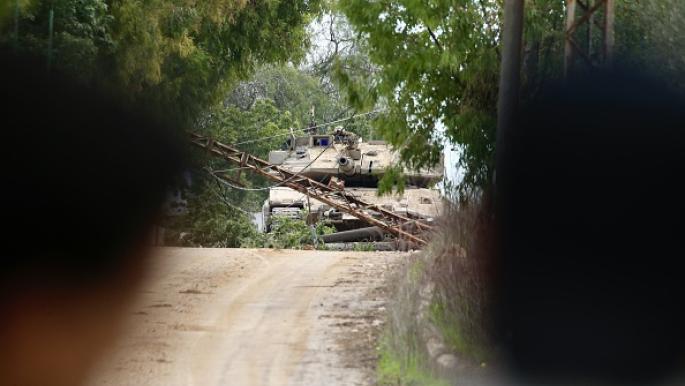
A soldier from the United Nations peacekeeping forces was killed in Adchit el-Qusayr amidst rising military tensions on the Lebanese front. This incident reflects Israel's efforts to redefine the rules of engagement in the region. The event comes at a sensitive time as Israel seeks to separate the Lebanese front from the broader conflict with Iran, complicating the security situation in the area.
Recent Israeli military movements indicate a new strategy aimed at reducing escalation on the Lebanese front while continuing operations in other areas. This escalation occurs amid increasing tensions between the involved parties, raising concerns about the potential for further deterioration of the situation.
Details of the Incident
According to local sources, the soldier who was killed was part of the United Nations peacekeeping forces, known as UNIFIL, which monitors the border between Lebanon and Israel. The incident occurred during a routine patrol when the forces came under fire from an unknown source. This incident marks the first of its kind in a long time, raising fears of escalating violence in the region.
It is important to note that the peacekeeping forces in Lebanon, known as UNIFIL, play a crucial role in maintaining stability in the region and have faced numerous challenges in recent years due to rising tensions between Israel and Hezbollah. This incident may increase pressure on these forces and raises questions about their ability to carry out their missions under the current circumstances.
Background & Context
Historically, the Lebanese-Israeli border has witnessed ongoing tensions, with the area serving as a theater for several military conflicts. Since 2006, when the Second Lebanon War broke out, the situation has become more complex, with Hezbollah emerging as a major military force in Lebanon. Since then, there have been numerous attempts to restore stability to the region, but these efforts have often faced significant obstacles.
In recent years, Israeli military activities in the region have increased as Israel seeks to prevent any potential threats from Hezbollah or other armed groups. This military escalation occurs within a broader context of regional conflict, where Iranian interests and those of its allies intersect with the situations in Lebanon and Syria.
Impact & Consequences
The killing of the peacekeeping soldier may have significant implications for the security situation in Lebanon. This incident could lead to heightened tensions between Israel and Hezbollah, potentially opening the door for further military escalation. Additionally, this incident may affect the role of peacekeeping forces, which may find themselves in a difficult position between maintaining security and avoiding escalation.
Furthermore, this incident could impact international relations, as the United Nations may face increased pressure from member states to respond strongly to the military escalation in the region. This could lead to greater divisions among the involved countries and complicate peace efforts in the area.
Regional Significance
Events in Lebanon have direct implications for the situation in the Arab region. Rising tensions in Lebanon may affect the stability of neighboring countries, such as Syria and Palestine. Any military escalation could lead to an influx of refugees into neighboring countries, increasing the humanitarian and economic burdens on these nations.
In a broader context, events in Lebanon may prompt Arab countries to reassess their military and political strategies as each nation seeks to protect its interests amid changing circumstances. This incident could serve as a wake-up call for Arab nations regarding the necessity of enhancing security and political cooperation to face common challenges.
In conclusion, the situation in Lebanon remains under close observation, with expectations that tensions will continue to rise. The killing of the peacekeeping soldier highlights the increasing risks in the region and underscores the urgent need for effective diplomatic efforts to achieve stability and peace.