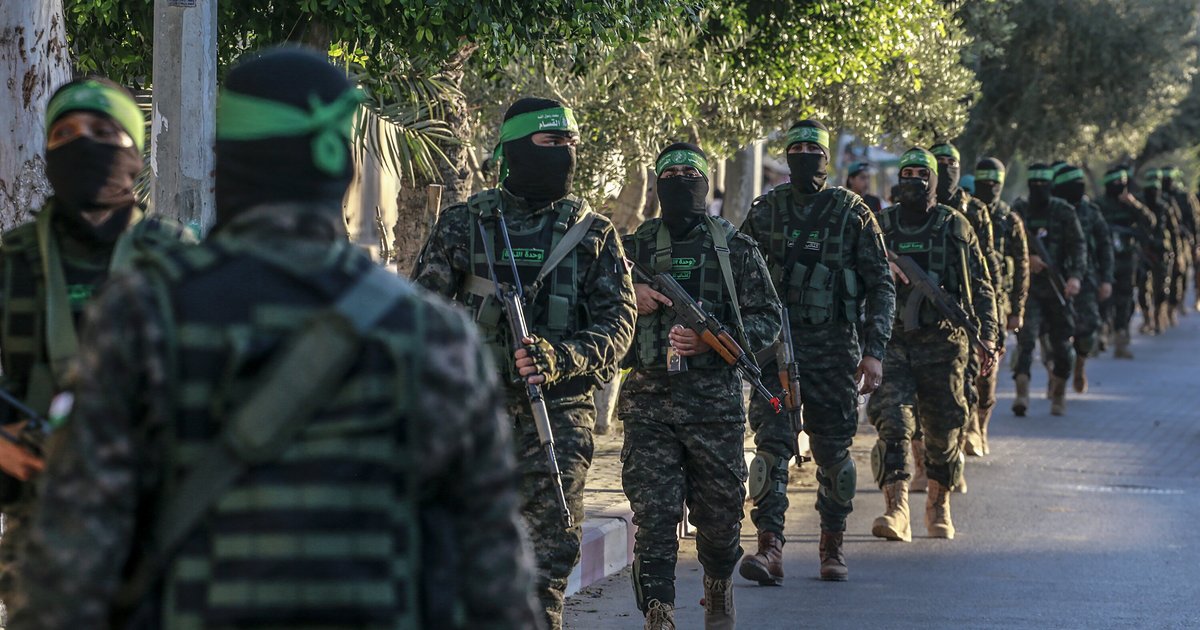
The tense situation in the Gaza Strip persists as Israeli occupation forces carry out violent military attacks, resulting in casualties and significant material losses. These escalations come at a time when negotiations aimed at developing a ceasefire agreement are clearly stalled, exacerbating the humanitarian situation in the region.
In this context, a source within the Islamic Resistance Movement Hamas reported that Israel seeks to achieve specific objectives through this escalation, particularly following the assassination of the son of the movement's leader in Gaza, Khalil Al-Hayya. This assassination is considered a painful blow to the movement and reflects the rising tensions in the area.
Details of the Incident
Reports indicate that recent Israeli attacks targeted various areas in Gaza, leading to the destruction of homes and civilian facilities. Local sources have noted an increase in casualties, with injuries reported among civilians, including children and women. These attacks come at a sensitive time, as negotiations for a ceasefire were expected to resume, but the military escalation has prevented that from happening.
The Hamas source also confirmed that the movement has taken stringent security precautions for its leaders both inside and outside Gaza, in light of ongoing threats from the occupation. These measures include enhancing personal protection and distributing tasks in a way that ensures the safety of the leaders.
Background & Context
Historically, the Gaza Strip has witnessed repeated military escalations between the Israeli occupation and Hamas, with confrontations renewing at certain times due to political or military events. Since 2007, when Hamas took control of the territory, Gaza has become a battleground for ongoing conflict, significantly affecting the daily lives of its residents.
It is noteworthy that the humanitarian situation in Gaza has deteriorated significantly due to the ongoing blockade and military operations, with residents suffering from acute shortages of essential resources such as water and electricity. This situation makes it difficult for any diplomatic efforts to achieve tangible results.
Impact & Consequences
The recent military escalation may exacerbate the humanitarian conditions in Gaza, increasing the suffering of the population living under the pressure of the blockade and military operations. Additionally, the assassination of Khalil Al-Hayya's son may impact the morale of Hamas, potentially prompting the movement to take more aggressive steps in response to Israeli attacks.
Regionally, this escalation could affect relations between Israel and Arab countries, especially with the growing calls for a ceasefire and humanitarian assistance. The continuation of violence may hinder any peace efforts in the region, further increasing instability.
Regional Significance
The events in Gaza have wide-ranging implications for the Arab region, as the Palestinian issue remains one of the most significant matters affecting relations between Arab countries and Israel. The military escalation could lead to renewed protests in Arab nations, where citizens express solidarity with the Palestinian people.
Furthermore, the situation in Gaza may influence the domestic policies of Arab countries, as some political forces could exploit these events to bolster their positions. Ultimately, the Palestinian issue remains a focal point of Arab concern and requires genuine international efforts to achieve peace and stability in the region.