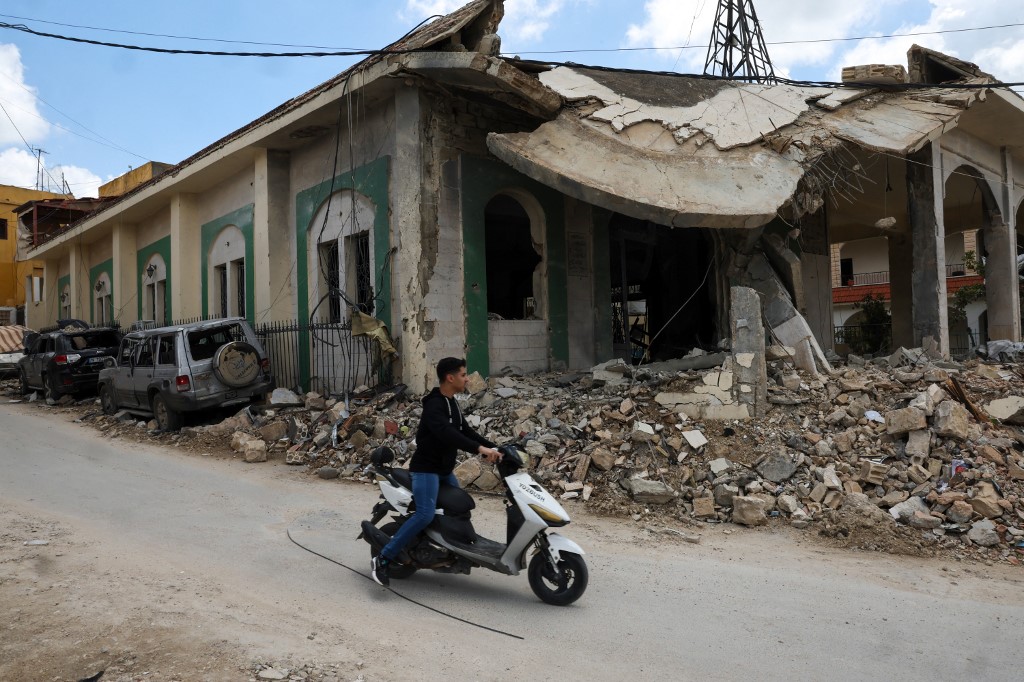
Israeli forces executed airstrikes and artillery bombardments in southern Lebanon, claiming to target Hezbollah fighters and weapon storage sites. Israeli military sources confirmed that the strikes aimed at rocket launch platforms and storage facilities, marking a clear escalation of tensions despite the declared ceasefire.
Earlier, Hezbollah announced that it had launched attacks on Israeli forces within Lebanese territory, including a rescue unit sent to evacuate soldiers. These developments occur amid mutual accusations from both sides of violating the ceasefire reached through U.S. mediation on April 16, which was extended until mid-May.
Details of the Incident
Reports indicate that Israeli airstrikes targeted specific areas in southern Lebanon, where it is believed Hezbollah possesses weapon caches and rocket launch platforms. These strikes have heightened tensions in the region, with both parties exchanging accusations of ceasefire violations. An Israeli army spokesperson noted that the military operations aim to undermine Hezbollah's military capabilities.
On the other hand, Hezbollah affirmed that it will continue to defend its territory, stating that Israeli attacks will not go unanswered. The Lebanese government expressed concern over the escalation, calling for respect for the ceasefire and an end to hostilities.
Background & Context
Historically, the Lebanese-Israeli border has experienced ongoing tensions, with several wars and conflicts between the two sides, most notably the 2006 war. Since then, international parties, including the United States, have attempted to mediate ceasefire agreements, but tensions remain high.
The current ceasefire, reached in April, followed a significant escalation in hostilities, with both sides exchanging bombardments. However, the continued violations from both parties raise concerns about the potential for renewed conflict.
Impact & Consequences
These developments could lead to greater escalation in the region, as any military escalation may draw other countries into the conflict, especially with intertwined regional and international interests. Additionally, the ongoing tensions could affect internal stability in Lebanon, which is already suffering from severe economic and political crises.
Moreover, military escalation could impact relations between Lebanon and Western countries, which advocate for stability in the region. There are also fears that this situation could lead to an influx of more refugees into neighboring countries.
Regional Significance
These events are significant for Arab countries, as the ongoing tensions between Israel and Hezbollah reflect the impacts of the Israeli-Palestinian conflict. Furthermore, any escalation in Lebanon may have repercussions on the situation in Syria, which continues to suffer from the effects of civil war.
Ultimately, the situation in southern Lebanon remains under global scrutiny, as everyone watches how events unfold amid ongoing tensions and mutual accusations between the two sides.