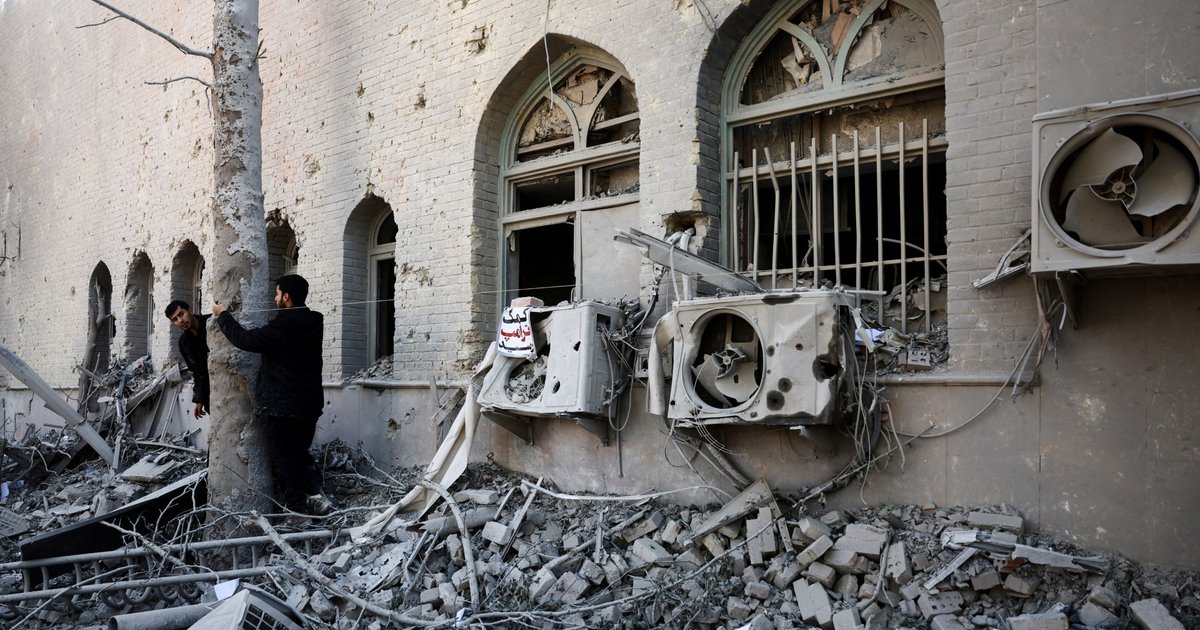
Israeli forces have bombarded the town of Brachit in southern Lebanon, according to reports from the Lebanese channel Al-Jadeed, in a clear escalation following statements indicating that the ceasefire between the United States and Iran does not encompass the Lebanese front. The attack came after confirmation from the office of Israeli Prime Minister Benjamin Netanyahu that the truce does not include fighting with Hezbollah.
Netanyahu's remarks come at a sensitive time, as the international community seeks to stabilize the region following a series of armed conflicts. The Prime Minister of Pakistan, Shehbaz Sharif, who has contributed to mediating the agreement, noted that the deal stipulates an immediate ceasefire in all areas, including Lebanon.
Details of the Attack
The Israeli assault on Brachit represents an escalation in the existing tensions between Israel and Hezbollah, with the region recently witnessing an uptick in military activities. This attack follows a period of relative calm, raising concerns about the potential for renewed conflict in southern Lebanon.
On the other hand, this escalation reflects a lack of consensus among the involved parties regarding the terms of the ceasefire, as Israel appears to be steadfast in its position of excluding Hezbollah from any truce agreement. This stance could lead to further escalation in military confrontations between the two sides.
Background & Context
Historically, the Lebanese-Israeli border has been a theater for clashes and disputes, with Hezbollah being one of the most prominent armed factions resisting Israeli occupation. Since the 2006 war, the region has experienced recurring tensions, with each side seeking to bolster its military and political position.
Recently, fears have increased regarding the escalation of conflict in the area, especially with the growing international pressure on both Iran and Israel. These pressures could lead to changes in regional dynamics, further complicating the situation in Lebanon.
Impact & Consequences
The military escalation in southern Lebanon could have significant implications for regional stability. If military operations continue, this may result in mass displacement of populations and exacerbate the suffering of civilians in the area. Furthermore, ongoing fighting could impact peace efforts being pursued by international powers.
Moreover, this escalation could lead to external interventions, as countries like the United States and Iran may seek to enhance their presence in the region, complicating the security situation even further.
Regional Significance
This escalation reflects the ongoing tensions in the region and its impact on international peace efforts. The situation remains precarious, with the potential for broader conflict that could involve multiple stakeholders.
In conclusion, the recent military actions highlight the fragility of the ceasefire agreements and the urgent need for diplomatic solutions to prevent further escalation and ensure the safety of civilians caught in the conflict.