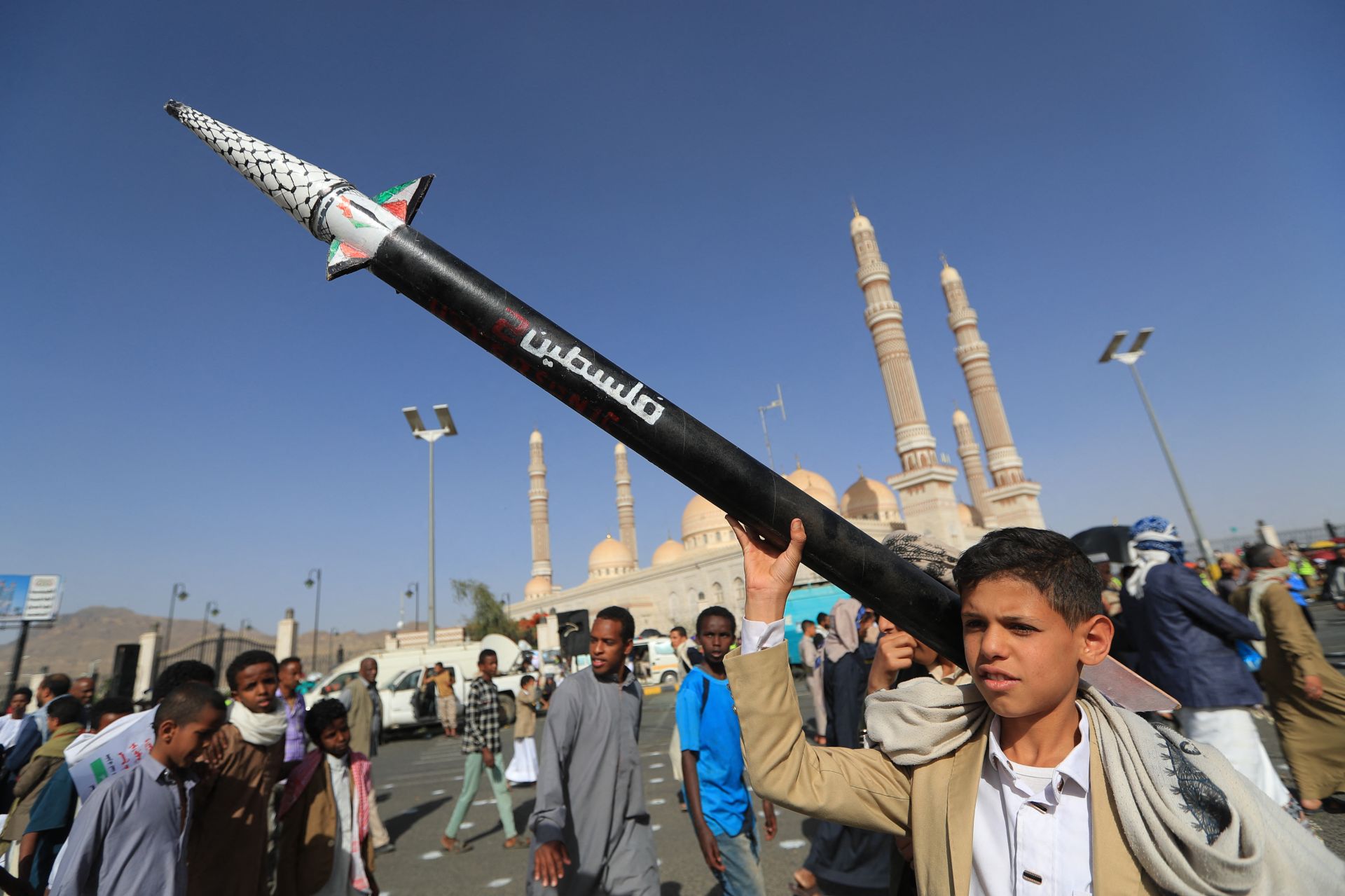
The Israeli military announced on Sunday that it is intercepting a missile launched from Yemen, following the Houthis' entry into the conflict. The military confirmed that air defense systems are working to counter this threat.
In an official statement, the Israeli military clarified that it detected the missile launch from Yemeni territory towards Israeli lands, indicating that defensive operations are underway to ensure the safety of citizens. This announcement comes at a time when the security situation in the region is witnessing a notable escalation, with increasing tensions among various parties involved in the conflict.
Details of the Incident
The missile launch was detected early this morning, with initial reports indicating that the missile was targeting areas in southern Israel. Israeli air defense systems, including the Iron Dome, were activated to intercept the missile before it could reach its targets. No reports of injuries or material damage have been received so far.
This attack comes just one day after the Houthis announced their official entry into the war, complicating the situation in the region further. The Houthis, who receive military and logistical support from Iran, may have decided to expand their military operations to include Israeli targets, which is considered a serious escalation in the regional conflict.
Background & Context
Historically, relations between Israel and Iran have seen increasing tensions, especially in recent years. The Houthis, who control large parts of Yemen, have previously used missiles and drones to target Saudi Arabia, but this is the first time they have directly targeted Israel.
This attack is part of a broader strategy by Iran and its allies in the region, seeking to increase pressure on Israel from multiple fronts. In recent years, Iran has intensified its support for the Houthis, exacerbating the conflict in Yemen and its impact on regional security.
Impact & Consequences
This attack could lead to greater military escalation in the region, as Israel is likely to respond with military strikes against Houthi positions in Yemen. Such escalation could open a new front in the conflict, complicating security situations in the Middle East.
Moreover, this attack may affect relations between Arab states and Iran, potentially leading to further divisions in positions towards Tehran and its support for the Houthis. Arab countries concerned about Iranian influence may find themselves compelled to take a firmer stance against this threat.
Regional Significance
Amid escalating tensions, regional security may be significantly affected. Repeated attacks by the Houthis could lead to increased military readiness in Gulf states, which may negatively impact economic and political stability in the region.
This escalation could also contribute to heightened sectarian rhetoric in the area, as some parties may exploit this situation to fuel existing conflicts. It is crucial for Arab states to remain united in facing this threat and to work on enhancing security cooperation among themselves.
The recent escalation between the Houthis and Israel reflects the complex situation in the Middle East, indicating that conditions may trend towards further tensions. The international community must take urgent steps to contain this escalation and prevent worsening conditions.