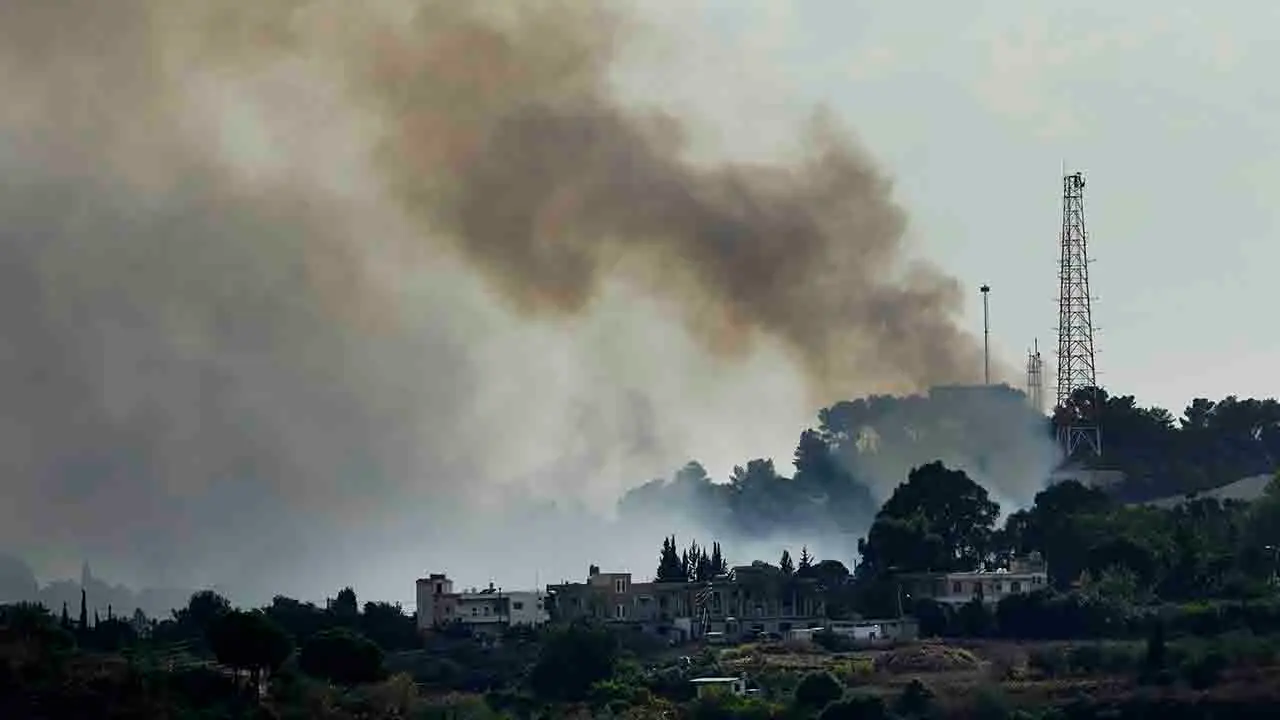
Israeli Security Minister Yoav Kats has vowed to demolish homes in Lebanese villages near the border, likening it to what happened in Rafah and Beit Hanoun in Gaza. These statements come at a sensitive time, as tensions between Israel and Hezbollah are rising, raising fears of a potential military escalation in the region.
During a press conference, Kats confirmed that the Israeli occupation army is prepared to take strict measures against any threats emanating from Lebanese territory. He indicated that these measures could include demolishing homes that are considered safe havens for Hezbollah members, which has raised widespread concern in the international community about the implications of this step on civilians.
Details of the Event
Kats' statements come in the context of escalating Israeli military operations in Gaza, where the region has witnessed a notable increase in hostilities in recent days. Kats deemed these steps necessary to ensure Israel's security, stating that the Israeli government would not hesitate to take any actions to protect its citizens.
At the same time, warnings have increased from human rights organizations expressing concern over the potential impact of these statements on civilians in Lebanon. These organizations have confirmed that demolishing homes could lead to the displacement of many families, exacerbating the humanitarian situation in the region.
Background & Context
Historically, the Lebanese-Israeli border has experienced ongoing tensions, especially with the presence of Hezbollah, which the Israeli occupation considers a security threat. Demolitions have been repeated in the past as part of the Israeli military strategy, leading to widespread international criticism.
These statements come at a sensitive time, as fears of military escalation that could lead to a broader conflict in the region are increasing. Recent years have seen several rounds of escalation between Israel and Hezbollah, complicating the situation in Lebanon further.
Impact & Consequences
If Kats' threats are carried out, it could worsen the humanitarian conditions in Lebanon, where many residents are already suffering from difficult living conditions. Additionally, this step could provoke strong reactions from the international community, which may view it as a violation of human rights.
Furthermore, these statements could affect Israel's relations with Arab countries, where calls are increasing to pressure Israel to stop its violations. Such pressures could strengthen regional alliances against Israel, further complicating the situation in the Middle East.
Regional Significance
Kats' statements represent part of a broader strategy aimed at enhancing Israeli control over the border, raising concerns among neighboring Arab countries. These statements could escalate tensions in the region, negatively impacting regional security and stability.
In conclusion, the question remains as to how the international community will respond to these threats and whether they will lead to diplomatic moves to halt the escalation. The situations in Lebanon and Israel remain sensitive and require urgent international attention to ensure the protection of civilians and avoid further escalation.