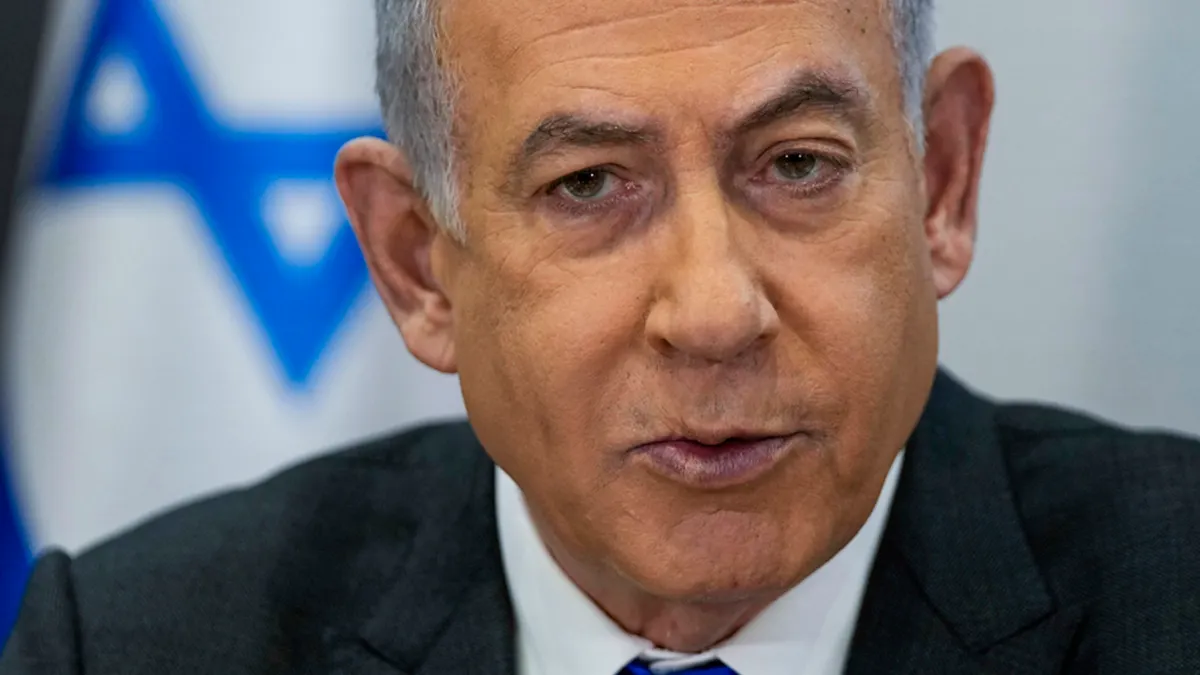
The Israeli parliament has passed a new budget, providing Prime Minister Benjamin Netanyahu with a chance to avoid early elections. This decision follows weeks of intense political discussions, where the future of the Israeli government was at stake due to internal and external tensions.
The budget, which was approved by a majority, reflects Netanyahu's efforts to stabilize his government, which faces significant challenges, including economic and social crises. The budget was voted on after intensive negotiations among various political parties, highlighting the deep divisions in the Israeli political landscape.
Details of the Budget Approval
The budget was approved by a narrow margin of 61 votes to 59, reflecting the polarized political climate in the Knesset. Netanyahu indicated that this budget would help strengthen the Israeli economy and provide more opportunities for citizens. He also emphasized the importance of governmental stability under the current circumstances.
The budget includes an increase in defense spending, as well as investments in infrastructure and education. This move may represent an attempt by the government to bolster voter confidence, especially in light of the security challenges facing Israel.
Background & Context
Historically, Israel has experienced numerous early elections due to political instability. The last elections were held in 2022, resulting in the formation of a fragile coalition government. Since then, the government has faced significant challenges, including public protests against Netanyahu's policies, increasing pressure on his leadership.
This budget comes at a sensitive time, as Netanyahu seeks to strengthen his position following a series of political crises. The tense regional situation, particularly with rising tensions with the Palestinians, further underscores the importance of internal stability.
Impact & Consequences
The passage of the budget may grant Netanyahu a period of stability, but it does not resolve all the issues facing his government. Economic and social challenges remain, which could affect his popularity in the future. Additionally, the opposition remains strong and may capitalize on any missteps in budget implementation to criticize the government.
Moreover, political stability in Israel has direct implications for the region. Tensions between Israel and the Palestinians could escalate if unresolved issues are not effectively addressed, potentially leading to renewed unrest.
Regional Significance
The stability of the Israeli government poses a challenge for many Arab countries, as any escalation in the situation could impact regional security. The continuation of the current government may also mean the persistence of policies that many Arab nations view as unjust towards the Palestinians.
Ultimately, the question remains about Netanyahu's ability to maintain stability in his government, especially amid internal and external pressures. The political future of Israel may hinge on how effectively this budget is implemented and its responsiveness to ongoing challenges.