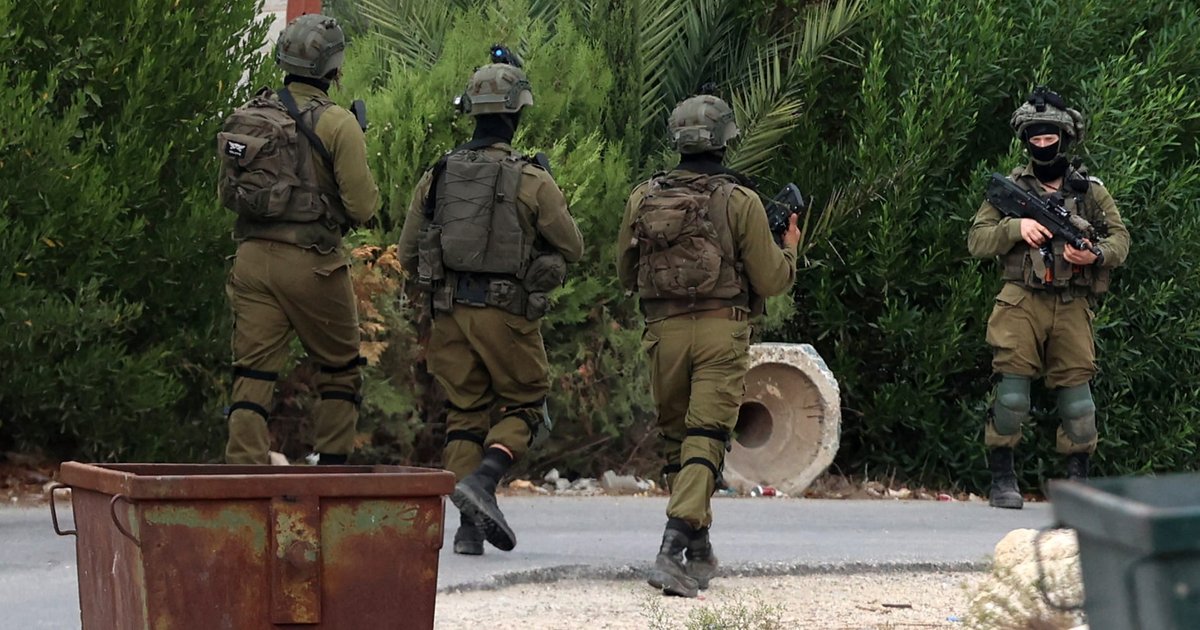
In a serious incident reflecting the increasing tension at the Lebanese border, the Israeli army announced the death of a settler due to friendly fire. The incident occurred during intense clashes between its forces and Hezbollah militants, raising fears of a larger escalation in the area.
The incident, which took place near Masgav Am, comes at a time when Hezbollah forces had claimed responsibility for attacks in the same area, while the Israeli army denied any connection between the incident and any missile attack from Hezbollah. The army clarified in an official statement that it is investigating the circumstances of the incident, indicating that the settler's death may have resulted from fire from its own elements.
Details of the Incident
Reports indicated that the vehicle carrying the settler was directly hit yesterday morning, leading to his immediate death. Following this, Hezbollah announced that it had conducted a military operation targeting Israeli soldiers in the area, reflecting the party's escalating strategy in response to repeated Israeli attacks.
Clashes have notably intensified in recent days, with renewed reciprocal attacks affecting both sides' territories. These events confirm the state of mutual military mobilization between Israel and Hezbollah, amid fears of a larger escalation that could endanger more civilian lives.
Background & Context
The border between Lebanon and Israel has been experiencing increasing tensions since Israel conducted intensive military operations in the southern suburbs of Beirut. This military campaign was a response to repeated attacks from Hezbollah, the first of which occurred on March 2, when the party began targeting Israeli military sites as a reaction to ongoing assaults.
It is noteworthy that the last ceasefire was signed on November 27, 2024, and since then, Israeli incursions into Lebanese territory have increased, with Israeli authorities adopting strategies aimed at securing the border by demolishing border villages, adhering to a 'Rafah' model to depopulate the area.
Impact & Consequences
These events indicate the potential for a greater military escalation in the region, as clashes could deteriorate humanitarian conditions in border areas. Additionally, rising tensions may directly affect relations between Arab countries and Israel, particularly in light of the regional economic and political tensions.
This escalation could encourage regional and international powers to intervene in an attempt to slow the pace of events, but such efforts may face difficulties in making an impact amid the charged atmosphere from all sides.
Regional Significance
The importance of these events cannot be understated as they signal a larger conflict in the region; the escalation of the dispute between Israel and Hezbollah could have repercussions that extend beyond borders. Neighboring Arab countries, including Syria, Lebanon, and Palestine, will inevitably be affected by the increase in military operations and reciprocal attacks, complicating the regional security situation.
In conclusion, the current escalation serves as a warning to all that the region remains in a state of tension, and that peace and stability are still far from reach amidst ongoing deep crises.