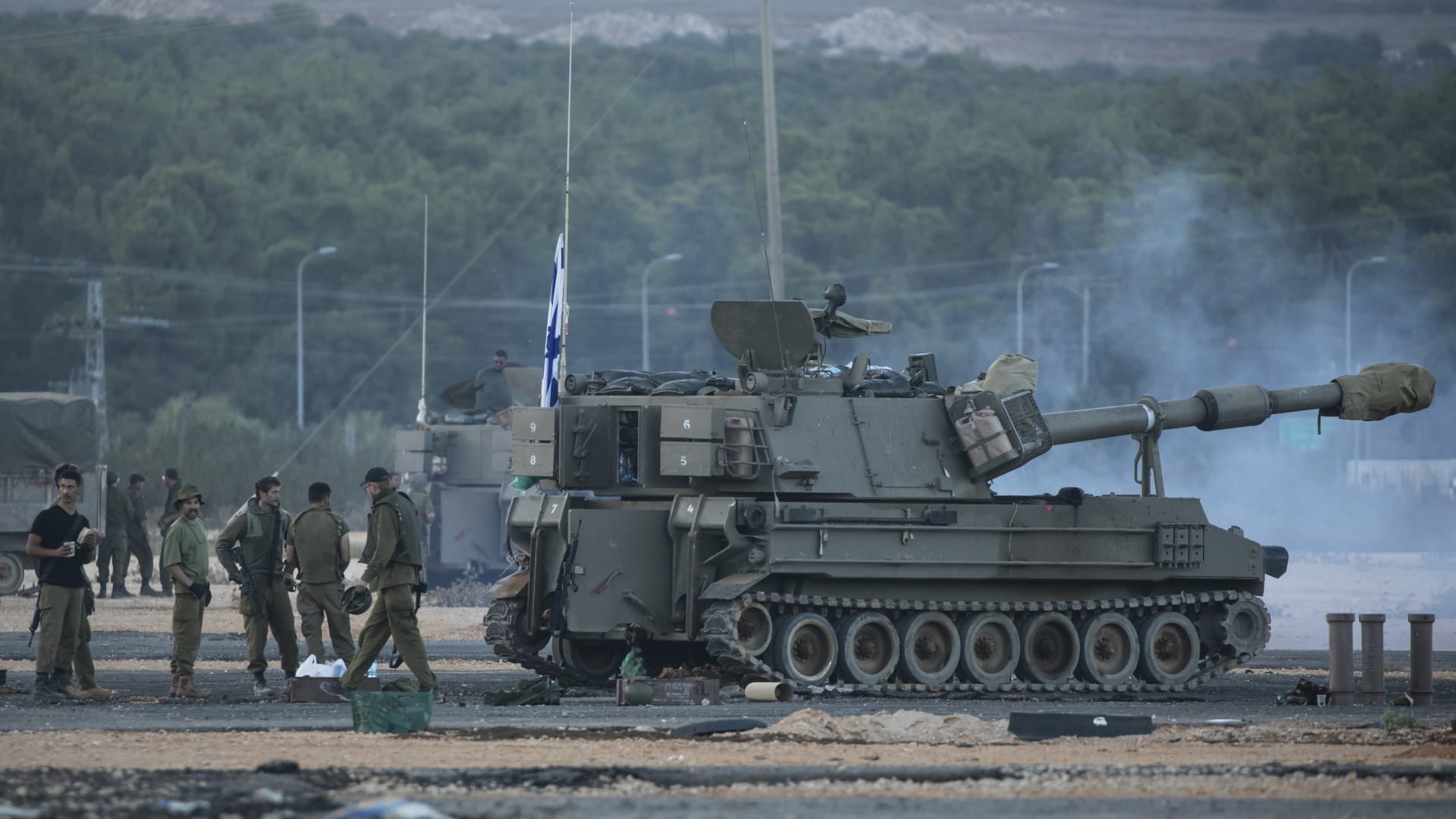
The Israeli army announced on Thursday the death of a soldier during an armed clash in southern Lebanon, where military operations have been ongoing since the beginning of the month. The soldier, identified as Sergeant Uri Greenberg, was 21 years old and belonged to the Golani Brigade.
In an official statement, the Israeli army reported that the clash occurred at 2:10 AM (24:10 GMT), when a patrol from the Golani Brigade engaged with armed militants in the area. This incident comes at a time when tensions along the Lebanese-Israeli border are escalating, with increasing clashes between Israeli forces and militants in the region.
Details of the Incident
Military operations in southern Lebanon have been ongoing since March 2, with the area witnessing an escalation in clashes between Israeli forces and militants. The Israeli army indicated that the clash that resulted in Greenberg's death is part of the ongoing military operations aimed at countering security threats.
The Golani Brigade is considered one of the elite units in the Israeli army, known for its participation in numerous military operations over the years. The death of Greenberg reflects the risks faced by Israeli soldiers in conflict zones and heightens tensions in the region.
Background & Context
Historically, the Lebanese-Israeli border has experienced ongoing tensions, especially following the 2006 war. Since then, the area has been subjected to repeated military operations by the Israeli army in an effort to curb militant activities deemed a threat to Israeli security.
In recent years, clashes between Israeli forces and armed groups in Lebanon have intensified, resulting in casualties among both soldiers and militants. This military escalation occurs within a broader context of political tensions in the region, including disputes over maritime borders and natural resources.
Impact & Consequences
The death of the Israeli soldier may lead to further escalation in military operations in southern Lebanon, with Israeli forces expected to respond more forcefully to any potential threats. This escalation could also affect the security situation in the region, increasing the risks of a wider conflict.
Moreover, this incident may increase pressure on the Israeli government to take more decisive actions against armed groups in Lebanon, which could reflect on Israel's domestic and foreign policies.
Regional Significance
The events in southern Lebanon are part of the broader picture of regional security in the Middle East. The rising clashes between Israeli forces and militants may impact relations between Arab states and Israel, exacerbating divisions in the region.
This escalation could also affect peace efforts in the area, as the international community seeks solutions to ongoing conflicts. The death of the Israeli soldier may provoke reactions from Arab countries, complicating the situation further.
In conclusion, the situation in southern Lebanon remains under close observation, with expectations that clashes and military operations will continue amid rising tensions between the two sides.