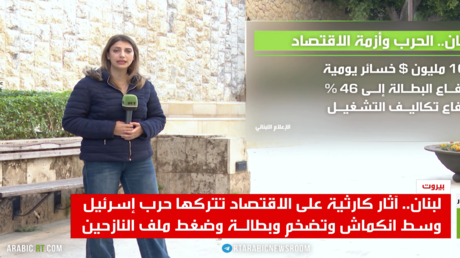
The Lebanese economy is facing a severe crisis due to the Israeli war, which has led to widespread destruction of infrastructure and the closure of many vital institutions. This catastrophic situation threatens the country's stability and increases the suffering of its citizens.
The recent Israeli war is considered one of the most impactful crises on Lebanon, causing destruction to roads, bridges, and public facilities. Many businesses and shops have closed their doors due to damage from the bombardment, resulting in the loss of thousands of jobs and a rise in unemployment rates.
Details of the Event
Reports indicate that the war has led to the destruction of approximately 40% of Lebanon's essential infrastructure, including schools and hospitals. The most affected areas include the southern suburbs of Beirut, which were a vital center for economic activity. These damages are not just numbers; they reflect a bitter reality that Lebanese people live through daily.
Additionally, the war has impacted key economic sectors such as tourism and trade, with visitor numbers plummeting significantly, leading to a deterioration in the financial situation of many companies. This decline in economic activity negatively affects government revenues, increasing pressure on the public budget.
Background & Context
Lebanon, which has already been suffering from a severe economic crisis for several years, now faces new challenges due to the war. Since 2019, Lebanon has experienced an unprecedented economic collapse, with the Lebanese pound losing more than 90% of its value. These conditions have made it difficult for citizens to secure their basic needs, exacerbating poverty and hunger in the country.
Historically, wars and conflicts have always been part of the Lebanese reality, with the country witnessing numerous armed conflicts that have affected its economic stability. With each new crisis, hope for peace and stability is renewed, but the reality is often more complicated.
Impact & Consequences
The repercussions of the Israeli war extend beyond Lebanon, affecting regional stability. The economic crisis in Lebanon could lead to an influx of more refugees into neighboring countries, increasing pressure on those nations. Furthermore, the deteriorating conditions may contribute to rising political and social tensions within Lebanon, threatening security and stability.
Moreover, the continuation of the war could exacerbate humanitarian crises, as many Lebanese suffer from severe shortages of food and medicine. This situation requires urgent intervention from the international community to help Lebanon overcome this crisis.
Regional Significance
The situation in Lebanon serves as an indicator of the challenges faced by many Arab countries amid ongoing conflicts. The economic and political crises in Lebanon could be a model for what might happen in other countries suffering from instability. Additionally, the Lebanese situation may impact relations between Arab states, necessitating cooperation to address these shared challenges.
In conclusion, the Israeli war on Lebanon places the Lebanese economy in a critical position, requiring a swift response from the government and the international community. The hope for rebuilding Lebanon demands joint efforts and international cooperation to achieve peace and stability.