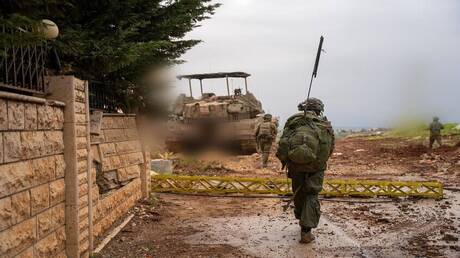
The Lebanese Ministry of Public Health reports that the Israeli war on Lebanon has resulted in the deaths of 1345 people and injuries to 4040 others since March 2, 2026. These figures reflect the devastating impact of the ongoing conflict, which has seen a notable escalation in hostilities over the past weeks.
The daily report issued by the Emergency Health Operations Center reflects the deteriorating humanitarian situation in Lebanon, where civilians are suffering from the consequences of the ongoing war. Israeli attacks continue to target residential areas and infrastructure, exacerbating the suffering of the civilian population.
Details of the Conflict
Reports indicate that Israeli shelling has targeted several areas in Lebanon, including the southern suburbs of Beirut and villages in southern Lebanon, leading to the destruction of homes and public facilities. There are also reports of thousands of families being displaced to safer areas, further increasing the pressure on available humanitarian resources.
The Lebanese Ministry of Health is working to provide medical support to the injured, but it faces significant challenges due to a shortage of medical resources and equipment. Officials have noted that hospitals are experiencing severe overcrowding, making it difficult to provide the necessary care for the wounded.
Background & Context
Historically, Lebanon has witnessed multiple conflicts with Israel, with the dispute dating back decades. With each escalation, the pain and suffering of the Lebanese people are renewed. Since 2006, Lebanon has experienced several rounds of fighting, but the current situation is considered one of the most severe in recent years.
The political and social dimensions of this conflict are intertwined, with regional and international powers playing a significant role in fueling the strife. Concerns are growing that this escalation could destabilize the entire region, especially given Lebanon's difficult economic conditions.
Impact & Consequences
The repercussions of the current war extend beyond Lebanon, affecting regional security and the economy. There is increasing worry that this war could lead to a larger escalation in the Arab-Israeli conflict, potentially dragging other countries into the cycle of violence.
The deteriorating humanitarian situation in Lebanon may also lead to an increased flow of refugees into neighboring countries, putting additional pressure on these nations. Humanitarian organizations have warned that the situation could become catastrophic if urgent actions are not taken to cease hostilities and provide humanitarian aid.
Regional Significance
The Israeli war on Lebanon is part of a broader conflict in the region, where tensions between regional powers are rising. The Arab world is watching the developments with concern, as any escalation could impact stability in countries like Syria and Palestine.
There are increasing calls from international and Arab organizations for a ceasefire and a return to the negotiating table. There is also an urgent need to provide humanitarian support to those affected by the conflict, as the current situation requires a concerted international effort to end the humanitarian suffering.
In conclusion, the situation in Lebanon remains alarming, with rising numbers of casualties and injuries, necessitating urgent action from the international community to end the conflict and provide necessary assistance to those affected.