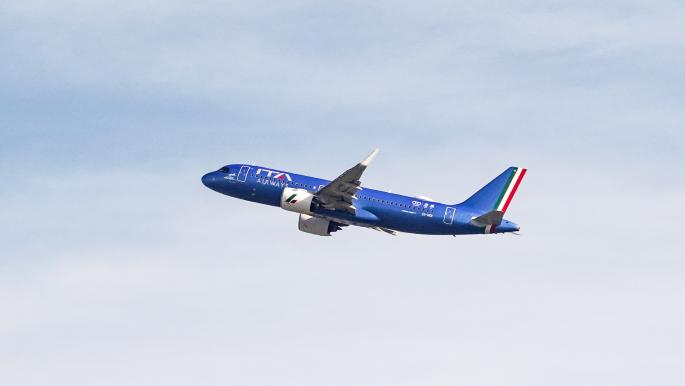
The ongoing regional crises have inflicted severe losses on Italian tourism, estimated at €100 million. These losses are a direct result of the rapid events occurring in the region, which significantly affect tourism and aviation, two of the most sensitive economic activities.
Reports indicate that Italian tourism, which heavily relies on international visitors, is facing unprecedented challenges due to ongoing crises. Experts have pointed out that these losses could have a broader impact on the Italian economy, necessitating urgent measures to mitigate their effects.
Details of the Event
Data shows that Italian tourism has experienced a noticeable decline in visitor numbers, leading to a significant drop in revenues. Statistics reveal that many popular tourist destinations in Italy, such as Rome and Florence, have been particularly affected, with a substantial decrease in tourist arrivals.
Concerns are growing that the continuation of regional crises may exacerbate the situation, making it increasingly difficult for the tourism sector to recover. Airlines are also facing major challenges due to reduced demand for flights, which increases financial pressures on them.
Background & Context
Historically, tourism has been a crucial element of the Italian economy, contributing significantly to the gross domestic product. However, political and economic crises in the region have negatively impacted this vital sector. Italy has faced numerous crises in recent years, ranging from the refugee crisis to political tensions.
These crises require a swift response from the Italian government and stakeholders, as efforts must be made to boost tourism through new strategies to attract visitors. Enhancing security and stability in the region is also essential to restore confidence in the tourism sector.
Impact & Consequences
The repercussions of the crisis extend beyond Italy, affecting tourism in many neighboring countries. As crises escalate, tourists are hesitant to visit the region, resulting in decreased revenues for numerous countries that rely on tourism as a primary source of income.
Forecasts suggest that the continuation of these crises could worsen the economic situation in the region, making it imperative to take urgent actions to alleviate their impacts. Furthermore, the effects of these crises may extend to other sectors, such as trade and investment, complicating the situation further.
Regional Significance
The Arab region is directly affected by the crises in the area, with many countries experiencing a decline in tourism activity. As crises increase, tourists are reluctant to visit Arab countries, leading to a drop in tourism revenues.
Enhancing tourism in the Arab region is crucial for boosting the economy and achieving sustainable development. Therefore, Arab countries must work to improve security conditions and enhance stability to attract tourists.
In conclusion, the current situation requires a swift and effective response from all stakeholders, as tourism represents a lifeline for many economies in the region. There must be cooperation among countries to promote tourism and achieve stability in the area.