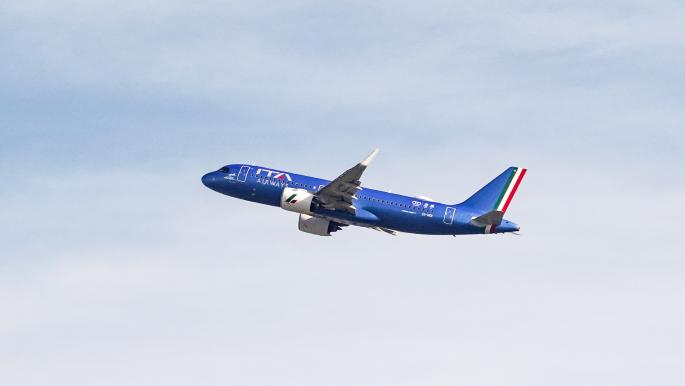
Italy has announced restrictions on aircraft fuel supply at several airports due to the ongoing global energy crisis. This decision comes as the conflict in the region continues to escalate, impacting vital sectors.
The Italian government is striving to address the acute shortage of energy supplies, which has directly affected aviation operations. Officials have indicated that these restrictions aim to ensure the sustainability of available supplies, as demand for fuel rises with increasing flight activity.
Details of the Restrictions
The Italian authorities have introduced new restrictions on aircraft fuel supply at several major airports, including Rome and Milan. These measures are part of the government's efforts to mitigate the impact of supply shortages on the aviation sector. Experts have noted that this step may lead to flight delays and increased operational costs.
The new restrictions involve setting limits on the amount of fuel that can be supplied to aircraft, raising concerns among airlines that rely on continuous fuel supplies to meet their needs. Some companies have expressed dissatisfaction with these measures, indicating that they could negatively affect daily operations.
Background & Context
These restrictions come at a time when many countries are grappling with a severe energy crisis due to ongoing conflicts in certain regions. These conflicts have led to rising fuel prices and declining supplies, affecting various economic sectors.
Historically, Europe has faced numerous energy crises, but the current situation is considered one of the most impactful, involving multiple factors including geopolitical and economic elements. These crises have affected countries' abilities to meet their energy needs, prompting them to adopt stringent measures.
Impact & Consequences
Reports anticipate that the restrictions on aircraft fuel will lead to increased travel costs, potentially impacting tourism and travel in Italy. The effects may extend to airlines, which may have to adjust their flight schedules or reduce the number of flights.
Moreover, these restrictions could have broader implications for the Italian economy, as the tourism sector heavily relies on air travel. If these restrictions persist for an extended period, Italy may face greater economic challenges.
Regional Significance
The Arab region is also affected by the repercussions of the global energy crisis, as many countries depend on stable energy supplies. Disruptions in fuel supplies could lead to price increases in Arab markets, impacting local economies.
Additionally, the effects may include changes in air travel between Arab countries and Europe, with rising travel costs potentially reducing the number of flights. Under these circumstances, it becomes essential for Arab nations to adopt effective strategies to address these crises.
In conclusion, the energy crisis stands out as one of the major challenges facing the world today, with increasing effects on various sectors. The current situation necessitates international coordination to mitigate the impacts of this crisis and ensure the sustainability of supplies.