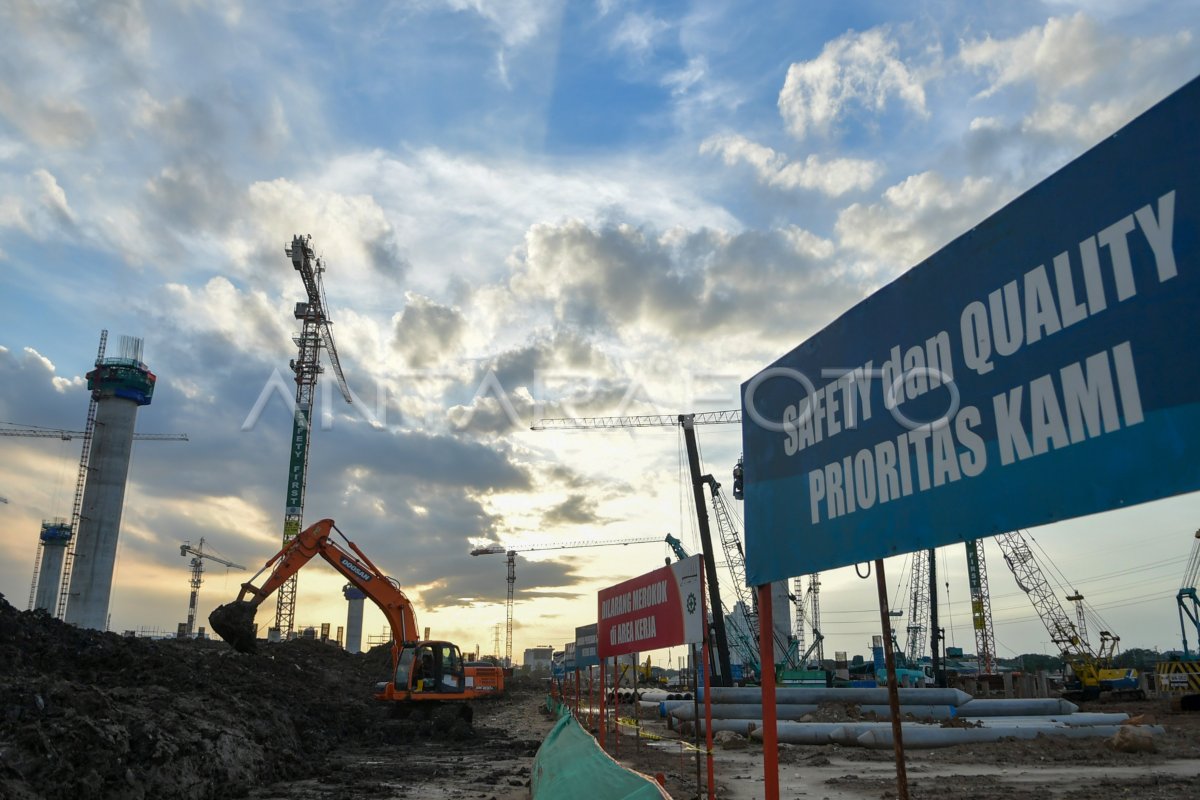
In a move aimed at enhancing sustainable development in the Indonesian capital, the Governor of Central Jakarta, Arifin, announced the selection of seven key development programs from a total of 890 proposals presented during the recent Musyawarah Perencanaan Pembangunan (Musrenbang) meeting. This meeting, considered a vital platform for sharing ideas and proposals from citizens, aims to achieve the aspirations of the local community by 2027.
In his statements, Arifin confirmed that the meeting saw active participation from residents of eight neighborhoods in Central Jakarta, where 1,222 proposals were submitted, of which 890 were accepted to be part of the development plan for the upcoming year. He explained that the remaining proposals, totaling 332, will be implemented in 2026.
Details of the Event
The seven programs identified as developmental priorities in Central Jakarta include projects aimed at improving infrastructure and essential services. Among these projects are the rehabilitation of the Tanah Abang market area and Baru market, as well as the enhancement of Kebon Kakang Street and Sabang Street. Additionally, a project for the relocation of a government hospital in the Johar Baru area has been included.
Furthermore, significant social issues such as poverty alleviation and reducing the rate of malnutrition have been emphasized, alongside rehabilitating schools and expanding access to free education. Arifin hopes that these programs will contribute to improving the quality of life for citizens and enhancing economic and social development in the city.
Background & Context
Jakarta is considered one of the largest capitals in the world, facing significant challenges related to rapid population growth, traffic congestion, and deteriorating infrastructure. Historically, the city has witnessed numerous development initiatives; however, the need for sustainable and effective programs has become increasingly urgent in recent years. The recent meeting is part of local government efforts to meet citizens' needs and improve the level of public services.
In past years, there have been several initiatives aimed at improving the economic and social situation in Jakarta, but challenges remain. It is crucial for the government to continue listening to citizens' needs and developing effective strategies to achieve sustainable development.
Impact & Consequences
This step taken by the Central Jakarta administration is a positive move towards achieving sustainable development, reflecting the government's response to citizens' needs. By setting clear priorities, the government can focus its resources on the most impactful projects, contributing to improving the quality of life in the city.
Moreover, the implementation of these programs may help create new job opportunities and boost the local economy. Improving infrastructure and social services can also attract investments and enhance Jakarta's position as an economic hub in the region.
Regional Significance
Jakarta's experience in planning and development serves as a model that many Arab countries facing similar challenges can benefit from. Focusing on community participation in developmental decision-making can enhance the effectiveness of government programs and increase citizens' trust in their institutions.
Amid the economic and social challenges faced by many Arab countries, this experience can be an inspiration for developing effective developmental strategies that focus on the needs of local communities and promote sustainable development.