Jakarta, the capital of Indonesia, has announced that it is now the most densely populated city in the country, with a population density of 16,129 people per square kilometer. This rapid population growth raises concerns among authorities regarding urban planning and infrastructure. Located on the island of Java, Jakarta is a significant economic and cultural hub in Indonesia.
Recent aerial images reveal a striking scene where high-rise residential buildings coexist with informal settlements, reflecting the substantial challenges the city faces in housing. The pressure on public facilities and essential services is increasing, necessitating urgent government intervention.
Event Details
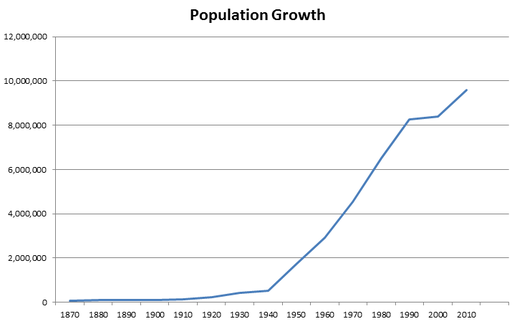
Statistics indicate that Jakarta's population has seen a notable increase in recent years, surpassing other Indonesian cities in terms of population density. This situation requires new strategies for urban planning, as the government must devise innovative solutions to tackle these challenges.
Jakarta serves as a vital center for trade and industry, attracting many migrants from various parts of Indonesia. However, this rapid influx negatively impacts the quality of life in the city, where residents face issues such as traffic congestion and air pollution.
Background & Context
Historically, Jakarta has experienced waves of internal migration for decades, with many people moving from rural areas to urban centers in search of better job opportunities. This shift has led to a significant increase in population, causing the city to confront challenges in providing housing and essential services.
In recent years, the Indonesian government has launched several projects aimed at improving Jakarta's infrastructure, including the development of public transportation and the expansion of road networks. However, these efforts remain insufficient to address the growing challenges.
Impact & Consequences
The high population density in Jakarta exacerbates many social and environmental issues. These conditions are expected to increase tensions among residents, potentially affecting social stability in the city. Additionally, the deterioration of the urban environment may lead to the spread of diseases and rising crime rates.
The Indonesian government is seeking sustainable solutions to these issues by enhancing cooperation between the public and private sectors. These solutions include improving urban planning and increasing investments in environmental projects.
Regional Significance
Jakarta's experience in addressing population challenges serves as an important lesson for Arab cities facing similar issues. As the population grows in many Arab capitals, Arab governments must learn from the experiences of other countries in managing population growth.
The initiatives adopted by Jakarta can inspire Arab cities to develop effective urban planning strategies, helping to improve the quality of life for citizens.