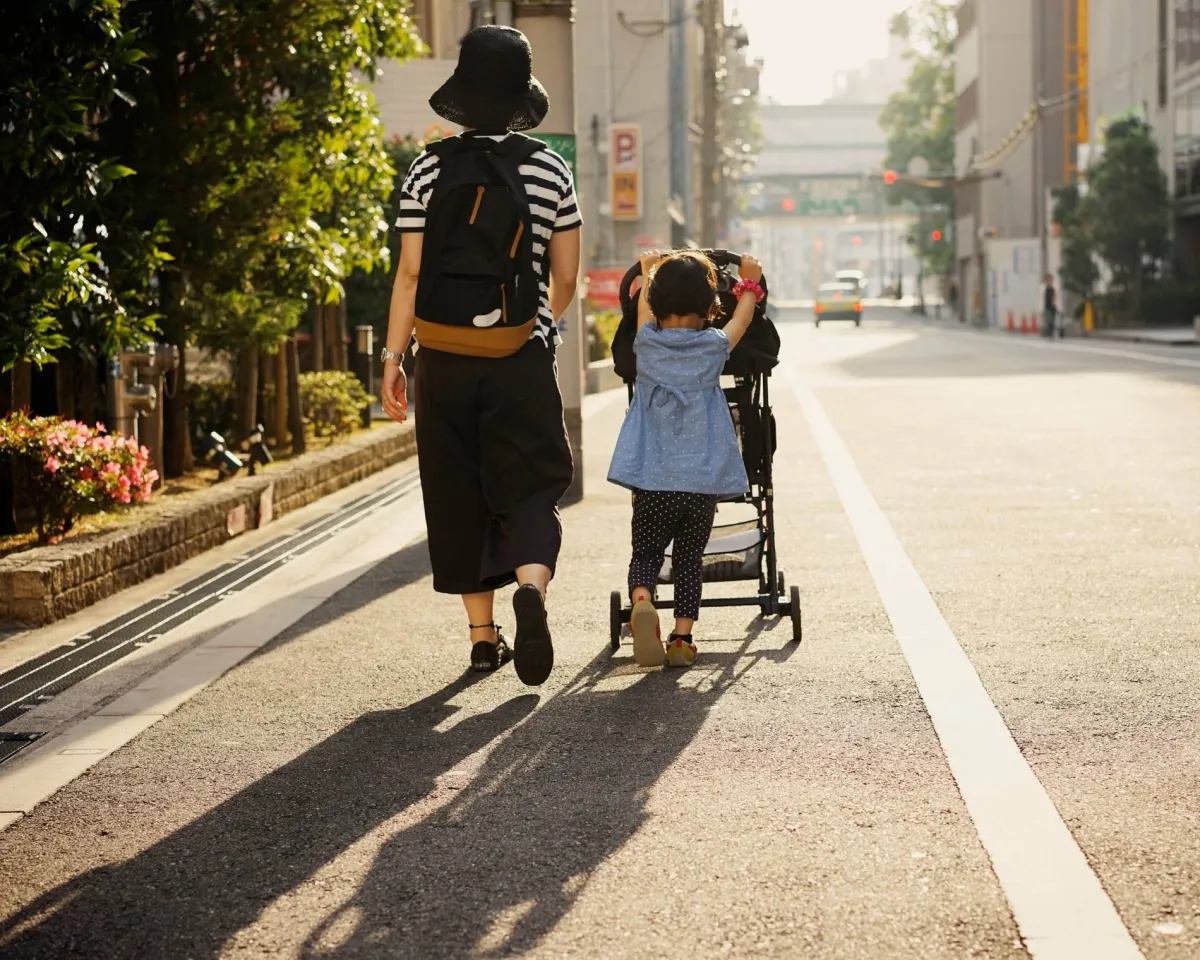
The Japanese parliament has approved a legal amendment allowing divorced couples to negotiate shared custody of their children, marking a historic change after over 100 years. This reform responds to societal pressures highlighting the negative impacts of sole custody on children.
Previously, Japanese civil law required couples to designate only one party to take custody of the children upon divorce. This led to psychological issues for children, as the "deprived" party was unfairly punished, prompting critics to call for legal reforms. These pressures culminated in a parliamentary vote in 2024 to amend the law.
Details of the Amendment
Under the new amendment, parents will be able to determine whether custody will be shared or sole. In cases where custody has been granted to one party, parents can apply to the family court to change the agreement. This amendment encourages parents to respect each other’s positions and cooperate for the "best interests of their child."
With this change, Japan, the only member of the G7 that did not legally recognize shared custody, joins the majority of other countries that adopt cooperative parenting after divorce. Supporters of this amendment argue that the previous system prevented the non-custodial parent from participating in important decisions regarding their children, such as school choice and residence.
Background & Context
It is noted that approximately 200,000 children in Japan are affected by divorce cases annually, double the number recorded 50 years ago. A government survey conducted in 2021 revealed that one in three children of divorced parents lost all contact with the non-custodial parent. This situation has driven many families to demand legal changes that ensure the rights of all parties and mitigate the psychological harm that children may experience.
Despite this, the new amendment faces some criticism. Critics argue that shared custody arrangements may allow the "abusive" party to exploit broader powers to continue harming their former partner or child. Others have pointed out that the amendment places excessive authority in the hands of family courts, which will have to adjudicate custody arrangements when parents fail to reach an agreement.
Impact & Consequences
This amendment could radically change how custody issues are handled in Japan, potentially improving family relationships post-divorce. However, there are concerns that some parents may exploit this new system for unsound purposes. The Japanese government must establish effective mechanisms to ensure the protection of children and prevent their exploitation in parental conflicts.
Moreover, this amendment could contribute to changing societal perceptions regarding divorce and custody issues, leading to increased support for divorced families in Japan. At the same time, it requires greater community awareness on how to address these issues humanely.
Regional Significance
Custody and divorce issues are sensitive topics in many Arab countries, where families face challenges similar to those encountered by families in Japan. The Japanese amendment may serve as a model for some Arab nations seeking to improve family laws and enhance children's rights. Additionally, the discussion around shared custody may open the door for further dialogue on parental and children's rights in Arab communities.
In conclusion, this amendment represents a positive step towards improving children's and families' rights in Japan, reflecting a shift in social values regarding custody issues after divorce.