Japan has announced its decision to break emission limits by increasing its reliance on coal and oil reserves to tackle the energy crisis. This decision comes as the country faces significant challenges in securing energy sources, especially following geopolitical tensions that have impacted gas and oil supplies.
The Japanese government aims to enhance its energy security amid global crises, as pressure mounts on the government to provide sustainable energy alternatives. However, the return to coal, which is considered one of the most polluting energy sources, has sparked widespread criticism from environmental activists and the international community.
Details of the Decision
In an unexpected move, the Japanese government confirmed that it would restart halted coal power plants, in addition to utilizing oil reserves to bolster energy supplies. This decision comes after the country faced a severe shortage of natural gas, affecting its ability to generate electricity. Officials have indicated that this step aims to ensure stable energy supplies during the harsh winter season.
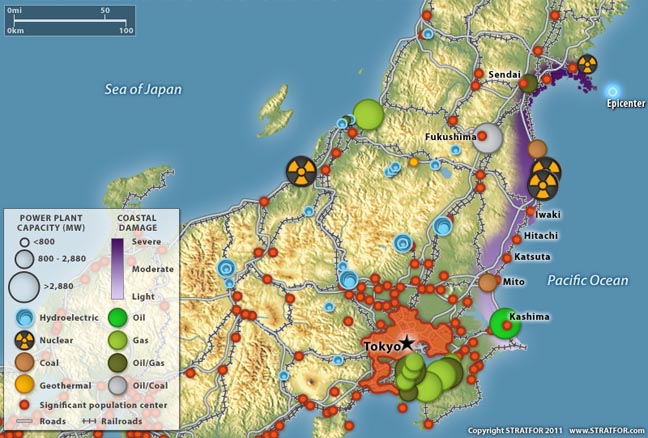
Japan is one of the largest energy consumers in the world and has heavily relied on imported natural gas since shutting down nuclear power plants following the Fukushima incident in 2011. However, the increasing reliance on coal and oil reserves may hinder the country's efforts to achieve its climate goals.
Context and Background
Historically, Japan has sought to reduce its dependence on coal and oil, having laid out ambitious plans to transition to renewable energy sources. However, global crises, including the war in Ukraine, have led to rising energy prices and increased demand for fossil fuels.
Japan also faces internal challenges, with the economy experiencing slow growth, which increases pressure on the government to provide affordable energy. These circumstances have prompted a reevaluation of energy strategies, leading the government to decide to return to coal.
Implications and Effects
This decision is expected to have significant environmental impacts, as the increased reliance on coal will lead to higher carbon emissions, contradicting Japan's commitments to the Paris Climate Agreement. Additionally, this decision may provoke criticism from other countries that are striving to reduce greenhouse gas emissions.
Furthermore, this decision could affect Japan's international relations, as it may face pressure from Western nations advocating for clean energy sources. This shift may also impact Japan's investments in renewable energy, hindering its efforts to achieve sustainable development goals.
Impact on the Arab Region
Japan's decision to return to coal and oil has implications for the Arab region, where many Arab countries rely on oil and gas exports. This decision may lead to increased demand for Arab oil, which could positively reflect on the economies of these countries.
However, the increased reliance on fossil fuels may negatively affect the efforts of Arab nations to transition to renewable energy, as many of these countries seek to diversify their energy sources and reduce dependence on oil.
In conclusion, Japan's decision to revert to coal and oil marks a significant shift in energy strategies, raising questions about the future of energy globally and its impact on international efforts to combat climate change.