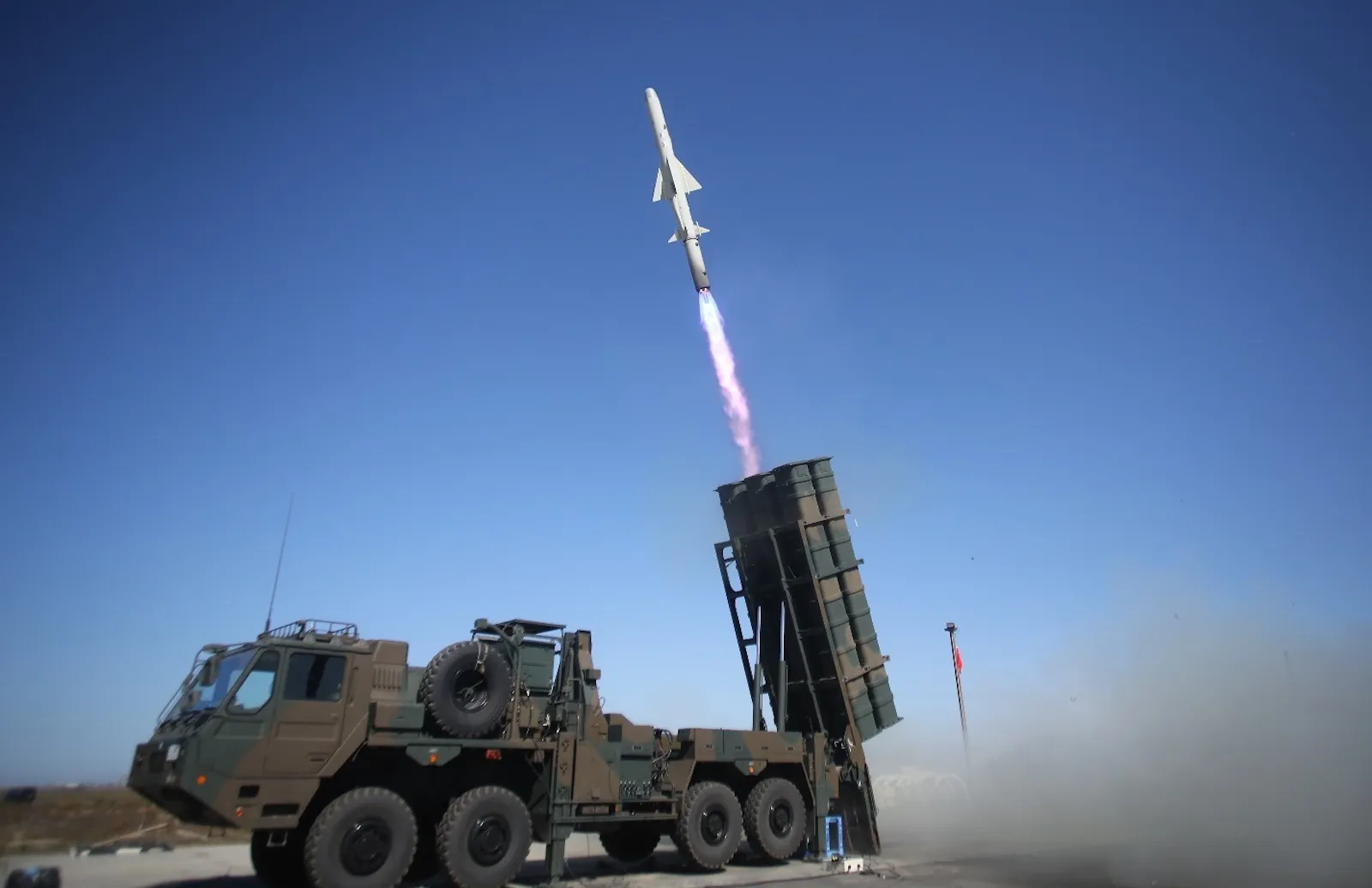
In a historic move, Japan has deployed long-range cruise missiles at a military base in Kumamoto Prefecture, located in the southwestern part of the country. This action represents a significant shift in Japan's defense policy, which has adhered to a pacifist constitution since the end of World War II.
This deployment comes at a time when the world is witnessing rising military tensions, particularly with China, which has been causing increasing concern in the region. The deployment of these missiles serves to expand Japan's ability to respond to any potential threats, reflecting its desire to bolster its national security.
Details of the Deployment
The missiles that have been deployed are of the cruise type, known for their high precision and ability to strike distant targets. This type of weaponry signifies Japan's shift towards enhancing its military capabilities, marking the first deployment of its kind in the country's history. According to official data, these missiles have been deployed as part of a comprehensive plan to strengthen Japan's defenses in the face of regional threats.
This move is part of a broader strategy aimed at enhancing military cooperation with allies, particularly the United States, amid increasing tensions with China and North Korea. Additionally, this deployment comes at a time when Chinese military activities are escalating in the East China Sea, raising concerns for Japan and neighboring countries.
Background & Context
Since the end of World War II, Japan has maintained a pacifist defense policy, with its constitution prohibiting the possession of offensive military forces. However, Japan has recently begun to reassess this policy in light of geopolitical changes in the region. In recent years, Japan has seen an increase in its defense budget and the development of its military capabilities, including cooperation with the United States and other allies.
The growing concerns over military threats in the region, particularly as China expands its military activities and increases its presence in territorial waters, have prompted Japan to consider bolstering its defense capabilities, leading to the deployment of these missiles as part of its new strategy.
Impact & Consequences
This deployment has significant implications for regional security. It is expected to provoke reactions from China and North Korea, who may view this deployment as a threat to their security. Furthermore, this shift in Japan's defense policy could lead to an arms race in the region, as other countries may seek to enhance their military capabilities to address new challenges.
Moreover, this move may affect Japan's relations with neighboring countries, as it could be perceived as an escalatory step amid regional tensions. It is crucial for other nations in the region to closely monitor these developments, as they may impact the balance of power in East Asia.
Regional Significance
Although events in Japan may seem distant from the Arab region, they have indirect implications. The escalation of military tensions in any part of the world can affect regional and global stability, potentially impacting oil prices and financial markets. Additionally, military cooperation among major powers can reflect on security policies in the Arab region.
In light of these developments, Arab countries should be aware of geopolitical changes and reassess their security and military strategies, especially amid rising tensions in other parts of the world.